Introduction
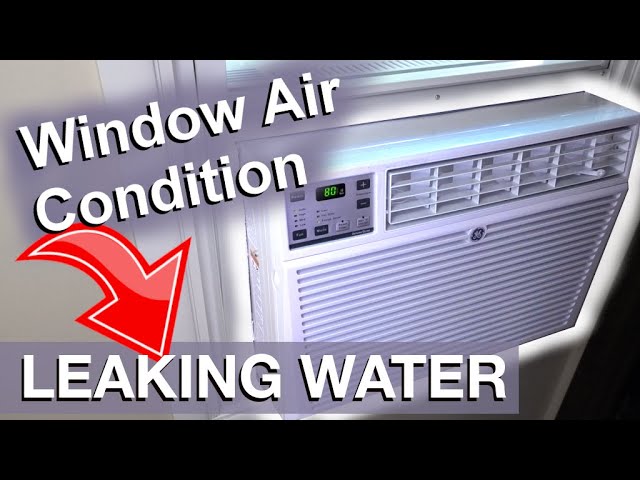
Finding water inside or dripping from your window air conditioner unit can be concerning. It’s a common problem, especially during periods of high humidity or heavy rain. While some condensation is normal, excessive water can indicate a malfunction, leading to reduced cooling efficiency, potential water damage to your home, and even electrical hazards. Addressing this issue promptly is crucial to prevent further damage and maintain a comfortable living environment.
Common Causes of Window Unit Has Water In It
Several factors can contribute to water accumulating in your window AC unit:
- High Humidity: Extremely humid air causes more condensation to form on the cooling coils.
- Improper Installation Angle: The unit needs a slight downward tilt to drain properly. If it’s level or tilted inwards, water will collect inside.
- Clogged Drain Hole: The drain hole allows condensation to escape. Debris and dirt can block it.
- Dirty Air Filter: A clogged filter restricts airflow, causing the cooling coils to freeze and then melt, leading to excess water.
- Damaged or Missing Seal: Gaps around the unit allow rainwater to enter.
- Frozen Evaporator Coils: Lack of airflow or a refrigerant leak can cause the coils to freeze, then melt and overflow.
- Faulty Fan Motor: A weak fan doesn’t circulate air effectively, leading to coil freezing and excessive condensation.
- Refrigerant Leak: Low refrigerant levels reduce cooling efficiency and can lead to ice formation on the coils.
- Damaged Condensate Pan: If the pan that collects water is cracked or broken, water will leak.
Symptoms Checklist
Use this checklist to accurately identify the issue:
- Water dripping inside the room below the unit.
- Water pooling around the base of the unit, either inside or outside.
- Unusual noises coming from the unit (gurgling, sloshing).
- Reduced cooling performance compared to usual.
- Ice formation visible on the cooling fins inside the unit.
- Musty or moldy odor coming from the unit.
- The unit is not angled slightly downwards towards the outside.
How to Fix Window Unit Has Water In It Step-by-Step Guide
Follow these steps to troubleshoot and fix the issue:
- Safety First: Unplug the AC unit from the power outlet before beginning any inspection or repairs.
- Inspect the Installation Angle: Ensure the unit is slightly tilted downwards towards the outside. Use a level to check. Adjust the mounting brackets or supports as needed.
- Check and Clean the Drain Hole: Locate the drain hole (usually at the back or bottom of the unit). Use a wire hanger, pipe cleaner, or small screwdriver to gently clear any blockage.
- Clean the Air Filter: Remove the air filter (usually at the front of the unit) and wash it with mild soap and water. Let it dry completely before reinstalling. Replace the filter if it’s heavily soiled or damaged.
- Inspect the Seals and Weather Stripping: Check for gaps around the unit where it meets the window frame. Apply new weather stripping or caulk to seal any leaks.
- Visually Inspect the Coils: Look for ice buildup on the evaporator coils (inside the unit). If you see ice, turn off the unit and allow it to thaw completely before proceeding.
- Check the Fan: With the unit unplugged, ensure the fan blades spin freely. If they are obstructed or stiff, clean any debris.
- Clean the Condensate Pan: If accessible, carefully remove the condensate pan and clean out any accumulated debris, algae, or mold.
- Restart the Unit: After cleaning and inspecting, plug the unit back in and turn it on. Observe its performance for at least 30 minutes.
- Monitor Water Drainage: Check the outside of the unit for proper water drainage. A steady drip is normal; a pool of water indicates a continued problem.
- Check for Air Leaks Around the Unit: Feel around the edges of the unit while it’s running for drafts. Seal any gaps with weather stripping or caulk.
- Consider the Room Temperature: If the room is very humid, consider using a dehumidifier in conjunction with the AC to reduce the workload on the unit.
Fix the Issue Without Buying Parts
Many times, you can resolve the water issue without buying new parts:
- Reset the Unit: Unplug the AC for 15-20 minutes to reset its internal thermostat and controls.
- Thorough Cleaning: Regular cleaning of the filter, coils, and drain can prevent future problems.
- Recalibrate Installation Angle: Even a slight adjustment to the angle can significantly improve drainage.
- Regular Inspection: Periodically check for blockages, leaks, and debris build-up to catch issues early.
- Proper Usage: Avoid setting the thermostat too low, as this can increase the risk of coil freezing.
When Replacement Might Be Necessary
If the problem persists after trying these steps, replacement may be necessary. Common parts that fail and contribute to water issues include:
- Fan Motor: If the fan is consistently weak or non-functional, replacement is usually required.
- Refrigerant Leak: While a professional might be able to repair a small leak, the cost often approaches the price of a new unit.
- Compressor Failure: This is a major component, and replacement is generally not cost-effective.
- Damaged Condensate Pan: If the pan is severely cracked or broken and irreplaceable, a new unit might be best.
A new window AC unit typically costs between $150 and $500 USD, depending on the size and features.
Safety Warning
- Always unplug the unit before performing any maintenance or repairs.
- Avoid touching electrical components with wet hands.
- Be careful when working near windows and heights.
- Do not use flammable cleaners or solvents.
- If you are uncomfortable with any of these steps, consult a qualified HVAC technician.
Tools You May Need
- Screwdriver (Phillips and flathead)
- Adjustable wrench
- Level
- Wire hanger or pipe cleaner
- Vacuum cleaner with brush attachment
- Mild soap and water
- Weather stripping or caulk
FAQ
Here are some frequently asked questions:
- Q: Why is my AC dripping water inside even though it’s brand new? A: Check the installation angle. New units are often installed incorrectly.
- Q: How often should I clean my AC filter? A: At least once a month, or more often if you have pets or allergies.
- Q: Is it normal for my AC to drip water outside? A: Yes, some condensation is normal, especially in humid conditions.
- Q: Can I use a garden hose to clean the coils? A: No, this can damage the coils. Use a vacuum cleaner with a brush attachment.
- Q: My AC is making a loud gurgling noise. What does that mean? A: This often indicates a clogged drain hole.
Conclusion
Don’t panic if you find water in or around your window AC unit! By following these steps, you can often diagnose and fix the problem yourself, saving time and money. Remember to prioritize safety and take your time. If you’ve exhausted these troubleshooting steps and the issue persists, it might be time to call a qualified HVAC technician. But with a little effort, you can often keep your AC running smoothly and comfortably for years to come.
Youtube Video:
Looking for more useful options?
Check out recommended resources that others find helpful.