Introduction
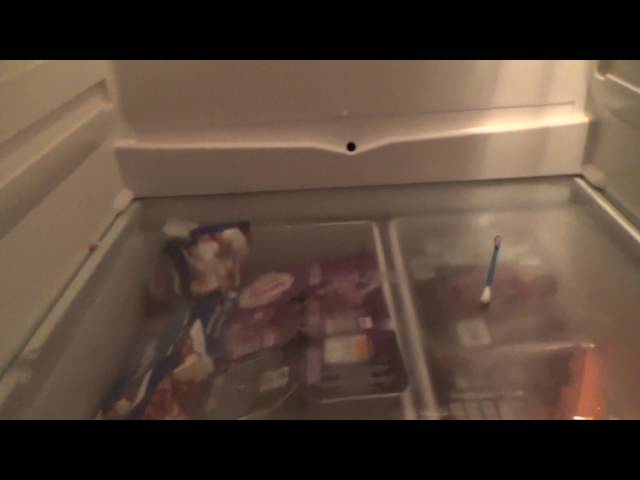
Finding water pooling at the bottom of your fridge is never a welcome sight. Not only is it annoying to clean up, but it can also potentially damage your floor and even lead to mold growth. Identifying the cause of the leak promptly is crucial. This is a common problem, especially after loading up the fridge with groceries or during periods of high humidity. While it might seem urgent, take a deep breath. Many times, the issue has a simple solution you can tackle without needing a repair technician.
Common Causes of my fridge has water in the bottom
Here are some of the most frequent culprits behind water accumulation in your refrigerator:
- Clogged Defrost Drain: This is the most common reason. The defrost drain allows water from the automatic defrost cycle to drain away. If blocked, water backs up and overflows inside the fridge.
- Frozen or Iced-Up Defrost Drain: Similar to being clogged, but with ice. Ice can form and block the drain during defrost cycles.
- Faulty Defrost System: If the defrost system isn’t working correctly, ice can build up excessively and eventually melt, leading to a water leak.
- Leaky Water Filter Housing: If your fridge has a water dispenser or ice maker, a cracked or loose water filter housing can leak.
- Loose Water Line Connection: Similar to filter housing, any loose connections of water lines to the ice maker or water dispenser can drip.
- Door Seal Issues: A worn or damaged door seal lets warm, humid air enter the fridge, which condenses into water.
- Overfilling the Fridge: Overpacking the fridge can block vents and prevent proper airflow, leading to condensation.
- Improper Leveling: If the refrigerator isn’t level, condensation might pool in certain areas instead of draining properly.
Symptoms Checklist
Check if any of these apply to help pinpoint the cause:
- Puddle of water at the bottom of the fridge compartment.
- Ice buildup on the back wall of the freezer.
- Freezing or ice formation near the bottom of the fridge.
- Water dripping from the ceiling of the fridge.
- The fridge runs constantly.
- Unusual noises coming from the refrigerator.
- Water filter replacement reminder is constantly on even after changing the filter.
How to Fix my fridge has water in the bottom Step-by-Step Guide
- Unplug the Fridge: Before starting any work, unplug the refrigerator from the power outlet for safety.
- Locate the Defrost Drain: This is usually found on the back wall inside the freezer compartment, often behind a panel.
- Melt any Ice Buildup: If you see ice blocking the drain, use a hairdryer (on a low setting) to gently melt it. Do not use sharp objects.
- Clear the Defrost Drain: Use a long, flexible object like a pipe cleaner, a turkey baster, or a small, flexible brush to clear the drain. You can also use a syringe to flush warm water down the drain.
- Check the Drain Pan: Locate the drain pan at the bottom or back of the fridge (usually accessible from the back). It collects the water from the defrost drain.
- Empty and Clean the Drain Pan: Carefully remove the drain pan, empty any water, and clean it with soap and water to prevent mold and odors.
- Inspect the Door Seals: Check the rubber seals around the fridge and freezer doors for damage, tears, or debris.
- Clean the Door Seals: Clean the seals with a damp cloth and mild detergent to remove any dirt or grime that might be preventing a tight seal.
- Level the Refrigerator: Use a level to ensure the refrigerator is sitting level. Adjust the leveling feet (usually located at the bottom corners) as needed.
- Check Water Lines and Filter Housing: If your fridge has a water dispenser or ice maker, inspect the water lines and filter housing for leaks.
- Tighten Connections: If you find any loose connections, carefully tighten them.
- Replace Water Filter: If the water filter is old, replace it with a new one. Make sure you purchase a compatible filter.
- Rearrange Items Inside: Ensure that items are not blocking vents or airflow.
- Plug the Fridge Back In: Once you’ve completed these steps, plug the refrigerator back into the power outlet.
- Monitor the Fridge: Keep an eye on the fridge for the next few days to see if the water problem has been resolved.
Fix the Issue Without Buying Parts
Many times, you can resolve the water issue without buying any new parts:
- Reset the Fridge: Unplugging the fridge for 5-10 minutes can sometimes reset the defrost system and resolve the issue.
- Thorough Cleaning: Clean the interior of the fridge regularly to prevent build-up and ensure proper airflow.
- Temperature Adjustment: Make sure the fridge and freezer are set to the correct temperatures (typically around 37F for the fridge and 0F for the freezer).
- Regular Inspection: Check the drain pan and door seals periodically to catch any problems early.
- Maintenance Basics: Keeping the condenser coils clean will improve efficiency and reduce the strain on the cooling system. These are usually located at the back of the refrigerator and can be cleaned with a vacuum cleaner attachment.
When Replacement Might Be Necessary
If the water problem persists after trying these solutions, it might indicate a more serious issue that requires professional help or part replacement. For example, a failing defrost heater might cost $50-$100, plus labor. A faulty defrost timer could be similar in price. If the compressor fails, the entire refrigerator may need replacing, costing anywhere from $500 to $2000, depending on the model. Common failing parts include:
- Defrost Heater
- Defrost Timer
- Water Filter Housing
- Water Inlet Valve
- Compressor (in extreme cases)
Safety Warning
- Always unplug the refrigerator before performing any maintenance or repairs.
- Be careful when handling water near electrical components.
- Avoid using sharp objects to clear the defrost drain, as you could damage the drain tube.
- If you’re not comfortable performing any of these steps, contact a qualified appliance repair technician.
Tools You May Need
- Screwdrivers (Phillips and flathead)
- Pipe cleaner or flexible brush
- Turkey baster or syringe
- Hair dryer (optional)
- Level
- Wrench (for tightening water line connections)
- Vacuum cleaner with attachment
FAQ
Here are some frequently asked questions about water in the bottom of your fridge:
-
Q: How often should I clean the defrost drain?
A: It’s a good idea to clean the defrost drain every 6 months or so, or more frequently if you notice water accumulating. -
Q: Can a dirty condenser cause water to leak inside?
A: Yes, a dirty condenser can cause the fridge to work harder, leading to more condensation. -
Q: My fridge is new. Why is there water at the bottom?
A: Even new fridges can have a clogged defrost drain. Check for obstructions or improper leveling. -
Q: How do I know if my door seals are bad?
A: You can test the seal by placing a dollar bill between the door and the frame. If you can easily pull the bill out, the seal is likely compromised.
Conclusion
Finding water in your refrigerator can be frustrating, but by following these steps, you can often identify and fix the problem yourself. Remember to prioritize safety and take your time. Before calling a technician, try these troubleshooting tips. You might be surprised at how much you can accomplish on your own!
Youtube Video:
Looking for more useful options?
Check out recommended resources that others find helpful.