Introduction
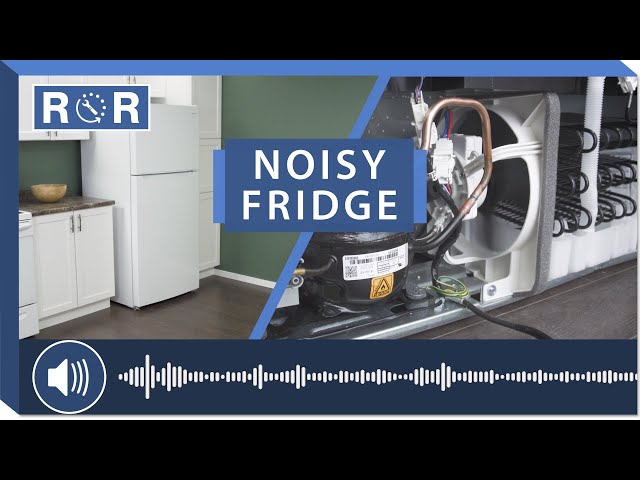
Is your refrigerator sounding like a disgruntled bear? A noisy refrigerator compressor is a common issue that can range from a minor annoyance to a sign of a more significant problem. The compressor is the heart of your refrigerator, responsible for circulating refrigerant and keeping your food cold. When it starts making unusual noises, it’s a signal that something isn’t quite right. Ignoring these noises can lead to decreased cooling performance, spoiled food, and eventually, a complete compressor failure. That’s why it’s important to address the issue promptly. This guide will walk you through common causes and provide step-by-step instructions to troubleshoot the problem yourself.
Common Causes of refrigerator compressor making noise
Here are some common reasons why your refrigerator compressor might be making noise:
- Loose Components: Screws, bolts, or panels around the compressor can become loose and vibrate, creating a rattling sound.
- Dirty Condenser Coils: Dust and debris build-up on the condenser coils can cause the compressor to work harder and noisier.
- Fan Problems: The condenser fan or evaporator fan can become noisy due to dirt, obstructions, or motor failure.
- Refrigerant Leaks: A low refrigerant level can cause the compressor to work harder and create unusual noises.
- Hard Start Relay Issues: The hard start relay helps the compressor start. If it’s failing, it can cause clicking or buzzing noises.
- Worn Compressor Mounts: Rubber mounts that secure the compressor can wear out over time, leading to increased vibration and noise.
- Internal Compressor Failure: In severe cases, the compressor itself may be failing internally, causing grinding or knocking sounds.
- Ice Buildup: Excessive ice accumulation around the evaporator coils can cause the fan to hit the ice and generate noise.
Symptoms Checklist
Use this checklist to accurately identify the issue:
- Rattling or buzzing sounds coming from the back or bottom of the refrigerator.
- Clicking or humming noises that are louder than usual.
- Grinding or knocking sounds.
- The refrigerator is not cooling as well as it used to.
- The refrigerator is running more frequently than normal.
- Visible ice buildup in the freezer compartment.
- The back panel of the freezer is bulging or has frost.
How to Fix refrigerator compressor making noise Step-by-Step Guide
Follow these steps to troubleshoot the noise:
- Unplug the Refrigerator: Always disconnect the refrigerator from the power outlet before starting any repairs. Safety first!
- Locate the Compressor: The compressor is usually located at the back of the refrigerator, near the bottom. It’s a black, cylindrical or oval-shaped component.
- Inspect for Loose Components: Check for any loose screws, bolts, or panels around the compressor. Tighten them if necessary.
- Clean the Condenser Coils: These coils are usually located on the back or bottom of the refrigerator. Use a vacuum cleaner with a brush attachment to remove dust and debris.
- Check the Condenser Fan: Make sure the fan blades are clean and free from obstructions. Manually spin the fan to ensure it rotates smoothly.
- Check the Evaporator Fan: Located inside the freezer, behind a panel. Remove the panel and inspect the fan for ice buildup or obstructions.
- Defrost the Refrigerator: If there’s excessive ice buildup, manually defrost the refrigerator. Turn it off and leave the doors open for several hours.
- Inspect the Compressor Mounts: Check the rubber mounts that secure the compressor. If they’re cracked or deteriorated, they may need to be replaced (but don’t replace them yet!).
- Listen Carefully: Plug the refrigerator back in (briefly!) and listen closely to the compressor. Try to pinpoint the exact source of the noise. Unplug it again.
- Check the Drain Pan: The drain pan, typically located near the compressor, can sometimes vibrate if it’s not properly seated or if it’s filled with water. Empty and reposition the pan.
- Level the Refrigerator: Make sure the refrigerator is level. Use a level tool and adjust the leveling feet at the bottom of the refrigerator if necessary.
- Hard Start Relay Test: (If you are comfortable). After unplugging the fridge, carefully inspect the hard start relay (usually attached to the compressor). Look for signs of burning or damage. Do not touch any electrical components if you are not familiar with electrical safety.
Fix the Issue Without Buying Parts
Before considering replacement parts, try these free methods:
- Reset the Refrigerator: Unplug the refrigerator for 30 minutes to reset the system.
- Thorough Cleaning: Clean the condenser coils, fans, and surrounding areas.
- Inspection Tips: Regularly inspect the refrigerator for any signs of problems.
- Maintenance Basics: Keep the refrigerator clean and well-maintained.
When Replacement Might Be Necessary
If the noise persists after trying the above steps, or if you suspect internal compressor failure, replacement may be necessary. A new refrigerator compressor can cost between $200 and $600, including labor. Common parts that might fail and require replacement include the hard start relay, condenser fan motor, and evaporator fan motor. However, always consult a qualified technician before replacing the compressor itself, as it’s a complex repair that requires specialized tools and knowledge.
Safety Warning
- Always unplug the refrigerator before performing any repairs.
- Avoid working on electrical components if you are not comfortable or familiar with electrical safety.
- Be careful when handling sharp objects or tools.
- If the floor is wet, dry it thoroughly before plugging in the refrigerator.
- If unsure about any step, contact a qualified appliance repair technician.
Tools You May Need
Here’s a list of simple tools you might find useful:
- Screwdriver (Phillips and flathead)
- Vacuum cleaner with brush attachment
- Level
- Wrench
- Pliers
- Gloves
FAQ
Here are some frequently asked questions about refrigerator compressor noise:
-
Q: How do I know if it’s the compressor making the noise?
A: The compressor is usually located at the back of the refrigerator, near the bottom. It’s a black, cylindrical or oval-shaped component. Put your ear close, be careful, and you can often isolate the sound. -
Q: Can I repair the compressor myself?
A: Replacing the compressor is a complex repair that requires specialized tools and knowledge. It’s best to contact a qualified technician. -
Q: How much does it cost to replace a refrigerator compressor?
A: A new refrigerator compressor can cost between $200 and $600, including labor. -
Q: Is a noisy compressor a sign of a bigger problem?
A: Yes, it can indicate a variety of issues, ranging from loose components to internal compressor failure. It’s important to address the issue promptly to prevent further damage. -
Q: My refrigerator is still cooling, but the compressor is noisy. Should I still worry?
A: Yes. Continued operation with a noisy compressor will likely lead to complete failure and potentially spoil food. Its best to address the issue before it gets worse.
Conclusion
Troubleshooting a noisy refrigerator compressor can seem daunting, but by following these steps, you can often identify and resolve the issue yourself. Remember to always prioritize safety and take your time. If you’ve tried these steps and the noise persists, or if you’re uncomfortable performing any of the repairs, don’t hesitate to contact a qualified appliance repair technician. Addressing the issue early can save you money and prevent a complete refrigerator breakdown. Good luck!
Youtube Video:
Looking for more useful options?
Check out recommended resources that others find helpful.