Introduction
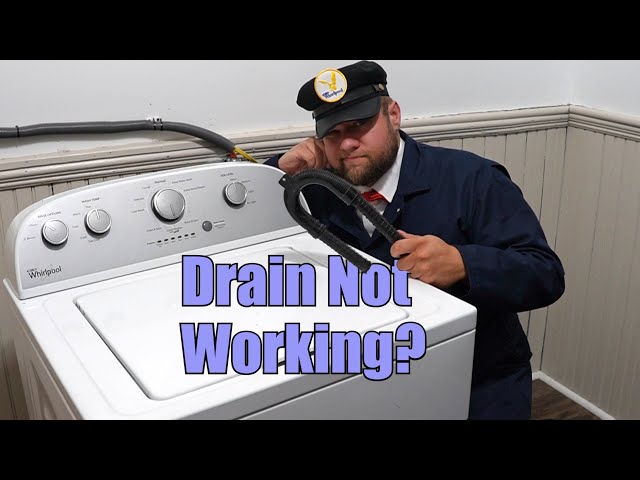
Finding your Whirlpool Gold washer full of water after a cycle is frustrating. Not only does it mean your clothes aren’t properly cleaned, but it can also lead to mold and mildew growth if left untreated. This problem usually occurs at the end of the wash cycle, leaving your clothes sitting in dirty water. Addressing this quickly will prevent damage to your clothes, the washing machine, and even your home.
Common Causes of whirlpool gold washer not draining
Here are several common reasons why your Whirlpool Gold washer might not be draining:
- Clogged Drain Hose: A blocked hose restricts water flow out of the washer.
- Clogged Drain Pump Filter: Lint, hair, and small objects can accumulate in the filter.
- Kinked or Damaged Drain Hose: A kink can prevent water from flowing freely.
- Faulty Drain Pump: If the pump is broken, it won’t be able to push the water out.
- Blocked Drainpipe: The house drain itself could be clogged.
- Air Lock in Drain Hose: Air trapped inside the hose can block water flow.
- Lid Switch Malfunction: If the lid switch isn’t working, the washer may not signal the drain pump to start.
- Control Board Issue: Rarely, the control board might be sending incorrect signals to the drain pump.
Symptoms Checklist
Use this checklist to pinpoint the exact nature of the problem:
- Washer is full of water after the cycle ends.
- You hear a humming sound but no water is draining.
- The washer displays an error code related to draining.
- Water drains very slowly.
- The drain hose is vibrating excessively but no water is exiting.
- The washer smells musty or moldy.
How to Fix whirlpool gold washer not draining Step-by-Step Guide
Follow these steps to troubleshoot and fix the drainage issue:
- Unplug the Washer: Disconnect the power cord from the outlet for safety.
- Locate the Drain Hose: This hose is usually at the back of the washer.
- Inspect the Drain Hose for Kinks: Straighten any kinks or bends in the hose.
- Check the Drain Hose Connection: Ensure the hose is securely connected to both the washer and the drainpipe.
- Remove the Drain Hose from the Drainpipe: Place the end of the hose into a bucket.
- Run a Short Spin Cycle: Select the spin cycle and let the washer attempt to drain the water into the bucket. If water flows freely, the problem is likely in the drainpipe.
- Clear the Drainpipe: Use a plumbing snake or auger to remove any clogs in the drainpipe.
- Locate the Drain Pump Filter: This filter is usually located behind a small access panel at the front of the washer near the bottom. Refer to your washer’s manual for the exact location.
- Drain Remaining Water: Place a shallow pan or towels under the access panel to catch any water. Carefully remove the access panel and drain plug, allowing the water to drain.
- Clean the Drain Pump Filter: Remove the filter and clean it thoroughly, removing any lint, hair, or debris. Rinse it with water and replace it securely.
- Check for Obstructions in the Pump Housing: Shine a flashlight into the pump housing and check for any visible obstructions. Carefully remove any obstructions with needle-nose pliers.
- Reassemble and Test: Reconnect the drain hose to the drainpipe, plug in the washer, and run a short spin cycle to see if it drains properly.
- Check the Lid Switch: The lid switch prevents the washer from spinning or draining with the lid open. Make sure the lid is closing properly and engaging the switch. If the switch seems loose or broken, it might need inspection.
Fix the Issue Without Buying Parts
Before considering replacing any parts, try these solutions:
- Reset the Washer: Unplug the washer for 10 minutes, then plug it back in. This can sometimes reset the control board and resolve the issue.
- Check for Air Lock: Disconnect the drain hose and gently blow into it to dislodge any air locks.
- Regular Cleaning: Run a washing machine cleaner through the washer monthly to prevent buildup of soap scum and debris.
- Inspect the Hoses: Look for any signs of damage to the hoses, such as cracks or leaks.
When Replacement Might Be Necessary
If you’ve tried all the above steps and the washer still isn’t draining, the drain pump might be faulty and need replacing. A drain pump replacement typically costs between $80 and $200, including parts and labor. The lid switch can also fail, costing approximately $50-$150 to replace. In rare cases, the control board may be the issue, which can be expensive (between $200-$500) and might warrant considering a new washer.
Safety Warning
- Always unplug the washer before performing any maintenance or repairs.
- Be careful when handling water to avoid slips and falls.
- If you are uncomfortable performing any of these steps, consult a qualified appliance repair technician.
- Do not overload the washer, as this can strain the drain pump.
Tools You May Need
- Screwdrivers (Phillips and flathead)
- Pliers
- Bucket
- Towels
- Plumbing snake or auger
- Flashlight
- Shallow pan
FAQ
Here are some frequently asked questions about Whirlpool Gold washer drainage problems:
-
Q: Why is my washer draining slowly?
A: A partially clogged drain hose or drain pump filter is the most likely cause. -
Q: How do I know if my drain pump is bad?
A: If you hear a humming sound but no water is draining, the pump is likely failing. You can also test the pump with a multimeter if you are comfortable doing so. -
Q: Can I use a chemical drain cleaner in my washing machine?
A: No, it is not recommended to use chemical drain cleaners in your washing machine, as they can damage the machine’s components. -
Q: How often should I clean my washing machine?
A: You should clean your washing machine at least once a month to prevent buildup of soap scum and debris.
Conclusion
Troubleshooting a Whirlpool Gold washer that isn’t draining can seem daunting, but by following these steps, you can often diagnose and fix the problem yourself. Remember to prioritize safety and take your time. If you’re not comfortable performing any of these steps, don’t hesitate to call a qualified appliance repair technician. Good luck!
Youtube Video:
Looking for more useful options?
Check out recommended resources that others find helpful.