Introduction
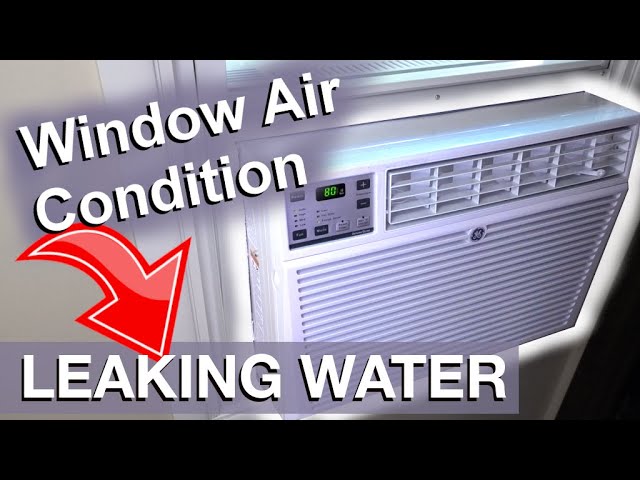
Finding water pooling around your air conditioner can be alarming. This isn’t normal, and it’s more than just a minor inconvenience. Water leaks can damage your floors, walls, and even electrical components. It also means your AC isn’t working efficiently, leading to higher energy bills. The good news is, many of the causes are simple to address. Ignoring the problem can lead to mold growth and more costly repairs down the road. Let’s get this fixed!
Common Causes of Water Running Out of Air Conditioner
Here are the most common reasons why your air conditioner might be leaking water:
- Clogged Drain Line: This is the most frequent culprit. Condensation naturally forms in your AC, and it needs to drain away. A blockage in the drain line prevents this, causing water to back up and overflow.
- Dirty Air Filter: A clogged air filter restricts airflow, causing the evaporator coil to freeze. When the ice melts, it overflows.
- Low Refrigerant: Low refrigerant can also cause the evaporator coil to freeze. As with a dirty filter, the melting ice leads to water leaks.
- Cracked Drain Pan: The drain pan collects the condensation. If it’s cracked or damaged, water will leak out.
- Improper Installation: If your AC wasn’t installed correctly, the drain line might not be properly sloped, hindering drainage.
- Leaky Condensate Pump: Some AC units use a condensate pump to remove water. If this pump fails, the water won’t be pumped away.
- High Humidity: Excessively humid conditions can overwhelm your AC’s drainage system, leading to minor overflows.
- Kinked or Disconnected Drain Line: Sometimes, the drain line can become kinked or accidentally disconnected, causing water to spill.
Symptoms Checklist
Use this checklist to accurately identify the problem:
- Water pooling around the indoor unit.
- Water dripping from the outdoor unit (some condensation is normal, but excessive amounts aren’t).
- Musty odor coming from the vents.
- AC unit not cooling as effectively as usual.
- Visible ice formation on the evaporator coil (requires removing an access panel).
- Water stains on the ceiling below the AC unit (for units installed in the attic or upper floors).
How to Fix Water Running Out of Air Conditioner Step-by-Step Guide
Follow these steps to troubleshoot and fix your AC’s water leak:
- Turn Off the AC: Before you start, switch off your air conditioner at the thermostat and breaker to prevent electrical shock.
- Locate the Drain Line: The drain line is usually a PVC pipe extending from the indoor unit. It often runs outside or into a drain.
- Check for Clogs: Use a wet/dry vacuum to suck out any clogs in the drain line. Attach the vacuum hose to the end of the drain line outside and let it run for a few minutes.
- Flush the Drain Line: Carefully pour a cup of distilled white vinegar into the drain line opening inside your house. Vinegar helps dissolve algae and mold that can cause clogs. Let it sit for 30 minutes, then flush with water.
- Inspect the Air Filter: Remove and inspect the air filter. If it’s dirty, replace it with a new one. A clean air filter is crucial for proper airflow.
- Check the Drain Pan: Locate the drain pan under the indoor unit. Inspect it for cracks or damage. If you find any, you’ll need to replace the pan eventually, but a temporary fix with waterproof tape might work in the short term.
- Inspect the Evaporator Coils: (Safety First!). Remove the access panel to the evaporator coils (usually a metal plate with screws). Look for ice buildup. If you see ice, let it thaw completely. This may take several hours. Once thawed, address the underlying cause (dirty filter or low refrigerant).
- Check Condensate Pump: If your system has a condensate pump, locate it and check if it’s working properly. Ensure it’s plugged in and the float switch isn’t stuck. If the pump isn’t running, it may need replacement.
- Ensure Proper Slope of Drain Line: Make sure the drain line slopes downwards from the AC unit to the drain. If it’s sagging or has uphill sections, water can’t drain properly.
- Clean the Area: Remove any standing water around the AC unit to prevent mold growth. Use a disinfectant cleaner to sanitize the area.
- Turn the AC Back On: Once you’ve addressed the potential causes, turn the AC back on and monitor it for leaks.
- Monitor Refrigerant Lines: If you suspect low refrigerant, visually inspect the copper lines leading to the outside unit. Oily residue can indicate a refrigerant leak, which needs professional attention.
- Run a test cycle: Check during a full cycle for leaks. If it starts leaking again, continue troubleshooting, or call a professional.
Fix the Issue Without Buying Parts
Many AC water leak problems can be resolved without spending money:
- Reset: Simply turning off the AC for a while and then turning it back on can sometimes resolve minor issues.
- Cleaning: Regularly cleaning the air filter and drain line is essential for preventing clogs.
- Inspection: Visually inspect the AC unit and surrounding area for any obvious signs of damage or blockages.
- Maintenance: Regular AC maintenance, including cleaning and filter replacement, can prevent future leaks.
When Replacement Might Be Necessary
While many issues can be fixed, some components might eventually need replacing:
- Cracked Drain Pan: Replacing a cracked drain pan typically costs between $50 and $200 (USD), depending on the size and type.
- Condensate Pump: Condensate pump replacement usually ranges from $80 to $300 (USD).
- Evaporator Coil: If it has physical damage to the fins, the cost of this is typically between $700-$2000.
Safety Warning
Keep these safety precautions in mind:
- Always disconnect the power to the AC unit before working on it.
- Avoid standing in water while working with electrical appliances.
- Be careful when handling cleaning products. Follow the manufacturer’s instructions.
- If you’re not comfortable working with electrical components, call a qualified technician.
Tools You May Need
Here’s a list of tools that might be helpful:
- Wet/dry vacuum
- Distilled white vinegar
- Screwdriver set
- Pliers
- Flashlight
- New air filter
- Waterproof tape
FAQ
Here are some frequently asked questions about AC water leaks:
- Q: Why is my AC leaking even after I cleaned the drain line? A: There might be a secondary clog or a different issue, such as a cracked drain pan or low refrigerant.
- Q: How often should I clean my AC’s drain line? A: It’s recommended to clean the drain line at least once a year, or more often if you experience frequent clogs.
- Q: Is it normal for my outdoor AC unit to drip water? A: Some condensation is normal, especially on humid days. However, excessive dripping could indicate a problem.
- Q: Can low refrigerant cause my AC to leak water? A: Yes, low refrigerant can cause the evaporator coil to freeze, which leads to water leaks when the ice melts.
- Q: What if I can’t find the drain line opening? A: Check your AC unit’s manual or consult a professional HVAC technician for assistance.
Conclusion
Don’t let a leaky air conditioner dampen your comfort. By following these steps, you can often identify and fix the problem yourself, saving you time and money. If you’re unsure or uncomfortable with any of the steps, don’t hesitate to call a qualified HVAC technician. Happy cooling!
Youtube Video:
Looking for more useful options?
Check out recommended resources that others find helpful.