Introduction
A non-functioning ice maker in your GE side-by-side refrigerator can be a real headache, especially during hot weather or when you’re planning a party. Imagine having to buy bags of ice constantly! The good news is that many ice maker problems are easy to fix yourself, without needing a costly service call. This guide will walk you through the most common causes and solutions, helping you troubleshoot the issue step-by-step.
Common Causes of ge side by side ice maker not making ice
Here are some of the most frequent reasons why your GE ice maker might not be producing ice:
- Ice Maker is Turned Off: Seems obvious, but it’s the most common oversight!
- Water Supply Issues: The ice maker needs water to function. A kinked or frozen water line can restrict the flow.
- Water Filter Clogged: A dirty water filter restricts water flow, impacting ice production.
- Freezer Temperature Too High: The freezer needs to be cold enough (ideally 0-5F or -18 to -15C) for the ice maker to function correctly.
- Ice Jam in the Ejector: Ice cubes can get stuck in the ejector arm, preventing it from cycling.
- Faulty Water Inlet Valve: This valve controls the water flow to the ice maker. If it’s faulty, no water will reach the ice maker.
- Defective Ice Maker Module: The ice maker module controls the ice-making cycle. If it’s broken, the ice maker won’t work.
- Frozen Fill Tube: The tube that fills the ice maker with water can sometimes freeze, blocking the water supply.
Symptoms Checklist
Use this checklist to accurately identify the issue:
- No ice is being produced at all.
- Ice cubes are small or misshapen.
- Ice production is very slow.
- You hear the ice maker cycling, but no water is filling the tray.
- The ice maker is making a grinding or clicking noise.
- The freezer temperature is warmer than usual.
How to Fix ge side by side ice maker not making ice Step-by-Step Guide
- Check the Power Switch: Locate the ice maker power switch (usually a wire arm or a small on/off switch inside the freezer) and ensure it’s in the “on” position.
- Verify Freezer Temperature: Use a thermometer to check the freezer temperature. It should be between 0-5F (-18 to -15C). Adjust the freezer settings if needed. Allow several hours for the temperature to stabilize.
- Inspect the Water Line: Look for any kinks or bends in the water line running to the refrigerator. Straighten them out.
- Check the Water Supply Valve: Make sure the water supply valve (usually located under the sink or behind the refrigerator) is fully open.
- Replace the Water Filter: A clogged water filter is a common culprit. Replace it with a new one according to the refrigerator’s manual.
- Thaw a Frozen Fill Tube: Locate the fill tube (usually at the top or back of the freezer). If it’s frozen, use a hairdryer on a low setting to gently thaw it. Avoid using excessive heat.
- Clear Ice Jams: Carefully remove any ice jams in the ice ejector arm or ice storage bin.
- Force Cycle the Ice Maker: Many GE ice makers have a test or force cycle button. Consult your owner’s manual for instructions on how to activate it. This can help dislodge ice or reset the system. Usually involves holding a button for several seconds.
- Listen for the Water Valve: During the fill cycle (after forcing a cycle or after the normal ice maker cycle), listen for the water valve opening. If you don’t hear it, the valve might be faulty.
- Check the Ice Maker Arm: Make sure the ice maker arm (the wire arm that shuts off the ice maker when the bin is full) moves freely and isn’t blocked by ice.
- Clean the Ice Maker: Periodically clean the ice maker with a mild detergent and warm water. Rinse thoroughly and dry before reassembling.
- Defrost the Freezer: If the freezer has excessive frost buildup, defrost it manually. This can help clear any ice blockages.
Fix the Issue Without Buying Parts
Before resorting to buying parts, try these free methods:
- Reset: Simply turning the ice maker off and on again can sometimes reset the system and resolve minor glitches.
- Cleaning: Regular cleaning of the ice maker and surrounding areas can prevent ice jams and maintain optimal performance.
- Recalibration (if applicable): Some GE models have a recalibration feature for the ice maker. Check your owner’s manual for instructions.
- Inspection: Regularly inspect the water lines, filter, and ice maker components for any signs of damage or wear.
- Maintenance: Follow the manufacturer’s recommended maintenance schedule for your refrigerator, including replacing the water filter regularly.
When Replacement Might Be Necessary
If you’ve tried all the troubleshooting steps and your ice maker still isn’t working, a replacement part might be needed. Commonly failing parts include the water inlet valve ($30-$70 USD), the ice maker module ($50-$150 USD), or, in rare cases, the entire ice maker assembly ($100-$300 USD). Consider consulting a qualified appliance repair technician for diagnosis and repair.
Safety Warning
- Always unplug the refrigerator before performing any maintenance or repairs.
- Avoid working with electrical components if you’re not comfortable. Call a qualified technician instead.
- Be careful when using sharp tools or thawing frozen parts to avoid injury.
- Clean up any spills immediately to prevent slips and falls.
Tools You May Need
- Screwdrivers (Phillips and flathead)
- Pliers
- Adjustable wrench
- Towel or sponge
- Thermometer
- Hairdryer (optional, for thawing)
FAQ
Here are some common questions and answers:
- Q: How often should I replace the water filter? A: GE recommends replacing the water filter every 6 months.
- Q: Why is my ice maker making small, hollow cubes? A: This is usually a sign of low water pressure or a clogged water filter.
- Q: My ice maker is making a loud buzzing noise. What could that be? A: This could indicate a problem with the water inlet valve or the ice maker motor.
- Q: How do I know if the ice maker module is bad? A: If the ice maker isn’t cycling and you’ve ruled out other issues, the module might be defective.
Conclusion
Troubleshooting a GE side-by-side ice maker that isn’t making ice can often be accomplished with these simple steps. By following this guide, you can often resolve the issue yourself, saving time and money. If you’ve exhausted these troubleshooting steps and the problem persists, it might be time to consult a qualified appliance repair technician. Good luck!
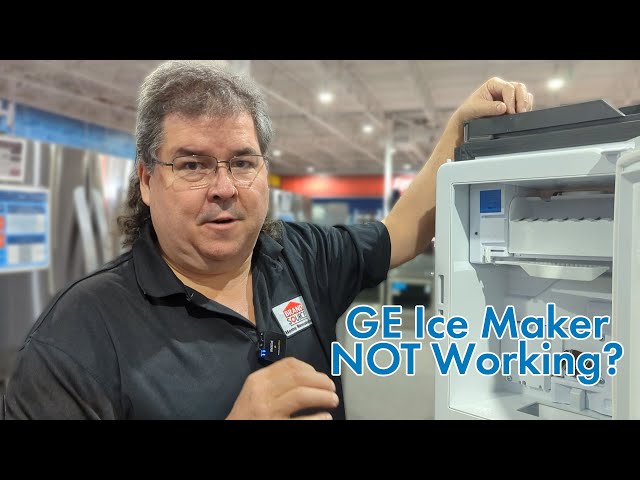
Youtube Video:
Looking for more useful options?
Check out recommended resources that others find helpful.