Introduction
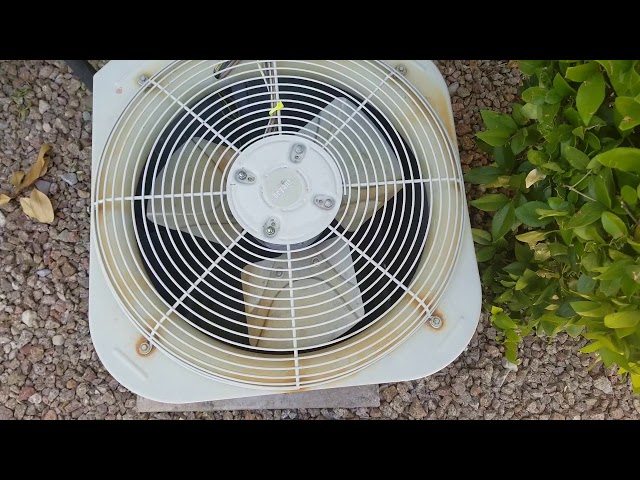
That high-pitched squeal coming from your outside AC unit is more than just annoying it’s a sign that something isn’t right. Ignoring it can lead to bigger problems and more expensive repairs down the road. Most often, you’ll hear this squealing when the AC unit first starts up or while it’s running. It’s important to address this quickly to prevent further damage and keep your home cool and comfortable.
Common Causes of outside ac unit making loud squealing noise
Here are some of the most common reasons why your outside AC unit might be making a loud squealing noise:
- Worn Belt: Many older AC units use a belt to connect the motor to the fan. Over time, this belt can wear out, crack, and slip, causing a squealing sound.
- Dry Bearings: The motor and fan have bearings that allow them to spin smoothly. If these bearings aren’t properly lubricated, they can create a loud squeal.
- Fan Blade Obstruction: Debris like leaves, twigs, or even small animals can get stuck in the fan blades, causing the motor to strain and squeal.
- Loose Fan Blade: If a fan blade is loose, it can vibrate and rub against other parts of the unit, producing a squealing noise.
- Motor Issues: A failing motor can produce various noises, including squealing, as it struggles to operate.
- Refrigerant Leaks: While less common, a refrigerant leak can sometimes cause a high-pitched squealing or hissing sound.
- Compressor Problems: The compressor is the heart of your AC system. If it’s failing, it can make all sorts of strange noises, including squeals.
- Contactor Relay Issues: The contactor relay switches the compressor on and off. A failing relay can cause a squealing or buzzing sound.
Symptoms Checklist
Use this checklist to help identify the issue accurately:
- The squealing noise is constant while the AC is running.
- The squealing noise is most noticeable when the AC starts up.
- The squealing noise is accompanied by a burning smell.
- The AC unit is not cooling as effectively as it used to.
- You notice debris or obstructions around the fan blades.
- The AC unit is vibrating more than usual.
- The squealing stops when the AC is turned off.
How to Fix outside ac unit making loud squealing noise Step-by-Step Guide
Follow these steps to troubleshoot and potentially fix the squealing noise:
- Turn off the AC: Before you start, turn off the AC unit at the thermostat and then switch off the breaker that controls the outside unit. This is crucial for your safety.
- Inspect the Fan Blades: Carefully examine the fan blades for any obstructions. Remove any leaves, twigs, or debris that might be causing the noise.
- Check the Fan Belt (if applicable): If your unit has a belt, inspect it for cracks, fraying, or looseness. A worn belt needs to be replaced.
- Tighten Loose Screws: Check all the screws and bolts on the unit, especially around the fan motor and fan blades. Tighten any that are loose.
- Lubricate the Motor Bearings: Locate the motor bearings (they might be covered by small caps). Use a few drops of electric motor oil to lubricate them. Be careful not to over-lubricate.
- Clean the Unit: Use a soft brush or vacuum to remove any dust and dirt from the inside of the unit. This can improve airflow and reduce strain on the motor.
- Check the Capacitor: The capacitor is a cylindrical component that helps start the motor. If it’s bulging or leaking, it needs to be replaced by a qualified technician. (Visually inspect – do not touch)
- Inspect the Wiring: Look for any loose or damaged wires inside the unit. If you find any, have them repaired by a professional.
- Test the Fan: Manually spin the fan blade. It should spin freely and quietly. If it’s difficult to turn or makes noise, there might be a problem with the motor or bearings.
- Reassemble the Unit: Once you’ve completed your inspection and made any necessary adjustments, carefully reassemble the unit.
- Turn the Power Back On: Switch the breaker back on and turn on the AC at the thermostat.
- Listen for the Noise: Pay close attention to whether the squealing noise is still present. If it is, further troubleshooting or professional help may be needed.
Fix the Issue Without Buying Parts
Sometimes you can resolve the squealing noise without spending any money:
- Reset the AC: Turn off the AC at the breaker for 30 minutes, then turn it back on. This can sometimes reset the system and resolve minor issues.
- Deep Cleaning: A thorough cleaning of the unit can remove debris that’s causing the noise.
- Visual Inspection Tips: Regularly inspect the unit for signs of wear and tear, such as cracks, leaks, or loose connections.
- Basic Maintenance: Keep the area around the AC unit clear of bushes and debris to ensure proper airflow.
When Replacement Might Be Necessary
If the squealing persists after trying the above steps, or if you notice other serious issues like a failing compressor, it might be time to consider a replacement. Replacing the entire AC unit can cost anywhere from $3,000 to $7,000, depending on the size and efficiency of the new unit. Parts that commonly fail and might warrant replacement include the fan motor, compressor, and capacitor.
Safety Warning
- Always disconnect the power to the AC unit before attempting any repairs.
- Avoid working on electrical components if you are not comfortable or experienced.
- Do not touch any exposed wires or components inside the unit.
- Work in a dry area to avoid electric shock.
Tools You May Need
- Screwdriver (Phillips and flathead)
- Wrench
- Electric motor oil
- Soft brush or vacuum
- Gloves
- Safety glasses
FAQ
Here are some frequently asked questions about squealing AC units:
- Q: How do I know if the belt is the problem? A: If you see cracks or fraying on the belt, or if it feels loose, it’s likely the culprit.
- Q: Can I use WD-40 to lubricate the motor bearings? A: No, WD-40 is not a lubricant and can actually damage the bearings. Use electric motor oil instead.
- Q: How often should I clean my AC unit? A: At least once a year, preferably before the start of the cooling season.
- Q: Is a squealing noise always a serious problem? A: Not always, but it’s always a sign that something isn’t right and should be investigated.
Conclusion
A squealing AC unit can be a headache, but often the problem can be resolved with some simple troubleshooting and maintenance. Before you call a technician, try these steps to see if you can fix the issue yourself. If the squealing persists or if you’re not comfortable working on the unit, it’s best to call a qualified HVAC professional for assistance. Good luck keeping cool!
Youtube Video:
Looking for more useful options?
Check out recommended resources that others find helpful.