Introduction
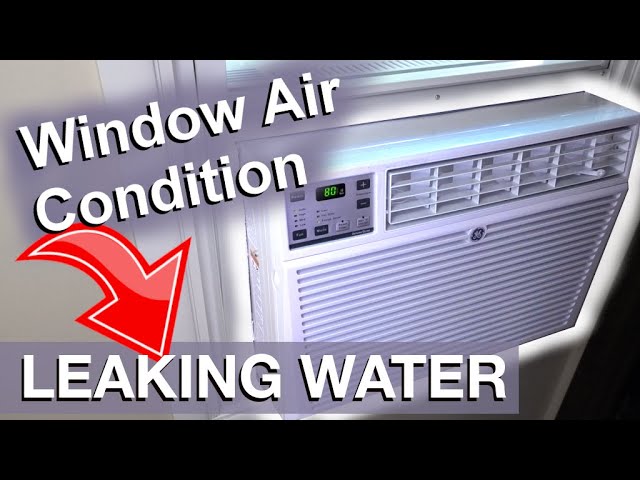
Finding water leaking from your Perfect Aire air conditioner can be frustrating and concerning. It usually means there’s a problem with the unit’s drainage system. Left unchecked, this leak can damage your floors, walls, and even promote mold growth. This guide will help you understand why your AC is leaking and provide simple steps to troubleshoot the issue before calling a professional. Addressing this quickly can prevent further damage to your home.
Common Causes of perfect aire air conditioner leaking water
Here are some of the most frequent reasons why your Perfect Aire AC might be leaking water:
- Clogged Drain Line: This is the most common culprit. Dust, mold, and algae can build up in the drain line, blocking the water flow.
- Dirty Air Filter: A dirty filter restricts airflow, causing the evaporator coil to freeze. When the ice melts, it overflows the drain pan.
- Low Refrigerant: Low refrigerant can also cause the evaporator coil to freeze, leading to the same overflow problem as a dirty filter.
- Cracked or Damaged Drain Pan: Over time, the drain pan can crack or rust, causing water to leak.
- Improper Installation: If the AC isn’t level, water can’t drain properly and will leak.
- Bent or Kinked Drain Line: A bend or kink in the drain line prevents water from flowing freely.
- Drain Line Disconnection: Sometimes the drain line becomes disconnected from the unit or the drain opening, causing a leak.
- Damaged Evaporator Coil Fins: Bent or damaged fins can affect airflow, potentially leading to coil freezing and water leakage.
Symptoms Checklist
Here’s what to look for to confirm the source of the problem:
- Visible water dripping from the front or bottom of the AC unit.
- Water stains on the wall or floor around the AC.
- A musty or moldy odor coming from the AC.
- Ice forming on the cooling fins inside the unit.
- The AC unit is not cooling as effectively as usual.
- Water dripping even when the AC is turned off (especially shortly after turning it off).
How to Fix perfect aire air conditioner leaking water Step-by-Step Guide
Follow these steps to diagnose and fix the leaking issue:
- Turn Off the AC and Unplug It: Safety first! Always disconnect the power before troubleshooting.
- Inspect the Air Filter: Remove the air filter and check if it’s dirty. If it is, clean or replace it (see “Fix the Issue Without Buying Parts” below).
- Locate the Drain Line: The drain line is usually a small PVC pipe exiting the back or side of the unit.
- Check for Kinks or Bends: Make sure the drain line isn’t bent or kinked, preventing water flow. Straighten it if necessary.
- Clear the Drain Line: Use a wet/dry vacuum to suck out any clogs from the drain line. Place the vacuum hose over the drain line opening and turn it on for a few minutes. Alternatively, you can use a stiff wire or pipe cleaner to gently clear the blockage.
- Flush the Drain Line: Pour a cup of white vinegar into the drain pan to kill any mold or algae. Let it sit for 30 minutes, then flush with water.
- Inspect the Drain Pan: Carefully examine the drain pan for cracks or damage. If you find any, proceed to the “When Replacement Might Be Necessary” section.
- Check the Unit’s Level: Use a level to ensure the AC is sitting level. If it isn’t, shim it until it is.
- Inspect the Evaporator Coil: With the AC off and unplugged, carefully examine the cooling fins (evaporator coil) inside the unit. Look for ice buildup. If there’s ice, let it melt completely before proceeding.
- Clean the Evaporator Coil (if accessible): Gently clean the evaporator coil with a soft brush or vacuum attachment to remove any dust or debris.
- Reassemble the AC: Once you’ve completed these steps, carefully reassemble the AC unit.
- Plug In and Test: Plug the AC back in and turn it on. Monitor it for a few hours to see if the leaking has stopped.
- Monitor the Area Around the Unit: Keep an eye on the wall and floor around the AC for any signs of new leaks.
Fix the Issue Without Buying Parts
Here are some free methods to address the issue:
- Clean the Air Filter: Wash the air filter with mild soap and water, rinse thoroughly, and allow it to dry completely before replacing it.
- Vacuum the Drain Line: Use a wet/dry vacuum to clear the drain line.
- White Vinegar Flush: Regularly flush the drain line with white vinegar to prevent mold and algae buildup.
- Regular Inspection: Check your AC unit regularly for signs of leaks, ice buildup, or other problems. Early detection can prevent more serious issues.
When Replacement Might Be Necessary
If the drain pan is cracked or badly damaged, it might need to be replaced. Also, if the refrigerant is low and you suspect a leak, it’s best to call a professional. Refrigerant handling requires special equipment and training. Replacing the drain pan typically costs between $30 and $80, but professional refrigerant recharge can cost between $150 and $400, depending on the amount of refrigerant needed and local labor rates. Common parts that might fail include the drain pan and the evaporator coil.
Safety Warning
- Always unplug the AC unit before performing any maintenance or repairs.
- Avoid working with water and electricity at the same time.
- Be careful when handling sharp objects or tools.
- If you are not comfortable performing any of these steps, call a qualified technician.
- Clean up any water spills immediately to prevent slips and falls.
Tools You May Need
- Screwdriver (Phillips and flathead)
- Wet/dry vacuum
- Level
- Soft brush or vacuum attachment
- White vinegar
- Stiff wire or pipe cleaner
- Flashlight
FAQ
Here are some frequently asked questions:
-
Q: Why is my AC leaking even when it’s off?
A: Residual water in the drain pan can continue to drip after the AC is turned off. If it continues for a long time, the drain line is likely blocked. -
Q: How often should I clean my AC filter?
A: Ideally, you should clean or replace your AC filter every 1-3 months, depending on usage and air quality. -
Q: Can a leaking AC damage my walls or floors?
A: Yes, prolonged leaking can cause water damage, mold growth, and structural problems. -
Q: What should I do if I suspect a refrigerant leak?
A: Contact a qualified HVAC technician immediately. Refrigerant leaks require professional attention.
Conclusion
Fixing a leaking Perfect Aire air conditioner can often be accomplished with simple troubleshooting and maintenance. By following the steps in this guide, you can often resolve the issue yourself and save money on costly repairs. However, if you’re uncomfortable performing any of these steps, or if the problem persists, don’t hesitate to call a qualified HVAC technician for assistance. Remember, regular maintenance is key to keeping your AC running smoothly and preventing future problems.
Youtube Video:
Looking for more useful options?
Check out recommended resources that others find helpful.