Introduction
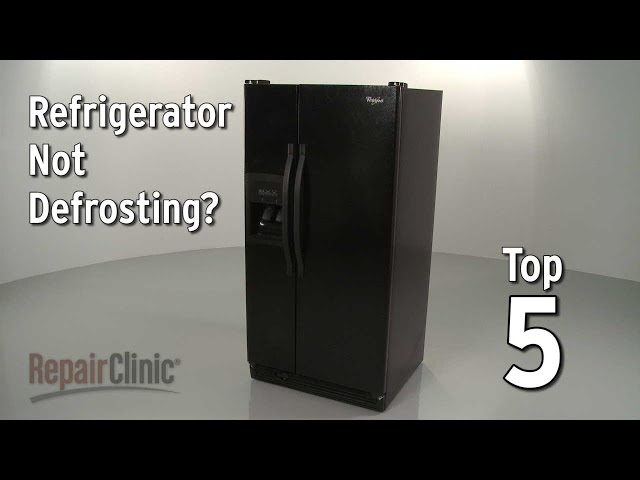
A refrigerator that doesn’t defrost properly can lead to a frustrating buildup of ice, reducing its cooling efficiency and potentially damaging food. This usually happens when the freezer section becomes excessively icy, or you notice food in the refrigerator is starting to spoil sooner than expected. Addressing this issue promptly is important to prevent food waste, higher energy bills, and costly repairs down the line. Don’t panic! Often, it’s a simple fix you can do yourself.
Common Causes of Refrigerator Does Not Defrost
Here are some common reasons why your refrigerator isn’t defrosting correctly:
- Defrost Timer Malfunction: The timer controls the defrost cycle. If it’s broken, the defrost cycle won’t start.
- Defrost Heater Failure: The heater melts the ice buildup. If it’s faulty, it won’t generate heat.
- Defrost Thermostat Issues: This thermostat monitors the temperature of the evaporator coil and tells the heater when to turn on. If it’s broken, the heater won’t activate.
- Frozen Defrost Drain: A clogged drain prevents melted ice from escaping, leading to ice buildup.
- Faulty Defrost Control Board: In newer refrigerators, an electronic control board manages the defrost cycle. A problem with the board can disrupt the process.
- Dirty Evaporator Coils: Dust and debris on the coils reduce their efficiency, leading to excessive frost buildup.
- Door Seal Problems: A damaged or worn door seal allows warm, moist air to enter, causing more ice to form.
- Overloaded Freezer: Too many items packed tightly together can restrict airflow and lead to uneven temperatures, promoting ice buildup.
Symptoms Checklist
Here are some signs that your refrigerator isn’t defrosting properly:
- Excessive ice buildup in the freezer.
- Food in the refrigerator spoiling quickly.
- Unusual frost patterns on the back wall of the freezer.
- The refrigerator runs constantly.
- Increased energy bills.
- Water leaking inside the refrigerator.
How to Fix Refrigerator Does Not Defrost Step-by-Step Guide
Follow these steps to troubleshoot and fix your refrigerator’s defrosting problem:
- Unplug the Refrigerator: This is crucial for your safety. Turn off the power before you start any work.
- Locate the Evaporator Coils: These are usually behind a panel in the freezer section. You may need a screwdriver to remove the panel.
- Inspect for Ice Buildup: Observe the amount of ice on the coils. A thick layer indicates a defrosting problem.
- Check the Defrost Heater: The heater is usually a metal tube or coil located near the evaporator coils. Inspect it for any visible damage.
- Test the Defrost Heater (If Comfortable): Using a multimeter, test the heater for continuity. If there’s no continuity, the heater is likely faulty. (See Safety Warnings!)
- Locate the Defrost Thermostat: It’s usually clipped to the evaporator coil.
- Test the Defrost Thermostat (If Comfortable): The thermostat should show continuity when cold. You can test it by placing it in a freezer for a while and then testing it with a multimeter. (See Safety Warnings!)
- Check the Defrost Timer: For refrigerators with a timer, try manually advancing it into the defrost cycle. Listen for a clicking sound and see if the heater turns on.
- Inspect the Defrost Drain: This drain is usually located at the bottom of the freezer section.
- Clear the Defrost Drain: Use a turkey baster filled with hot water or a long, flexible wire to clear any blockage in the drain.
- Clean the Evaporator Coils: Use a vacuum cleaner with a brush attachment to remove dust and debris from the coils.
- Check the Door Seals: Inspect the seals for any cracks, tears, or gaps. Replace the seals if necessary.
- Avoid Overloading the Freezer: Ensure there’s adequate space between items for proper airflow.
- Plug the Refrigerator Back In: After completing the checks and fixes, plug the refrigerator back in and monitor its performance.
- Monitor for a Few Days: Observe if ice buildup is reduced and if the refrigerator is cooling properly.
Fix the Issue Without Buying Parts
Here are some things you can try before considering replacement parts:
- Manually Defrost: Unplug the refrigerator and let the ice melt naturally. This can help reset the system.
- Clean the Coils: Regularly cleaning the evaporator and condenser coils improves efficiency.
- Check the Door Seals Regularly: Ensure the door seals are clean and tight.
- Adjust Temperature Settings: Make sure the temperature settings are appropriate. Too cold can lead to excessive ice buildup.
- Proper Food Storage: Store food properly to minimize moisture release.
When Replacement Might Be Necessary
If you’ve tried all the troubleshooting steps and the refrigerator still isn’t defrosting, a replacement might be necessary. Commonly failing parts include the defrost heater ($30-$75), defrost thermostat ($15-$40), or the defrost timer/control board ($50-$200). If the repair costs are nearing half the price of a new refrigerator, it might be more economical to replace the entire unit. A new refrigerator can range from $500 to $2000+ depending on the size and features.
Safety Warning
- Always unplug the refrigerator before performing any repairs.
- Avoid touching electrical components with wet hands.
- Be careful when working with sharp tools.
- If you’re not comfortable working with electrical components, consult a qualified appliance repair technician.
- Be aware that some refrigerators have capacitors that can hold a charge even after being unplugged. If you are unsure, consult with a professional.
Tools You May Need
- Screwdriver (Phillips and flathead)
- Multimeter
- Turkey baster or long flexible wire
- Vacuum cleaner with brush attachment
- Gloves
FAQ
Here are some frequently asked questions about refrigerator defrosting problems:
- Q: How often should my refrigerator defrost? A: Most refrigerators defrost automatically every 6 to 12 hours.
- Q: Can a dirty condenser coil cause defrosting problems? A: Yes, a dirty condenser coil can reduce the refrigerator’s efficiency and lead to ice buildup.
- Q: How do I know if my defrost heater is working? A: You can test it with a multimeter for continuity. If it has no continuity, it’s likely faulty.
- Q: Is it normal for my refrigerator to make noise during the defrost cycle? A: Yes, you may hear a sizzling or crackling sound as the ice melts.
Conclusion
Troubleshooting a refrigerator that isn’t defrosting can seem daunting, but by following these steps, you can often resolve the issue yourself. Remember to prioritize safety and take your time. If you’ve exhausted these troubleshooting steps and the problem persists, it’s best to consult a qualified appliance repair technician. Good luck!
Youtube Video:
Looking for more useful options?
Check out recommended resources that others find helpful.