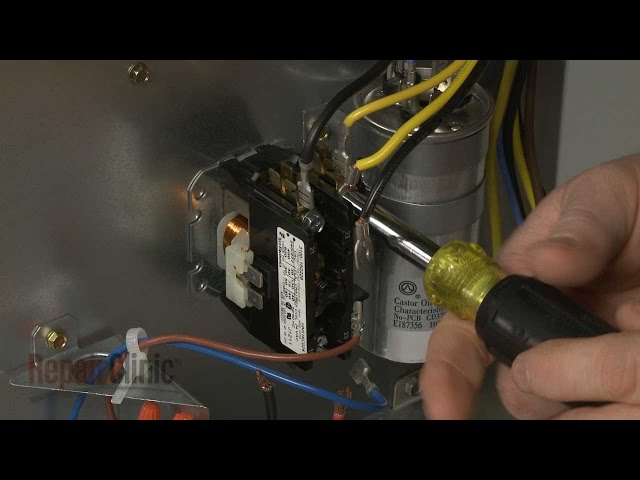
Introduction
Is your Payne AC unit failing to deliver the cool air you need? This is a common problem, especially during the hottest months. A malfunctioning AC system can lead to uncomfortable living conditions, higher energy bills, and potentially damage to the unit if left unaddressed. Figuring out the cause quickly is important to get your home cool and comfortable again.
Common Causes of Payne AC Unit Not Blowing Cold Air
Here are some of the most common reasons why your Payne AC unit might not be blowing cold air:
- Dirty Air Filter: A clogged filter restricts airflow, causing the AC to work harder and cool less efficiently.
- Frozen Evaporator Coil: Restricted airflow or low refrigerant can cause the evaporator coil (inside the indoor unit) to freeze over.
- Low Refrigerant: Refrigerant is the fluid that cools the air. A leak can cause low refrigerant levels, reducing cooling power.
- Dirty Condenser Coils: The condenser coils (outside unit) release heat. Dirt and debris buildup prevents proper heat exchange.
- Faulty Condenser Fan: The condenser fan helps dissipate heat. If it’s not working, the AC won’t cool effectively.
- Blocked Vents: Closed or blocked vents restrict airflow throughout your home, making it seem like the AC isn’t working.
- Leaky Ducts: If your ductwork has leaks, cooled air can escape before reaching the vents.
- Thermostat Issues: An incorrectly set or malfunctioning thermostat can prevent the AC from running properly.
Symptoms Checklist
Use this checklist to help identify the problem:
- Warm air blowing from vents.
- Weak airflow from vents.
- Ice buildup on the indoor AC unit (evaporator coil).
- Unusual noises from the AC unit (e.g., hissing, buzzing).
- AC unit runs constantly but doesn’t cool.
- Higher than usual energy bills.
How to Fix Payne AC Unit Not Blowing Cold Air Step-by-Step Guide
Follow these steps to troubleshoot your Payne AC unit:
- Check the Thermostat: Make sure the thermostat is set to “Cool” mode and the temperature is set lower than the current room temperature.
- Inspect the Air Filter: Remove the air filter (usually located inside the indoor unit or in a wall/ceiling vent). If it’s dirty, replace it with a new one.
- Check for Frozen Evaporator Coil: Locate the indoor unit’s access panel (usually secured with screws). Open the panel and visually inspect the evaporator coil for ice buildup. If frozen, turn off the AC and run only the fan to melt the ice (this can take several hours).
- Inspect the Outdoor Unit (Condenser): Check the outdoor unit for debris buildup around the condenser coils.
- Clean the Condenser Coils: Turn off the AC unit at the breaker. Carefully remove any debris (leaves, grass, etc.) from around the condenser coils. Use a garden hose (with a gentle spray) to rinse the coils from the inside out. Avoid using high-pressure spray, which can damage the fins.
- Check the Condenser Fan: Make sure the condenser fan is free of obstructions and spins freely. If it’s not spinning when the AC is on, it may be faulty. (This might require professional help).
- Check Air Vents: Ensure all air vents in your home are open and unobstructed by furniture or other items.
- Check for Duct Leaks: Inspect accessible ductwork (in attics, basements, or crawl spaces) for any visible leaks. Seal small leaks with duct tape. For larger leaks, consult a professional.
- Check the Breaker: Ensure the breaker for the AC unit in your electrical panel hasn’t tripped. If tripped, reset it. If it trips again immediately, there might be a more serious electrical problem.
- Restart the AC Unit: After cleaning and inspecting the unit, turn it back on and allow it to run for a few hours to see if the cooling improves.
- Ensure Outdoor Unit Clearance: Make sure there is adequate space around the outdoor unit for proper airflow. Remove any shrubs or items that might be obstructing the unit. At least 2-3 feet of clearance is recommended.
- Inspect for Refrigerant Leaks (Visual Inspection): Look for oily residue on refrigerant lines or connections. This can indicate a leak. (Note: only a professional can repair refrigerant leaks.)
Fix the Issue Without Buying Parts
Many AC issues can be resolved without purchasing new parts:
- Regular Filter Cleaning/Replacement: Prevent airflow restriction by maintaining a clean air filter.
- Coil Cleaning: Keep condenser coils free of debris.
- Check Vents and Ductwork: Ensure proper airflow throughout your home.
- Defrosting: If your coil freezes, a simple defrost can bring your unit back.
When Replacement Might Be Necessary
If the problem persists after troubleshooting, replacement might be necessary. Common failing parts include:
- Compressor: The heart of the AC system, responsible for compressing the refrigerant. Cost: $1,200 – $2,500 (including labor).
- Condenser Fan Motor: If the fan motor fails, the condenser won’t dissipate heat. Cost: $300 – $600 (including labor).
- Evaporator Coil: A leaking or severely damaged evaporator coil requires replacement. Cost: $800 – $1,500 (including labor).
- Refrigerant Leaks: If the leaks are extensive or repeated, refilling may not be cost-effective.
Safety Warning
Follow these safety precautions:
- Turn off the AC unit at the breaker before performing any maintenance or cleaning.
- Avoid touching electrical components when the unit is powered on.
- Be careful when using water to clean the condenser coils to avoid electrical shock.
- If you’re uncomfortable working with electrical components or refrigerant, consult a qualified HVAC technician.
Tools You May Need
Here are some tools that can be helpful:
- Screwdriver (Phillips and flathead)
- Wrench
- Garden hose with spray nozzle
- Fin comb (for straightening bent condenser fins)
- Duct tape
- Air filter
FAQ
Here are some frequently asked questions:
- Q: My AC is making a hissing noise. What does that mean? A: A hissing noise could indicate a refrigerant leak. Turn off the unit and contact a professional immediately.
- Q: How often should I replace my air filter? A: Generally, you should replace your air filter every 1-3 months, depending on usage and air quality.
- Q: Why is my AC unit freezing up? A: Freezing can be caused by low refrigerant, a dirty air filter, or a blocked vent.
- Q: Can I add refrigerant to my AC unit myself? A: No, refrigerant handling requires specialized equipment and training. Contact a qualified HVAC technician.
Conclusion
Troubleshooting your Payne AC unit can save you money and help you understand your cooling system better. By following these steps, you can often identify and resolve common issues. However, if you’re uncomfortable with any of these procedures or the problem persists, it’s best to call a qualified HVAC technician for professional assistance.
Youtube Video:
Looking for more useful options?
Check out recommended resources that others find helpful.