Introduction
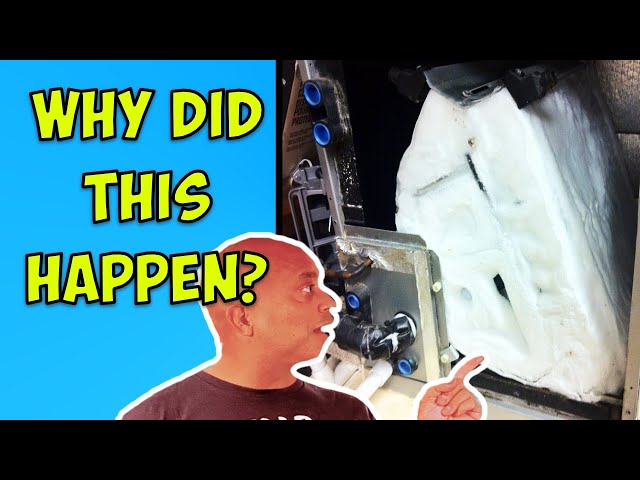
A frozen AC coil is a common problem that occurs when the evaporator coil inside your air conditioning unit becomes covered in ice. This ice buildup restricts airflow, reducing your AC’s ability to cool your home effectively. You might notice warm air blowing from your vents or a complete lack of cooling. It’s important to address a frozen AC coil quickly, as it can lead to further damage and costly repairs if left untreated. Don’t worry, many times you can fix it yourself!
Common Causes of house ac coil frozen
Here are some common reasons why your AC coil might be freezing:
- Low Refrigerant: Refrigerant is what cools the air. If it’s low, the pressure drops, making the coil too cold and causing ice to form.
- Dirty Air Filter: A clogged filter restricts airflow over the coil, causing it to get too cold.
- Blocked Vents: Closing too many vents can restrict airflow and cause the coil to freeze.
- Dirty Evaporator Coil: Dust and debris on the coil can insulate it, reducing its ability to absorb heat and leading to freezing.
- Faulty Blower Motor: If the blower motor isn’t working properly, it won’t circulate enough air over the coil.
- Leaky Ductwork: Leaks can cause a loss of cool air, forcing the AC to work harder and potentially freeze the coil.
- Outdoor Temperature Too Low: Running your AC when the outdoor temperature is below 60F can cause the coil to freeze, as most units are not designed to operate efficiently in such cool conditions.
- Frozen or Blocked Condensate Drain: Trapped moisture can freeze on the coils and accelerate ice buildup.
Symptoms Checklist
Check for these signs to confirm a frozen AC coil:
- Warm air blowing from your vents.
- Reduced airflow from vents.
- Visible ice on the indoor AC unit or copper lines.
- Water leaking from the indoor AC unit when the ice melts.
- AC unit running constantly without cooling the house.
- Higher than usual energy bills.
How to Fix house ac coil frozen Step-by-Step Guide
Follow these steps to troubleshoot and fix a frozen AC coil:
- Turn off the AC: This is the most important first step. Switch off your AC unit at the thermostat and the breaker. This will allow the ice to melt.
- Turn on the Fan: Set your thermostat to “Fan Only.” This will help circulate warm air over the coil and speed up the thawing process.
- Wait for the Ice to Melt: This can take several hours, or even a full day, depending on how thick the ice is. Do not try to chip away at the ice.
- Check the Air Filter: Remove the air filter and inspect it. If it’s dirty, replace it with a new one. A clean air filter is crucial for proper airflow.
- Inspect for Blocked Vents: Make sure all vents are open and unobstructed. Avoid closing off vents in unused rooms, as this can restrict airflow to the system.
- Check the Outdoor Unit: Ensure the outdoor unit is clear of debris like leaves, grass clippings, and branches. Clear any obstructions around the unit.
- Inspect the Condensate Drain Line: Locate the condensate drain line (usually a PVC pipe near the indoor unit). Check for clogs or blockages. You can try using a wet/dry vacuum to clear the drain line.
- Restart the AC: Once the ice has completely melted, and you’ve addressed the potential causes, turn the AC back on at the breaker and thermostat.
- Monitor the AC’s Performance: Observe the AC unit for a few hours to ensure it’s cooling properly and that ice isn’t reforming on the coil.
- Check for Leaks: If you suspect a refrigerant leak (hissing sound, oily residue), DO NOT attempt to fix it yourself. This requires professional help.
- Check Thermostat Settings: Ensure your thermostat is set to “Cool” and the temperature is set appropriately. Avoid setting the temperature too low, as this can overwork the system.
Fix the Issue Without Buying Parts
Here are a few things to try that don’t require buying any new parts:
- Reset the System: Sometimes simply turning the AC off at the breaker for 30 minutes can reset the system and resolve the issue.
- Clean the Outdoor Unit: Use a garden hose (with a gentle spray) to clean the outdoor unit’s fins. This can improve airflow and efficiency.
- Inspect Ductwork: Look for any visible leaks or damage in the ductwork. Seal any small leaks with duct tape (for a temporary fix).
- Maintenance Basics: Regularly replace your air filter (every 1-3 months). Schedule annual AC maintenance with a qualified technician.
When Replacement Might Be Necessary
If the problem persists after trying the above steps, or if you notice these issues, you might need to call a professional:
- Refrigerant Leak: If you suspect a refrigerant leak, it needs to be repaired by a licensed HVAC technician. Replacing refrigerant can cost between $200 and $800.
- Blower Motor Failure: If the blower motor is completely dead, it will need to be replaced. Blower motor replacement can cost between $300 and $700.
- Evaporator Coil Damage: If the evaporator coil is severely damaged or corroded, it may need to be replaced. Replacing the evaporator coil can cost between $800 and $2000.
Safety Warning
Follow these safety precautions when troubleshooting your AC:
- Turn off the Power: Always turn off the power to the AC unit at the breaker before working on it.
- Avoid Wet Floors: Be careful when working around water and electricity. Do not touch electrical components with wet hands.
- Use Caution with Tools: Be careful when using tools around the AC unit. Avoid damaging any wires or components.
- Don’t Handle Refrigerant: Refrigerant is harmful. Never attempt to handle or repair refrigerant lines yourself.
Tools You May Need
Here’s a list of simple tools that might come in handy:
- Screwdriver (Phillips and flathead)
- Wet/dry vacuum
- Air filter
- Duct tape
- Garden hose
FAQ
Here are some frequently asked questions about frozen AC coils:
- Q: How long does it take for an AC coil to freeze? A: It can happen in as little as 30 minutes, or it can take several hours.
- Q: Can I still use my AC if the coil is frozen? A: No, running the AC with a frozen coil can damage the compressor.
- Q: How often should I change my air filter? A: Typically every 1-3 months, depending on usage and air quality.
- Q: Can I add refrigerant myself? A: No, handling refrigerant requires special equipment and training. It’s best left to a professional.
- Q: What temperature should I set my thermostat to? A: A comfortable and energy-efficient setting is typically between 72-78F.
Conclusion
Troubleshooting a frozen AC coil can seem daunting, but many times it’s a simple fix! By following these steps, you can often resolve the issue yourself and save money on repair costs. If you’ve tried everything and the problem persists, don’t hesitate to call a qualified HVAC technician for help. They can diagnose the issue accurately and perform any necessary repairs.
Youtube Video:
Looking for more useful options?
Check out recommended resources that others find helpful.