Introduction
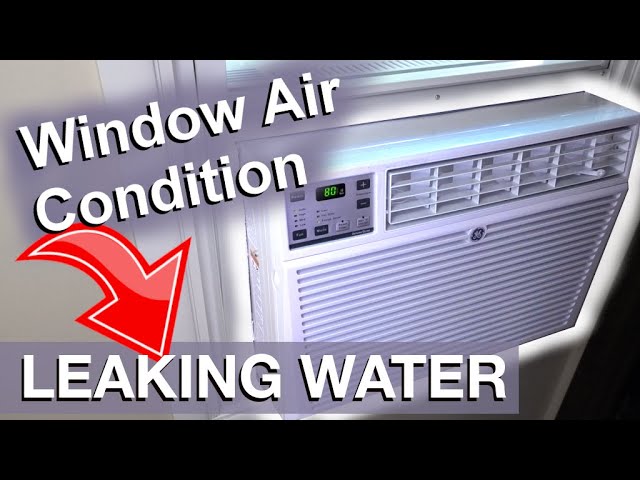
Finding water pooling near your window air conditioner can be frustrating and even alarming. Not only can the dripping water damage your floors, walls, and furniture, but it can also indicate a more significant problem with your AC unit. This guide is designed to help homeowners and beginners understand why their window air conditioner is leaking water and provide simple, step-by-step instructions to troubleshoot and fix the issue. Addressing this problem promptly is crucial to prevent further damage and ensure your AC unit operates efficiently.
Common Causes of Air Conditioner Window Leaking Water
Several factors can contribute to a leaky window air conditioner. Here are some common causes:
- Clogged Drain Hole: This is the most frequent culprit. The drain hole allows condensation to escape outside. When blocked, water accumulates and leaks indoors.
- Improper Installation Angle: Window AC units should be slightly tilted backward to allow water to drain properly. If tilted forward or level, water can leak inside.
- Dirty Air Filter: A dirty air filter restricts airflow, causing the evaporator coil to freeze. When the ice melts, it can overwhelm the drain pan.
- Damaged or Cracked Drain Pan: The drain pan collects condensation. If it’s damaged, water will leak out.
- High Humidity: On particularly humid days, the AC might produce more condensation than it can effectively drain, leading to minor leaks.
- Frozen Evaporator Coils: Low refrigerant levels or poor airflow can cause the evaporator coils to freeze. Melting ice leads to excessive water.
- Broken Seal Around the Unit: If the seal between the AC unit and the window isn’t airtight, outside air can enter, causing more condensation and potential leaks.
- Unit Overcapacity: If the AC unit is too large for the room, it might cool too quickly and not dehumidify effectively, causing excess condensation.
Symptoms Checklist
Use this checklist to accurately identify the problem:
- Water dripping from the front or sides of the unit inside your home.
- A pool of water forming on the floor beneath the AC.
- Excessive condensation on the exterior of the unit.
- Ice forming on the coils inside the unit.
- Unusual noises coming from the AC (gurgling, hissing).
- The AC unit is not cooling the room effectively.
- Visible mold or mildew around the unit.
- Water stains on the wall beneath the AC.
How to Fix Air Conditioner Window Leaking Water Step-by-Step Guide
Follow these steps to troubleshoot and fix a leaky window air conditioner:
- Unplug the AC unit: Before you start any inspection or repair, ensure the unit is unplugged for your safety.
- Inspect the Installation Angle: Use a level to check if the AC unit is tilted slightly backward (towards the outside). Adjust the mounting brackets or shims to achieve the correct angle.
- Clean the Air Filter: Remove the air filter and wash it with mild soap and water. Allow it to dry completely before replacing it.
- Locate the Drain Hole: The drain hole is usually located at the back of the unit, either inside or outside.
- Clear the Drain Hole: Use a straightened paper clip, pipe cleaner, or small wire to carefully clear any debris blocking the drain hole. Gently probe to dislodge any clogs.
- Check the Drain Pan: Inspect the drain pan (usually at the bottom of the unit) for cracks or damage. If you find any damage, you may need to replace the pan eventually (see “When Replacement Might Be Necessary”).
- Inspect the Seals: Check the seal around the AC unit where it meets the window. Ensure it’s tight and secure. If necessary, apply weather stripping or caulk to create a better seal.
- Melt Ice Buildup (If Applicable): If you see ice forming on the coils, turn off the AC and let the ice melt completely. This may take several hours.
- Run the AC on Fan Only: After melting any ice, run the AC on the “fan only” setting for a few hours to dry out the unit.
- Clean the Coils (If Accessible): If you can safely access the coils (consult the AC manual), use a soft brush or vacuum with a brush attachment to remove any dust or debris.
- Reassemble and Test: Reassemble any parts you removed, plug in the AC unit, and turn it on. Monitor the unit for leaks.
- Observe the Water Discharge: Check to ensure water is draining properly from the outside drain hole.
- Monitor Performance: Observe if the cooling performance has improved and if the leaking has stopped.
Fix the Issue Without Buying Parts
Many leaking problems can be resolved without buying new parts:
- Reset the AC: Unplug the AC for 15 minutes, then plug it back in. This can sometimes reset internal sensors and resolve minor issues.
- Deep Cleaning: Regular cleaning of the filter, coils, and surrounding areas can prevent clogs and ice buildup.
- Proper Installation: Ensure the AC is correctly installed with the right tilt.
- Regular Inspection: Periodically inspect the drain hole and seals to prevent future problems.
When Replacement Might Be Necessary
If the drain pan is severely cracked, or internal components are heavily corroded, replacement might be necessary. A new window AC unit typically costs between $150 and $500 USD, depending on the size and features. The drain pan itself could be replaced for around $20-$50 if it’s available as a separate part. However, if the coils or compressor are damaged, replacement of the entire unit is often the most cost-effective solution.
Safety Warning
- Always unplug the AC unit before performing any maintenance or repairs.
- Avoid working with water and electricity simultaneously. Ensure your hands are dry.
- Be careful when using sharp objects to clear the drain hole to avoid puncturing any internal components.
- Avoid spraying water directly into the unit’s electrical components.
- Be mindful of the weight of the unit, especially during installation and removal, to prevent injuries.
Tools You May Need
- Screwdriver (Phillips head and flat head)
- Level
- Paper clip or pipe cleaner
- Soft brush or vacuum with brush attachment
- Mild soap and water
- Weather stripping or caulk (optional)
FAQ
- Q: Why is my AC leaking even after I cleaned the drain hole? A: There might be a blockage further inside the drain line. Try using a longer, more flexible tool to clear it. Also, check for cracks in the drain pan.
- Q: How often should I clean the air filter? A: Clean the air filter every 2-4 weeks, depending on usage and air quality.
- Q: What if the unit is still leaking after all these steps? A: There may be a more serious internal issue, such as a refrigerant leak. In this case, it’s best to consult a qualified HVAC technician.
- Q: Can I use a wet/dry vacuum to clear the drain line? A: Yes, a wet/dry vacuum can be used to suck out any debris blocking the drain line.
Conclusion
Don’t let a leaky window air conditioner dampen your comfort! By following these simple steps, you can often diagnose and fix the problem yourself, saving time and money. Remember to prioritize safety and take your time. If you’ve tried these troubleshooting steps and your AC is still leaking, it might be time to call in a professional. But with a little effort, you can often get your AC back in top shape and enjoy a cool, dry home.
Youtube Video:
Looking for more useful options?
Check out recommended resources that others find helpful.