Introduction
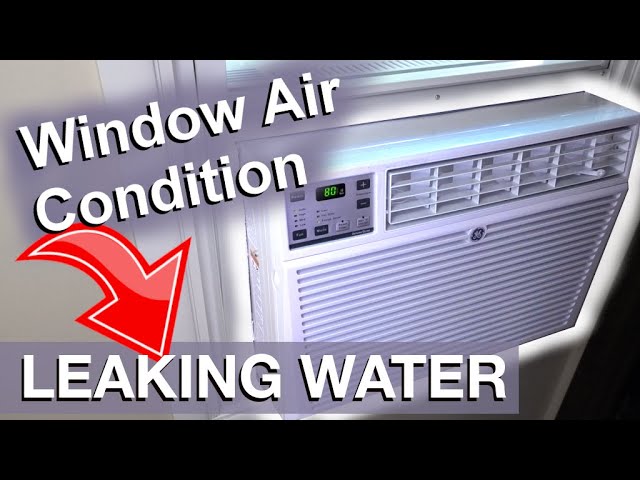
A window air conditioner leaking in front is a common issue that homeowners face, especially during periods of high humidity. This leak isn’t just annoying; it can damage your floors, walls, and even create a breeding ground for mold. Addressing the problem promptly is crucial to prevent further damage and maintain a healthy living environment. Left unattended, a small leak can become a bigger, more expensive repair.
Common Causes of Window Type Aircon Leaking in Front
Here are some of the most frequent reasons why your window AC might be leaking:
- Clogged Drain Hole: This is the most common culprit. The drain hole allows condensation to escape outside. When blocked by dirt, dust, or debris, water backs up and leaks inside.
- Incorrect Installation Angle: Window AC units should be slightly tilted backward (away from the room) to facilitate proper drainage. If installed level or tilted forward, water will leak into your home.
- Dirty Air Filter: A clogged air filter restricts airflow, causing the evaporator coil to freeze. When the ice melts, the resulting water can overwhelm the drainage system.
- Damaged Drain Pan: The drain pan collects condensation before it’s directed to the drain hole. Cracks or holes in the pan will cause leaks.
- High Humidity: Extremely humid conditions can produce more condensation than the AC is designed to handle, leading to overflow.
- Frozen Evaporator Coils: Similar to a dirty air filter, other issues (like low refrigerant) can cause the coils to freeze. The melting ice then leads to a leak.
- Drain Pipe Blockage (If Applicable): Some units use a drain pipe to divert water outside. This pipe can become blocked just like the drain hole.
- Old or Worn Seals: The seals around the unit can deteriorate over time, allowing water to seep through.
Symptoms Checklist
Here’s how to identify if your window AC unit is leaking:
- Visible water dripping from the front of the unit, inside your room.
- Pooling water around the base of the unit.
- Damp or stained areas on the wall or floor near the AC.
- A musty or moldy smell coming from the unit.
- Increased humidity in the room.
- Ice forming on the cooling fins of the unit.
How to Fix Window Type Aircon Leaking in Front Step-by-Step Guide
Follow these steps to troubleshoot and fix the leak:
- Unplug the Air Conditioner: Safety first! Disconnect the power cord from the outlet before you begin any inspection or repair.
- Inspect the Air Filter: Remove the air filter and check for dirt and debris. A dirty filter restricts airflow and can cause ice buildup. Clean or replace the filter if it’s dirty.
- Clean the Air Filter: Washable filters can be cleaned with mild soap and water. Rinse thoroughly and let it dry completely before reinstalling.
- Locate the Drain Hole: The drain hole is usually located at the back of the unit, near the bottom, often accessible from inside the unit.
- Clear the Drain Hole: Use a straightened paperclip, pipe cleaner, or small wire to gently poke and clear any blockages in the drain hole. Be careful not to push debris further in.
- Check the Installation Angle: Ensure the unit is slightly tilted backward, so the back is lower than the front. Use a level to confirm.
- Adjust the Angle: If necessary, use shims (small pieces of wood or cardboard) under the back of the unit to achieve the correct angle.
- Inspect the Drain Pan: Carefully examine the drain pan for any cracks or holes. This may require removing the unit from the window.
- Test the Drainage: Pour a small amount of water into the drain pan and observe if it drains properly through the drain hole.
- Clean the Fins (Optional): Use a fin comb to gently straighten any bent fins on the evaporator coil. Bent fins restrict airflow.
- Run the Air Conditioner: After cleaning and checking, plug the unit back in and turn it on. Observe if the leak has stopped.
- Monitor for Further Leaks: Keep an eye on the unit for a few hours to ensure the leak doesn’t return.
- Consider Humidity Levels: On extremely humid days, consider running the AC on a lower setting or using a dehumidifier in the room.
Fix the Issue Without Buying Parts
Many leaks can be resolved without spending money. Regularly cleaning the air filter, ensuring proper installation angle, and keeping the drain hole clear are crucial preventative measures. A simple reset by unplugging the unit for a few minutes can sometimes resolve minor issues. Visual inspection of the unit for any obvious signs of damage or blockage should be part of your routine maintenance.
When Replacement Might Be Necessary
If you’ve tried all the troubleshooting steps and the leak persists, the drain pan might be severely damaged, or the compressor might be failing. Replacing the entire unit might be the most cost-effective solution in these cases. Window AC units typically cost between $150 and $500 USD, depending on size and features. Common parts that fail and might warrant replacement (though often less economical than replacing the unit) include the compressor, fan motor, or electronic control board.
Safety Warning
- Always unplug the air conditioner before performing any maintenance or repairs.
- Avoid standing in water while working with electrical appliances.
- Be careful when lifting and moving the unit, as it can be heavy.
- Do not attempt to repair the unit if you are not comfortable working with electrical components.
Tools You May Need
- Screwdriver (Phillips and flathead)
- Paperclip or pipe cleaner
- Level
- Shims (wood or cardboard)
- Fin comb (optional)
- Mild soap and water
- Clean cloths
FAQ
Here are some frequently asked questions about leaking window AC units:
- Q: Why is my AC leaking only on humid days? A: High humidity increases condensation, which can overwhelm the drainage system.
- Q: How often should I clean my air filter? A: At least once a month, or more often if you have pets or allergies.
- Q: Can I use bleach to clean the drain hole? A: It’s generally not recommended, as bleach can damage the plastic components. Stick to using a paperclip or pipe cleaner.
- Q: What if I can’t reach the drain hole from inside the unit? A: You may need to carefully remove the unit from the window to access the drain hole from the back.
Conclusion
Don’t let a leaking window AC unit ruin your comfort! By following these troubleshooting steps, you can often identify and fix the problem yourself, saving money and preventing further damage. If the leak persists after trying these solutions, it might be time to consult a qualified technician. Good luck!
Youtube Video:
Looking for more useful options?
Check out recommended resources that others find helpful.