Introduction
A noisy washing machine drum can be incredibly annoying and often signals an underlying problem that needs attention. This isn’t just about the irritating sounds; a noisy drum can indicate wear and tear that, if left unchecked, can lead to more significant and costly repairs down the line. Common situations include excessive banging during the spin cycle, grinding noises when the drum turns, or squealing sounds. Addressing this issue promptly is crucial to prevent further damage and extend the life of your washing machine. Let’s get to work and see what’s making all that racket!
Common Causes of noisy drum on washing machine
Here are some common culprits behind a noisy washing machine drum:
- Loose Items: Small objects like coins, buttons, or even socks can get stuck between the drum and the outer tub, causing noise.
- Overloading: Putting too many clothes in a single load can strain the drum and its components, leading to unusual sounds.
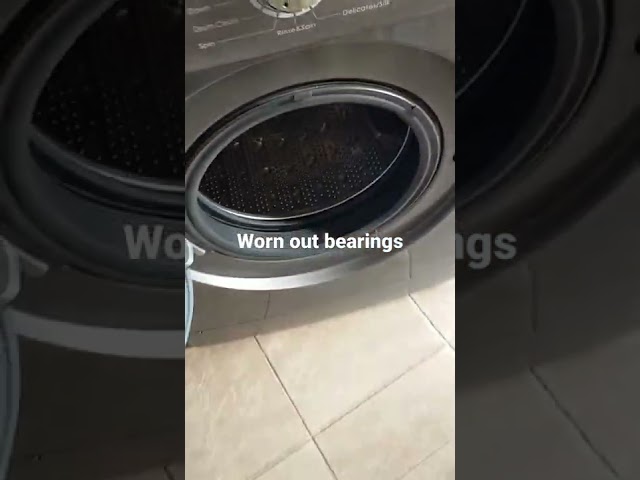
- Worn Drum Bearings: These bearings allow the drum to rotate smoothly. When they wear out, they can create grinding or rumbling noises.
- Damaged Drum Spider: The drum spider connects the drum to the motor shaft. If it’s cracked or broken, it can cause the drum to wobble and make noise.
- Faulty Shock Absorbers/Dampers: These parts dampen the vibrations of the drum during the spin cycle. If they’re failing, the machine can shake violently and make loud noises.
- Unbalanced Load: Clothes clumped on one side of the drum can create an unbalanced load, leading to excessive shaking and noise.
- Foreign Objects in the Pump: Although not directly related to the drum, objects in the drain pump can cause vibrations that seem to originate from the drum area.
- Worn Drive Belt: In some washing machine models, a worn or loose drive belt can cause squealing or slipping noises, which can be mistaken for drum-related issues.
Symptoms Checklist
Use this checklist to pinpoint the exact nature of the problem:
- Banging or thumping noises during the spin cycle.
- Grinding or rumbling sounds when the drum rotates.
- Squealing or screeching noises.
- Excessive vibration or shaking of the entire machine.
- The drum feels loose or wobbly when you try to move it by hand (when the machine is off).
- The machine is louder than usual during operation.
- You can see the drum visibly moving off-center during a cycle.
How to Fix noisy drum on washing machine Step-by-Step Guide
Follow these steps to troubleshoot and potentially fix the noisy drum:
- Unplug the Washing Machine: Always disconnect the power before attempting any repairs.
- Check for Loose Items: Reach into the drum and feel around the bottom and sides for any small objects. Also, inspect the rubber seal around the door for trapped items.
- Inspect the Drum for Obstructions: Use a flashlight to look between the drum and the outer tub for any visible obstructions.
- Test the Drum’s Movement: With the machine unplugged, manually rotate the drum. Listen for any grinding or unusual noises.
- Check the Machine’s Level: Use a level to ensure the washing machine is sitting evenly on the floor. Adjust the legs as needed to level it.
- Examine the Shock Absorbers/Dampers: Look for any signs of damage or leakage on the shock absorbers. These are usually located at the bottom of the machine. (This may require removing an access panel.)
- Inspect the Drum Spider (Advanced): This is a more involved step and may require disassembling parts of the machine. Look for cracks or breaks in the drum spider that connects the drum to the motor shaft.
- Check the Drive Belt (If Applicable): If your machine uses a belt, inspect it for wear, cracks, or looseness.
- Clean the Drain Pump Filter: Remove and clean the drain pump filter to ensure there are no obstructions causing vibrations. (Refer to your user manual for the filter location).
- Run a Test Cycle with No Clothes: After performing the above checks, run a short cycle with no clothes to see if the noise persists.
- Try a Different Load Size: Experiment with smaller or larger loads to see if the noise is related to load size.
- Distribute the Load Evenly: Make sure to distribute clothes evenly inside the drum to prevent unbalanced loads.
- Consult Your User Manual: Your user manual may contain specific troubleshooting steps for your model.
Fix the Issue Without Buying Parts
Before considering replacement parts, try these solutions:
- Reset the Machine: Unplug the washing machine for 5 minutes, then plug it back in. This can sometimes resolve minor electronic glitches.
- Clean the Drum: Run an empty cycle with a washing machine cleaner or a mixture of baking soda and vinegar to remove buildup that could be causing noise.
- Recalibrate (If Applicable): Some washing machines have a recalibration mode. Refer to your user manual for instructions.
- Thorough Inspection: Carefully inspect every part you can access without disassembling the machine for signs of damage or wear.
- Regular Maintenance: Clean the lint trap and wipe down the drum regularly to prevent future issues.
When Replacement Might Be Necessary
If the noise persists after trying all the above steps, replacement of certain parts might be necessary. Here are some possibilities:
- Drum Bearings: If the bearings are severely worn, they will need to be replaced. Expect to pay between $100 and $300 for this repair, including labor.
- Shock Absorbers/Dampers: If these are damaged, replacing them is relatively inexpensive, typically ranging from $50 to $150, including labor.
- Drum Spider: A damaged drum spider can be a costly repair, potentially ranging from $200 to $400, including labor.
Safety Warning
- Always unplug the washing machine before attempting any repairs.
- Avoid working on electrical components if you’re not comfortable with basic electrical safety.
- Be careful when lifting or moving the washing machine, as it can be heavy.
- Clean up any spills immediately to prevent slips and falls.
- If you are uncomfortable with any of these steps, consult a qualified appliance repair technician.
Tools You May Need
- Screwdrivers (Phillips and flathead)
- Pliers
- Adjustable wrench
- Level
- Flashlight
- Gloves
FAQ
Here are some frequently asked questions:
- Q: Why is my washing machine so loud during the spin cycle? A: It could be due to an unbalanced load, worn drum bearings, or failing shock absorbers.
- Q: What does it mean if my washing machine is making a grinding noise? A: This usually indicates worn drum bearings or a damaged drum spider.
- Q: Can I fix a noisy washing machine myself? A: Yes, many common issues can be resolved with basic troubleshooting and simple repairs.
- Q: How often should I clean my washing machine? A: It’s recommended to clean your washing machine at least once a month to prevent buildup and odors.
- Q: Is it safe to run a washing machine that is making a lot of noise? A: It’s best to avoid running the machine until you’ve identified and addressed the source of the noise to prevent further damage.
Conclusion
A noisy washing machine drum can be a frustrating problem, but with a little patience and these troubleshooting steps, you can often identify and resolve the issue yourself. Remember to prioritize safety and consult your user manual for specific instructions for your model. If you’ve tried these steps and the noise persists, it might be time to call in a qualified appliance repair technician. Don’t give up you’ve got this!
Youtube Video:
Looking for more useful options?
Check out recommended resources that others find helpful.