Introduction
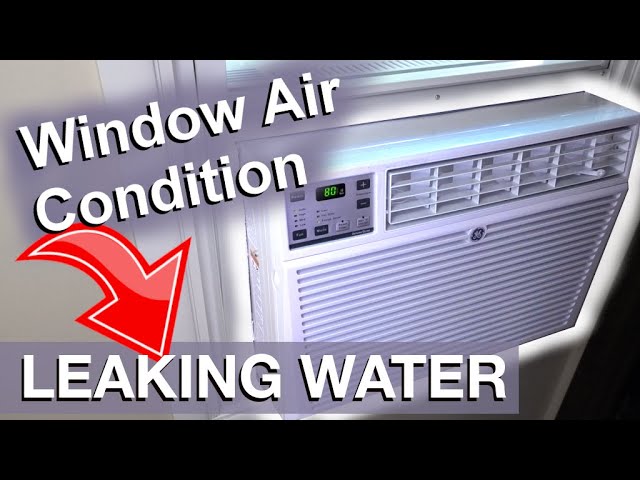
A window AC unit leaking water inside your home can be a frustrating and potentially damaging problem. It usually means your AC isn’t draining properly, leading to water buildup and overflow. This not only creates a mess but can also damage your floors, walls, and furniture. It’s common to see this happen during periods of high humidity or when the AC is working overtime. Addressing the leak quickly is important to prevent further damage and mold growth. Don’t ignore the drip! Let’s figure out why your window AC unit is leaking and how to fix it.
Common Causes of Window AC Unit Leaking Water Inside
Here are some typical reasons why your window AC unit might be leaking water inside your home:
- Clogged Drainpipe: This is the most common cause. Dirt, dust, and debris can block the drainpipe, preventing water from escaping.
- Dirty Air Filter: A clogged air filter restricts airflow, causing the evaporator coil to freeze. When the ice melts, it overwhelms the drainage system.
- Incorrect Installation Angle: Window AC units should be slightly tilted outwards to allow water to drain properly. If it’s tilted inwards, water will leak inside.
- Damaged Drain Pan: The drain pan collects condensation. If it’s cracked or damaged, water will leak through.
- Frozen Evaporator Coils: Low refrigerant or poor airflow can cause the evaporator coils to freeze. The melting ice leads to excessive water.
- High Humidity: Extremely humid conditions can create more condensation than the unit is designed to handle.
- Drainpipe Disconnection: The drainpipe might have become disconnected, leading the water to drip freely into your home.
- Debris in the Unit: Leaves or other debris can get inside the unit and block the drainage path.
Symptoms Checklist
Look for these signs to confirm if your window AC unit is leaking:
- Visible water dripping from the front, back, or sides of the unit.
- Water pooling on the floor near the AC unit.
- Dampness or water stains on the wall beneath the unit.
- A musty or moldy smell coming from the AC unit.
- The AC unit is making unusual gurgling or sloshing sounds.
- Reduced cooling performance.
- Ice forming on the coils visible through the vents.
How to Fix Window AC Unit Leaking Water Inside Step-by-Step Guide
Follow these steps to troubleshoot and fix a leaking window AC unit:
- Unplug the AC Unit: For your safety, always disconnect the power before working on the AC unit.
- Inspect the Installation Angle: Ensure the unit is slightly tilted outwards. Use a level to check. Adjust if necessary by shimming the back of the unit.
- Clean the Air Filter: Remove the air filter and wash it with mild soap and water. Let it dry completely before re-installing.
- Locate the Drainpipe: This is usually a small opening at the back or bottom of the unit.
- Clear the Drainpipe: Use a straightened paperclip, pipe cleaner, or small wire to gently poke inside the drainpipe and dislodge any clogs.
- Vacuum the Drainpipe: Use a vacuum cleaner with a hose attachment to suck out any debris from the drainpipe.
- Flush the Drainpipe: Use a small amount of warm water to flush out any remaining debris. Observe if the water drains freely.
- Check the Drain Pan: Carefully remove the AC unit’s outer casing (if you feel comfortable doing so if not, skip this step). Inspect the drain pan for cracks or damage. If you find cracks, you might need to seal it with waterproof tape as a temporary solution.
- Melt Ice Buildup: If you see ice forming on the coils, turn off the AC and let it thaw completely. You can speed this up with a hairdryer on a low setting, keeping it a safe distance from the coils.
- Reassemble the AC Unit (if disassembled): Carefully put the outer casing back on, ensuring all parts are properly aligned.
- Plug in the AC Unit: Turn the AC unit back on and monitor it for leaks.
- Run the AC on Fan Only: After clearing the drain, run the unit on fan only for an hour to dry out any remaining moisture.
- Monitor for Recurrence: Keep an eye on the unit over the next few days to ensure the leak doesn’t return.
- Check for Air Leaks Around the Unit: Seal any gaps around the AC unit with weather stripping or caulk to improve efficiency and prevent moisture buildup.
Fix the Issue Without Buying Parts
Often, a simple cleaning and adjustment can resolve the issue without spending any money:
- Reset the Unit: Unplug the AC unit for 15 minutes, then plug it back in. This can sometimes reset the internal controls and resolve minor issues.
- Thorough Cleaning: Regularly clean the air filter (every 2-4 weeks) and the exterior of the unit to prevent dust buildup.
- Re-evaluate Installation: Double-check the installation angle and ensure the unit is securely mounted.
- Inspect Exterior Vents: Make sure the exterior vents are free from obstructions like leaves or bird nests.
- Maintenance Routine: Schedule a regular cleaning routine, especially before and after peak cooling season.
When Replacement Might Be Necessary
If the drain pan is severely damaged or the evaporator coils are corroded beyond repair, replacing the unit might be the best option. Also, if the unit is very old and inefficient, a new model might save you money on energy bills. New window AC units can range from $150 to $500 USD, depending on size and features. Common parts that fail include the compressor, fan motor, and control board.
Safety Warning
- Always unplug the AC unit before performing any maintenance or repairs.
- Avoid contact with water while the unit is plugged in.
- Be careful when working with sharp objects or tools.
- Clean up any water spills immediately to prevent slips and falls.
- If you’re uncomfortable with any of these steps, consult a qualified technician.
Tools You May Need
- Screwdriver
- Paperclip or pipe cleaner
- Vacuum cleaner with hose attachment
- Level
- Mild soap and water
- Clean cloths or paper towels
- Waterproof tape (optional)
FAQ
Here are some frequently asked questions about window AC unit leaks:
- Q: Why is my AC leaking even after I cleaned the filter? A: There may still be a clog in the drainpipe, or the unit might not be angled correctly.
- Q: How often should I clean my AC filter? A: Ideally, clean it every 2-4 weeks, or more often if you have pets or allergies.
- Q: Can a leaking AC unit cause mold? A: Yes, excess moisture can create a breeding ground for mold. Address leaks promptly.
- Q: Is it normal for a window AC to drip outside? A: Yes, it’s normal for condensation to drip outside. However, excessive dripping inside is a problem.
- Q: My AC is freezing up. Is that why it’s leaking? A: Possibly. Frozen coils melt and the water can overflow the pan. Try cleaning the filter first.
Conclusion
Fixing a leaking window AC unit can often be a simple DIY project. By following these steps, you can diagnose the problem and potentially solve it without the expense of a professional repair. However, if you’re uncomfortable with any of these steps or the problem persists, don’t hesitate to contact a qualified HVAC technician. Addressing the issue promptly will prevent further damage and keep your home cool and comfortable.
Youtube Video:
Looking for more useful options?
Check out recommended resources that others find helpful.