Introduction
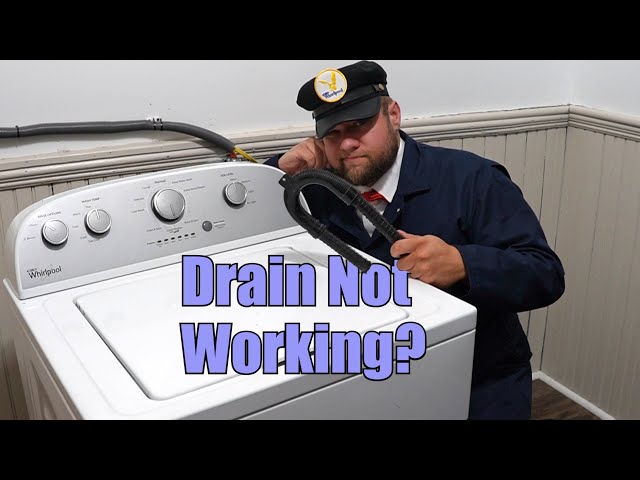
A Whirlpool washer that won’t drain properly is a common and frustrating problem. Instead of clean, fresh clothes, you’re left with a tub full of water, leaving your laundry routine on hold. This issue needs to be addressed quickly, as standing water can lead to mold growth, unpleasant odors, and potential damage to your washing machine and surrounding area. This guide will walk you through simple steps to diagnose and fix the drain problem yourself.
Common Causes of Whirlpool Washer Drain Problem
Here are several common reasons why your Whirlpool washer might be experiencing drain issues:
- Clogged Drain Hose: The drain hose carries water from the washer to your drainpipe. If it’s kinked, twisted, or blocked with lint or debris, water can’t flow freely.
- Clogged Drainpipe: The drainpipe connected to your home’s plumbing can become clogged with hair, soap scum, or other materials, preventing the washer from draining.
- Faulty Drain Pump: The drain pump is responsible for pushing water out of the washer. If the pump is damaged or malfunctioning, it may not be able to drain the water effectively.
- Clogged Pump Filter: Many Whirlpool washers have a filter that catches lint and debris before they reach the drain pump. A clogged filter can restrict water flow.
- Obstructed Coin Trap: Some models have a coin trap designed to catch small items. This trap can become clogged, hindering drainage.
- Air Lock in the Drain Hose: An air lock can occur when air gets trapped in the drain hose, creating a vacuum that prevents water from draining.
- Lid Switch Malfunction: Some washers require the lid to be closed to engage the drain cycle. If the lid switch is faulty, the washer may not drain.
- Defective Water Level Sensor: If the water level sensor is not working correctly, it might not signal the washer to start the draining process.
Symptoms Checklist
Look for these indicators to accurately identify the drainage issue:
- Washer tub remains full of water after the wash cycle.
- Washer makes a humming or grinding noise but doesn’t drain.
- Error code related to draining appears on the washer’s display.
- Draining takes an unusually long time.
- Water drains slowly or only partially.
How to Fix Whirlpool Washer Drain Problem Step-by-Step Guide
Follow these steps to troubleshoot and fix your Whirlpool washer’s draining problem:
- Unplug the Washer: For your safety, disconnect the power cord from the electrical outlet before beginning any repairs.
- Check the Drain Hose: Inspect the drain hose for kinks, twists, or blockages. Straighten out any kinks and remove any visible debris.
- Detach and Clean the Drain Hose: Disconnect the drain hose from both the washer and the drainpipe. Flush it out with water to remove any remaining debris. You can use a garden hose for this.
- Inspect the Drainpipe: Ensure the drainpipe isn’t clogged. You can use a plumbing snake or a straightened coat hanger to clear any blockages.
- Locate the Drain Pump Filter: Consult your washer’s manual to find the location of the drain pump filter. It’s usually located at the front bottom corner of the machine.
- Clean the Drain Pump Filter: Remove the filter cover (be prepared for some water to spill) and clean the filter thoroughly. Remove any lint, hair, or other debris.
- Check for Obstructions in the Pump Housing: With the filter removed, carefully inspect the pump housing for any visible obstructions. Remove any debris you find.
- Check the Coin Trap (If Applicable): If your washer has a coin trap, locate it and clean it out. These are often near the pump filter.
- Address Air Lock: Place the end of the drain hose in a bucket lower than the washer. Start a drain cycle to see if this helps dislodge an air lock.
- Check the Lid Switch: Open and close the washer lid several times to ensure the lid switch is functioning properly.
- Reconnect the Drain Hose: Reattach the drain hose securely to both the washer and the drainpipe.
- Plug in the Washer: Reconnect the power cord to the electrical outlet.
- Run a Test Cycle: Select a short wash cycle and observe whether the washer drains properly.
- Check for Leaks: Inspect all connections and the floor around the washer for leaks during and after the test cycle.
Fix the Issue Without Buying Parts
Before resorting to replacements, try these free methods:
- Reset the Washer: Unplug the washer for 1-2 minutes and then plug it back in. This can sometimes reset the control board and resolve minor issues.
- Regular Cleaning: Regularly clean the drain pump filter (every 1-3 months) to prevent clogs.
- Proper Drain Hose Placement: Ensure the drain hose is not inserted too far into the drainpipe, as this can create a siphoning effect.
When Replacement Might Be Necessary
If you’ve tried all the troubleshooting steps and your Whirlpool washer still isn’t draining, you might need to consider replacing certain parts. The drain pump is a common culprit and typically costs between $50 and $150 USD. Lid switches usually range from $20 to $50 USD. A water level sensor can cost around $30-$75. These costs are estimated and may vary based on your location and model.
Safety Warning
- Always unplug the washer before performing any repairs.
- Be careful when handling water, as wet floors can be slippery.
- If you’re unsure about any of the steps, consult a qualified appliance repair technician.
Tools You May Need
- Screwdrivers (Phillips and flathead)
- Pliers
- Bucket
- Plumbing snake or straightened coat hanger
- Towels
FAQ
Q: Why is my washer making a humming noise but not draining?A: This usually indicates a problem with the drain pump, such as an obstruction or a failing motor.
Q: How often should I clean the drain pump filter?A: It’s recommended to clean the drain pump filter every 1-3 months, depending on how frequently you use your washer.
Q: What if my washer displays an error code related to draining?A: Consult your washer’s manual to identify the meaning of the error code and follow the recommended troubleshooting steps.
Q: Can I use a chemical drain cleaner to unclog my washer’s drainpipe?A: It’s generally not recommended to use chemical drain cleaners in washing machines, as they can damage the internal components. Try using a plumbing snake instead.
Conclusion
Troubleshooting a Whirlpool washer drain problem can seem daunting, but by following these simple steps, you can often resolve the issue yourself. Remember to prioritize safety and take your time. If you’ve exhausted all troubleshooting options and the problem persists, don’t hesitate to contact a qualified appliance repair technician.
Youtube Video:
Looking for more useful options?
Check out recommended resources that others find helpful.