Introduction
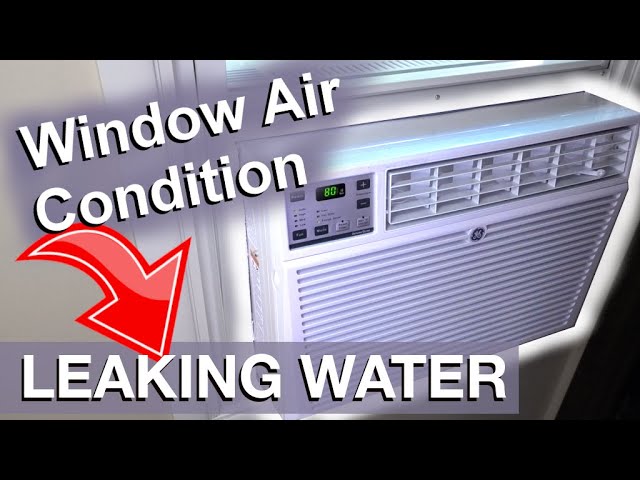
Finding water inside your window air conditioning unit can be concerning. It’s a sign that something isn’t working as it should, potentially leading to reduced cooling efficiency, mold growth, or even damage to the unit and your home. This guide will help you understand why your window AC unit has water in it and provide simple steps to fix the problem. Addressing this issue quickly can save you money on repairs and prevent further complications.
Common Causes of window ac unit has water in it
Here are some common reasons why water might be accumulating inside your window AC unit:
- Clogged Drain Hole: This is the most frequent culprit. The drain hole is designed to let condensation escape, but it can easily get blocked by dust, debris, or even mold.
- Improper Installation Angle: Window AC units should be slightly tilted outwards to allow water to drain properly. If it’s installed level or tilted inwards, water will pool inside.
- Dirty Air Filter: A clogged air filter restricts airflow, causing the evaporator coil to get too cold and ice up. When the ice melts, it creates excess water.
- Low Refrigerant: While less common, low refrigerant can also cause the evaporator coil to freeze. This melting ice becomes excess water.
- High Humidity: On very humid days, the unit may simply be working overtime, producing more condensation than it can efficiently drain.
- Damaged Drain Pan: The drain pan itself might be cracked or damaged, preventing it from holding and directing water to the drain hole.
- Kinked or Blocked Drain Hose (if applicable): Some units use a drain hose; kinks or blockages can cause backup.
- Faulty Fan Motor: If the fan isn’t working correctly, it can affect the cooling process and lead to ice buildup, which then melts into water.
Symptoms Checklist
Look for these signs to confirm if water accumulation is a problem:
- Visible water pooling inside the unit.
- Water dripping from the front or sides of the AC unit.
- Unusual noises, such as gurgling or sloshing sounds.
- Reduced cooling performance.
- Musty or moldy odors.
How to Fix window ac unit has water in it Step-by-Step Guide
Follow these steps to troubleshoot and fix the water issue:
- Unplug the AC Unit: Safety first! Disconnect the power cord from the outlet before you begin any work.
- Inspect the Installation: Check if the unit is tilted slightly outwards. Use a level to ensure a gentle downward slope. If not, adjust the mounting brackets.
- Clean the Air Filter: Remove the air filter (usually located at the front of the unit). Wash it with mild soap and water, rinse thoroughly, and let it dry completely before reinstalling.
- Locate the Drain Hole: This is usually at the back or bottom of the unit. Consult your owner’s manual if you’re unsure where it is.
- Clear the Drain Hole: Use a straightened paperclip, pipe cleaner, or small wire to gently poke into the drain hole and remove any obstructions. Be careful not to puncture anything.
- Flush the Drain Hole: Use a syringe or small bottle to gently flush the drain hole with warm water. This will help dislodge any remaining debris.
- Check the Drain Pan: Inspect the drain pan (the tray at the bottom of the unit) for cracks or damage. If it’s cracked, you may need to replace it (though try the other fixes first).
- Inspect the Drain Hose (if applicable): If your unit has a drain hose, check it for kinks, clogs, or disconnections. Straighten any kinks and clear any blockages with a garden hose or wire.
- Clean the Evaporator Coils: Carefully vacuum the evaporator coils (the metal fins you see when you remove the air filter) to remove dust and debris. A soft brush attachment is helpful.
- Reassemble and Test: Once everything is clean and clear, reassemble the unit, plug it back in, and turn it on. Monitor it for a few hours to see if the water problem is resolved.
- Run on Fan Only: After running for a while on cool, run it on fan only for 30 minutes to dry out the internal parts.
Fix the Issue Without Buying Parts
Often, you can resolve the water issue without spending any money:
- Regular Cleaning: Clean your air filter monthly, or more frequently if you live in a dusty environment.
- Proper Installation: Ensure the unit is properly tilted outwards.
- Routine Drain Hole Check: Periodically check and clear the drain hole to prevent blockages.
- Inspect for Mold: Keep an eye out for mold growth inside the unit and clean it promptly. Use a mild bleach solution (diluted with water) for cleaning, being careful to avoid electrical components.
When Replacement Might Be Necessary
If you’ve tried all the troubleshooting steps and the water problem persists, you might need to consider replacing the unit. This is especially true if the drain pan is severely damaged or if the unit is old and inefficient. New window AC units typically range from $150 to $500 USD, depending on the size and features. Common parts that might fail include the compressor (expensive to replace), the fan motor, and the electronic control board.
Safety Warning
Follow these safety precautions when working on your AC unit:
- Always unplug the unit from the power outlet before starting any work.
- Avoid working on the unit while standing on a wet floor.
- Be careful when handling sharp tools or objects inside the unit.
- Do not attempt to repair or replace any internal components if you are not comfortable doing so. Call a qualified technician instead.
Tools You May Need
Here’s a list of basic tools you might find helpful:
- Screwdriver (Phillips and flathead)
- Level
- Paperclip, pipe cleaner, or small wire
- Syringe or small bottle
- Vacuum cleaner with soft brush attachment
- Mild soap and water
- Bleach (for mold cleaning, use diluted)
FAQ
Here are some frequently asked questions about water in window AC units:
- Q: Why is my AC unit dripping water outside? A: This is normal on humid days. The AC is removing moisture from the air, and the condensation drips out.
- Q: Is it dangerous if water drips inside my house? A: Yes, it can damage your floors and walls and promote mold growth. Address the problem immediately.
- Q: How often should I clean my window AC unit? A: Clean the air filter monthly and inspect the drain hole and coils at least twice a year.
- Q: Can low refrigerant cause water inside the unit? A: Yes, low refrigerant can cause the evaporator coil to freeze, and the melting ice turns into water. However, this is a less common cause.
Conclusion
Dealing with water inside your window AC unit can seem daunting, but with a little patience and this guide, you can likely fix the problem yourself. Remember to prioritize safety and take your time. If you’ve tried all these steps and the issue persists, it might be time to call a qualified HVAC technician. Don’t be afraid to give it a shot you might save yourself some money and learn a valuable skill!
Youtube Video:
Looking for more useful options?
Check out recommended resources that others find helpful.