Introduction
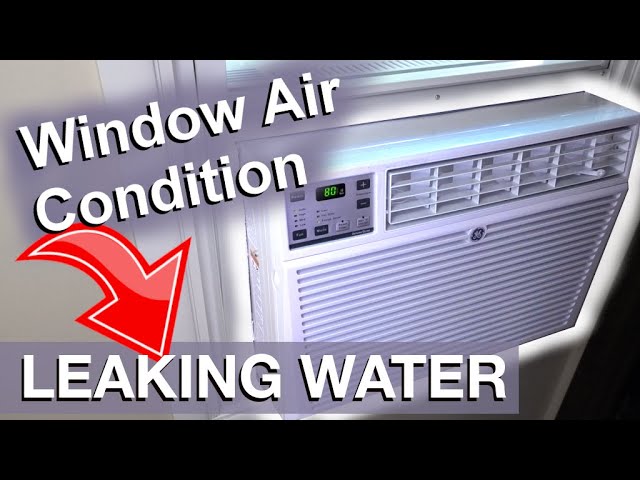
A leaking window air conditioner can be a real headache, especially during hot weather. Not only is it annoying to deal with dripping water, but it can also cause damage to your floors and walls. The “window ac leaking water from bottom” issue is a common one, and it’s often caused by simple problems you can fix yourself. Ignoring the leak can lead to mold growth, structural damage, and even a more expensive repair down the line. So, let’s get this fixed quickly!
Common Causes of Window AC Leaking Water from Bottom
Here are some of the most frequent reasons why your window AC might be leaking:
- Clogged Drainpipe: The most common culprit. Debris like dust, dirt, and insects can block the drainpipe, preventing water from escaping.
- Dirty Air Filter: A clogged air filter restricts airflow, causing the cooling coil to freeze up. When the ice melts, it creates excess water.
- Improper Installation Angle: Window ACs are designed to slightly tilt downwards, allowing water to drain outside. If it’s level or tilted inwards, water will leak inside.
- High Humidity: In very humid conditions, the AC has to work harder to remove moisture from the air, resulting in more condensation.
- Damaged Drain Pan: The drain pan collects condensation. If it’s cracked or damaged, it won’t hold water properly.
- Frozen Evaporator Coils: Like a dirty filter, frozen coils can lead to excessive water when they thaw. This is often caused by low refrigerant or a malfunctioning fan.
- Damaged Seal: The seal between the AC unit and the window frame may be damaged, allowing rain or condensation to seep in.
- Overcooling: Setting the thermostat too low can cause the unit to overwork and produce excessive condensation.
Symptoms Checklist
Check these indicators to confirm the issue:
- Water dripping from the bottom of the AC unit (inside the house).
- Water stains on the wall or floor beneath the AC.
- Excessive moisture around the AC unit.
- Ice buildup on the cooling coils (visible when you remove the filter).
- Musty odor coming from the AC unit.
- Unusually loud running noises from the unit.
How to Fix Window AC Leaking Water from Bottom Step-by-Step Guide
Follow these steps to troubleshoot and fix the leak:
- Unplug the AC: For safety, always disconnect the AC unit from the power outlet before starting any repairs.
- Remove the Air Filter: Locate and remove the air filter. This is usually at the front of the unit.
- Clean the Air Filter: Wash the filter with mild soap and water. Let it dry completely before putting it back.
- Inspect the Drainpipe: Locate the drainpipe at the back of the unit (usually on the outside).
- Clear the Drainpipe: Use a stiff wire, pipe cleaner, or even a wet/dry vacuum to remove any blockages. Gently poke or suction out any debris.
- Check the Installation Angle: Ensure the AC unit is slightly tilted downwards towards the outside. Use shims (small pieces of wood or plastic) to adjust the angle if necessary.
- Inspect the Drain Pan: Carefully remove the AC’s outer casing (refer to your owner’s manual). Inspect the drain pan for cracks or damage.
- Clean the Drain Pan: If the drain pan is accessible, clean it out with a damp cloth to remove any buildup.
- Thaw Frozen Coils: If you see ice on the coils, turn off the AC and let it thaw completely. You can speed up the process with a hairdryer (on a low setting).
- Reassemble the AC: Put the casing back on the AC unit.
- Plug in the AC: Reconnect the AC to the power outlet.
- Monitor for Leaks: Observe the AC for several hours to see if the leak has stopped.
- Check the Seal: Inspect the seal between the AC and the window frame. Replace or repair it with weather stripping if needed.
- Adjust Thermostat: Avoid setting the thermostat too low. A moderate setting is more efficient and reduces condensation.
Fix the Issue Without Buying Parts
Here are some free and simple solutions:
- Reset the AC: Unplug the AC for 15 minutes and then plug it back in. This can sometimes reset the system and resolve minor issues.
- Regular Cleaning: Clean the air filter every month to prevent clogs and maintain optimal airflow.
- Proper Angle: Double-check the installation angle regularly, especially after storms or window adjustments.
- Inspect for Debris: Periodically check the drainpipe for any visible obstructions.
- Maintenance: Keep the area around the AC unit clean to prevent debris from entering the unit.
When Replacement Might Be Necessary
If you’ve tried all the troubleshooting steps and the leak persists, it might be time to consider a replacement. The drain pan, compressor, or coils could be severely damaged, making repair uneconomical. Replacement costs can range from $150 to $500+ USD, depending on the size and features of the unit. Common parts that fail and could necessitate replacement include the compressor and the evaporator coils.
Safety Warning
- Always unplug the AC unit before attempting any repairs.
- Avoid touching any electrical components with wet hands.
- Be careful when working on a ladder to reach the AC unit.
- Clean up any spilled water to prevent slips and falls.
- If you are uncomfortable with any of these steps, call a qualified technician.
Tools You May Need
- Screwdriver (Phillips and flathead)
- Pliers
- Stiff wire or pipe cleaner
- Wet/dry vacuum (optional)
- Weather stripping (if replacing the seal)
- Shims (for adjusting the angle)
- Mild soap and water
- Damp cloth
FAQ
Here are some frequently asked questions:
- Q: Why is my AC leaking even after I cleaned the filter? A: The drainpipe might still be clogged, or the installation angle could be incorrect.
- Q: How do I know if my drain pan is cracked? A: Carefully inspect the drain pan for visible cracks or holes. You might see water dripping directly from the pan.
- Q: Can low refrigerant cause a leak? A: Low refrigerant can cause the coils to freeze, leading to excessive water when they thaw.
- Q: Is it dangerous to use a leaking AC? A: Yes, the water can damage your walls and floors, and the moisture can promote mold growth, which can be harmful to your health.
- Q: How often should I clean my window AC? A: Clean the air filter monthly and inspect the unit at least twice a year.
Conclusion
Don’t let a “window ac leaking water from bottom” ruin your summer. By following these steps, you can often diagnose and fix the problem yourself, saving time and money. Remember to prioritize safety and take your time. If you’ve tried everything and the leak persists, don’t hesitate to call a qualified HVAC technician for professional assistance. Good luck!
Youtube Video:
Looking for more useful options?
Check out recommended resources that others find helpful.