Introduction
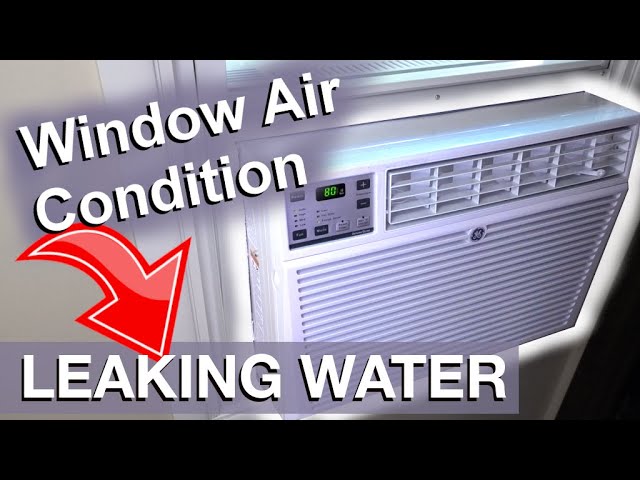
A window AC unit dripping water outside is a common problem that many homeowners face. While a little condensation is normal, excessive leaking indicates an underlying issue. This can range from a simple clog to a more serious malfunction. Addressing the leak promptly is crucial. Excessive water can damage your siding, create slippery conditions, and potentially lead to mold growth. Ignoring the problem can also cause further damage to your AC unit, leading to costly repairs. This guide will help you diagnose and fix the problem yourself, saving you time and money.
Common Causes of Window AC Leaking Outside
Here are several reasons why your window AC might be leaking outside:
- Clogged Drain Hole: This is the most frequent cause. Dust, dirt, and debris can accumulate in the drain hole, preventing water from escaping properly.
- Dirty Air Filter: A clogged air filter restricts airflow, causing the evaporator coil to freeze. As the ice melts, it overwhelms the drainage system.
- Incorrect Installation Angle: Window AC units should be slightly tilted downwards towards the outside to allow proper drainage. An incorrect angle can cause water to pool and leak.
- Damaged Drain Pan: The drain pan collects condensation. Cracks or damage can cause water to leak out.
- Freezing Coils: As mentioned above, restricted airflow or low refrigerant levels can cause the evaporator coils to freeze. Melting ice results in excessive water.
- High Humidity: Extremely humid conditions can lead to increased condensation, potentially exceeding the unit’s drainage capacity.
- Debris Obstruction: Leaves, twigs, or other debris can block the drain outlet on the outside of the unit.
- Drain Tube Issues: Some ACs have a drain tube. If it’s kinked, blocked or disconnected, leaks will occur.
Symptoms Checklist
Use this checklist to confirm if you have a leaking AC issue:
- Excessive water dripping from the back or sides of the AC unit.
- Puddles of water forming beneath the AC unit outside.
- Visible ice buildup on the evaporator coils (behind the air filter).
- A musty odor coming from the AC unit.
- Reduced cooling performance.
- Unusual noises coming from the AC unit (gurgling, hissing).
How to Fix Window AC Leaking Outside Step-by-Step Guide
Follow these steps to troubleshoot and fix your leaking window AC:
- Unplug the AC Unit: Always disconnect the power before working on any electrical appliance. Safety first!
- Remove the AC Unit from the Window (if safe and manageable): This will make it easier to inspect and clean. If it’s too heavy, proceed with caution.
- Inspect the Drain Hole: Locate the drain hole (usually at the back of the unit). Use a straightened paperclip, pipe cleaner, or small screwdriver to gently clear any blockages.
- Clean the Air Filter: Remove the air filter and wash it with mild soap and water. Allow it to dry completely before reinstalling.
- Check the Installation Angle: Ensure the AC unit is slightly tilted downwards towards the outside. Use shims or small pieces of wood if needed to adjust the angle.
- Inspect the Drain Pan: Look for any cracks or damage to the drain pan. If you find cracks, you may need to consider replacement (see section below).
- Defrost Frozen Coils (if applicable): If you suspect frozen coils, turn off the AC and let it sit for several hours to allow the ice to melt completely. You can speed up the process with a hairdryer on a low setting, held at a safe distance.
- Clean the Exterior Drain Outlet: Inspect the outside of the AC unit for any debris blocking the drain outlet. Remove any leaves, twigs, or other obstructions.
- Inspect the Drain Tube (if applicable): Check the drain tube for kinks, clogs, or disconnections. Straighten any kinks and clear any blockages. Reconnect the tube if necessary.
- Reinstall the AC Unit (if removed): Securely place the AC unit back in the window, ensuring a snug fit.
- Plug in the AC Unit: Reconnect the power cord.
- Run the AC Unit: Observe the AC unit for leaks. Monitor the drainage for at least 30 minutes to an hour.
- Repeat Steps if Necessary: If the leaking persists, repeat the steps above, paying close attention to potential blockages or damage.
Fix the Issue Without Buying Parts
Here are some things to try before considering buying replacement parts:
- Reset the AC Unit: Unplug the AC unit for 15 minutes. This can sometimes reset the internal thermostat and resolve freezing issues.
- Deep Cleaning: Periodically clean the coils with a brush and vacuum attachment to remove dust and debris.
- Regular Maintenance: Clean the air filter every month, especially during peak usage periods.
- Seasonal Inspection: Before turning on your AC each spring, inspect the unit for any signs of damage or wear.
When Replacement Might Be Necessary
If the drain pan is severely damaged, the coils are consistently freezing despite cleaning, or the unit is very old and inefficient, replacement might be necessary. New window AC units typically range from $150 to $500 USD, depending on size and features. Common parts that might fail include the compressor, fan motor, or electronic control board.
Safety Warning
Please take the following safety precautions:
- Always unplug the AC unit before performing any maintenance or repairs.
- Avoid working on the AC unit if the floor is wet.
- Be careful when lifting heavy AC units to avoid injury. Get help if needed.
- Do not attempt to repair refrigerant leaks yourself. Contact a qualified HVAC technician.
Tools You May Need
Here’s a list of tools that might come in handy:
- Screwdrivers (Phillips and flathead)
- Pliers
- Paperclip or pipe cleaner
- Vacuum cleaner with brush attachment
- Mild soap and water
- Clean cloth or towel
- Shim or small pieces of wood
FAQ
Here are some frequently asked questions about window AC leaks:
- Q: Why is my AC leaking even after I cleaned the drain hole? A: There might be a deeper blockage in the drain pan or drain tube. Try using a wet/dry vacuum to clear the drain line.
- Q: How do I prevent my AC from leaking in the future? A: Regularly clean the air filter, ensure proper installation angle, and periodically inspect the drain hole.
- Q: Is it dangerous if my AC is leaking? A: Excessive water can damage your property and create a slipping hazard. A refrigerant leak could be harmful and needs professional attention.
- Q: My AC is leaking and not cooling well. What should I do? A: This could indicate frozen coils or a refrigerant leak. Try defrosting the coils first. If the problem persists, call a technician.
Conclusion
Fixing a leaking window AC unit is often a simple task that you can accomplish yourself. By following these steps, you can save money on costly repairs and keep your home comfortable. Remember to prioritize safety and don’t hesitate to call a qualified technician if you’re uncomfortable performing any of these tasks or if the problem persists.
Youtube Video:
Looking for more useful options?
Check out recommended resources that others find helpful.