Introduction
Is your Whirlpool Cabrio washer making strange noises during the spin cycle? Loud banging, squealing, or grinding sounds are not normal and can indicate underlying problems. These noises often happen because something is loose, worn, or obstructed within the washer’s mechanism. Addressing these sounds promptly is important because ignoring them can lead to more serious damage and costly repairs down the road. The spin cycle is crucial for removing excess water from your clothes, so a malfunctioning spin cycle affects how well your clothes dry. This guide will help you identify potential causes and walk you through troubleshooting steps before you consider calling a repair technician.
Common Causes of whirlpool cabrio washer noise during spin cycle
Here are some typical culprits behind those unsettling noises:
- Unbalanced Load: Clothes bunched up on one side of the drum can cause excessive vibration and noise.
- Loose Objects: Items like coins, buttons, or even small articles of clothing can get trapped between the drum and the outer tub.
- Worn Drum Support: The drum support, including the spider arm, can corrode or break over time, causing the drum to wobble.
- Damaged Drive Pulley: The drive pulley connects the motor to the drum. If it’s cracked or worn, it can generate noise.
- Worn Belt: If your Cabrio model uses a belt, it can stretch, crack, or slip, creating a squealing or screeching sound.
- Failed Tub Bearing: The tub bearing allows the inner tub to spin smoothly. A worn bearing makes a grinding or roaring noise.
- Worn Suspension Rods: Suspension rods help keep the washer stable. If they are weak or damaged, the washer will vibrate excessively.
- Faulty Drain Pump: Sometimes, a failing drain pump can make a loud buzzing or grinding noise, especially during the spin cycle when it’s trying to expel water.
Symptoms Checklist
Consider these indicators to pinpoint the issue:
- Loud banging or thumping during the spin cycle.
- Grinding or roaring sounds, especially at high speeds.
- Squealing or screeching noises.
- Excessive vibration or shaking of the washing machine.
- Clothes still very wet after the spin cycle.
- Visible damage to the washer’s cabinet or components.
- Unusual smells coming from the washer.
How to Fix whirlpool cabrio washer noise during spin cycle Step-by-Step Guide
Before you start, remember to unplug the washer from the power outlet!
- Check for Unbalanced Load: Pause the washer and redistribute the clothes evenly around the drum. Restart the spin cycle.
- Inspect for Loose Objects: Check the drum for any visible objects like coins or buttons. Also, feel around the bottom of the inner tub and the top of the outer tub for anything trapped.
- Level the Washer: Use a level to ensure the washer is sitting evenly on the floor. Adjust the leveling feet at the bottom of the machine until it’s stable.
- Examine the Suspension Rods: Gently push down on each corner of the washer. The washer should bounce back evenly. If one corner feels loose or bounces excessively, the suspension rod on that side may be worn.
- Inspect the Drive Pulley and Belt (if applicable): Remove the rear access panel (unplug the washer first!). Visually inspect the drive pulley for cracks or damage. Check the belt for wear, cracks, or looseness.
- Check the Motor Coupler: If the motor coupler is worn or broken, it will need to be replaced. (Note: this part only applies to some models)
- Listen to the Drain Pump: Start a drain cycle and listen closely to the drain pump. If it’s making a loud grinding or buzzing noise, it may be failing.
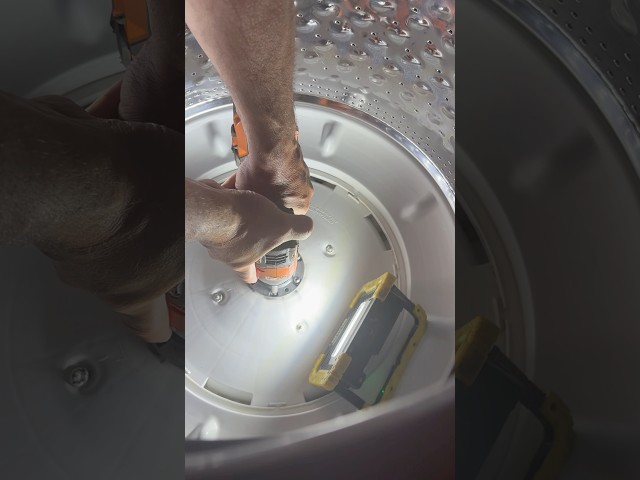
- Inspect the Drum Support (Spider Arm): This requires more disassembly. Access the drum support by removing the rear panel and inner tub. Check for corrosion, cracks, or broken arms. This is a common failure point.
- Check the Tub Bearing: With the washer unplugged and the belt removed (if applicable), try spinning the inner tub by hand. If it feels rough or makes a grinding noise, the tub bearing may be worn. This is a more complex repair.
- Clean the Washer: Run a cleaning cycle with a washer cleaner to remove any buildup that could be contributing to the noise.
- Check the Shipping Bolts (if recently moved): Make sure the shipping bolts are completely removed.
Fix the Issue Without Buying Parts
Often, the solution is simpler than you think:
- Washer Reset: Unplug the washer for 1-2 minutes, then plug it back in. This can sometimes reset the control board and resolve minor issues.
- Cleaning Cycle: Run a dedicated cleaning cycle with a washing machine cleaner to remove detergent buildup and residue.
- Recalibration (if available): Some models have a recalibration or diagnostic mode. Consult your owner’s manual for instructions on how to run this.
- Regular Maintenance: Wipe down the interior of the drum after each use to prevent buildup. Leave the door slightly ajar to allow the washer to air out.
- Inspect Hoses: Visually inspect the water inlet and drain hoses for kinks or blockages.
When Replacement Might Be Necessary
If the noise persists after trying the above steps, replacement of certain parts might be necessary.
- Tub Bearing: If the tub bearing is worn, it will eventually need to be replaced. Cost: $50 – $150 + labor.
- Drum Support (Spider Arm): If the drum support is corroded or broken, replacing it is often the best option. Cost: $80 – $200 + labor.
- Suspension Rods: If the suspension rods are significantly worn or damaged, replacing them is relatively straightforward. Cost: $40 – $80 per set + labor.
Consider the age and overall condition of your washer before investing in costly repairs. A new washer may be a more cost-effective solution in the long run.
Safety Warning
- Always unplug the washer from the power outlet before performing any repairs.
- Be careful when handling tools and sharp objects.
- Avoid working on the washer near water to prevent electric shock.
- If you’re uncomfortable performing any of these steps, contact a qualified appliance repair technician.
Tools You May Need
- Screwdriver set (Phillips and flathead)
- Pliers
- Adjustable wrench
- Level
- Gloves
- Shop Towels
FAQ
- Q: Why is my washer so loud only during the spin cycle? A: The spin cycle is when the washer operates at its highest speed, so any underlying problems will be amplified.
- Q: Can an unbalanced load damage my washer? A: Yes, consistently running unbalanced loads can put excessive strain on the washer’s components and lead to premature wear.
- Q: How often should I clean my washing machine? A: It’s recommended to clean your washing machine every 1-3 months, depending on usage.
- Q: When should I call a professional repair technician? A: If you’re uncomfortable performing any of the troubleshooting steps, or if the noise persists after trying the above solutions, it’s best to call a professional.
- Q: How do I know if the suspension rods are bad? A: You can tell if the suspension rods are bad by pushing down on each corner of the washer. If one corner bounces excessively or feels loose, the suspension rod on that side is likely worn.
- Q: Can I use regular detergent to clean the washing machine? A: It’s best to use a washing machine cleaner specifically designed for this purpose. Regular detergent can sometimes leave residue.
Conclusion
Troubleshooting a noisy Whirlpool Cabrio washer during the spin cycle can seem daunting, but with patience and this guide, you can often identify and resolve the issue yourself. Start with the easy fixes like balancing the load and checking for loose objects. If those don’t work, proceed with the more detailed inspections. Remember to prioritize safety and don’t hesitate to call a professional if you’re unsure about any step. Taking a proactive approach to washer maintenance can extend its lifespan and save you money in the long run.
Youtube Video:
Looking for more useful options?
Check out recommended resources that others find helpful.