Introduction
A washing machine that won’t drain can be a homeowner’s nightmare. Imagine a tub full of soapy water and wet clothes, preventing you from doing more laundry! This issue with your LG Inverter Direct Drive washer can stem from several causes, but fortunately, many are easy to troubleshoot and fix yourself. Addressing this quickly is essential to prevent potential water damage to your home and to get your laundry routine back on track. Don’t panic; this guide will walk you through the most common problems and how to resolve them.
Common Causes of LG Inverter Direct Drive Washer Won’t Drain
Here are some of the most frequent reasons why your LG washer might not be draining:
- Clogged Drain Hose: This is the most common culprit. Lint, small objects, or debris can build up inside the hose, restricting water flow.
- Blocked Drain Pump Filter: The filter catches lint and debris before they reach the drain pump. A full filter will prevent the pump from working effectively.
- Kinked or Damaged Drain Hose: A bend or crimp in the hose can restrict the flow of water.
- Faulty Drain Pump: The drain pump is responsible for pushing the water out of the washer. If it’s broken, it won’t be able to do its job.
- Air Lock in the Drain Hose: Sometimes, air gets trapped in the drain hose, preventing proper draining.
- Clogged House Drain: If the drain where your washer empties is clogged, water will back up into the washer.
- Control Board Issues: In rare cases, a problem with the washer’s control board can prevent the drain pump from activating.
- Over Sudsing: Using too much detergent, or the wrong type, can create excessive suds that prevent the washer from draining.
Symptoms Checklist
Use this checklist to help narrow down the problem:
- Washer tub full of water after the wash cycle.
- Error code displayed on the washer’s control panel (e.g., OE, Drain Error).
- Washer makes a humming or buzzing sound during the drain cycle, but no water drains.
- Water drains very slowly.
- No sound at all during the drain cycle.
- Water drains partially, then stops.
How to Fix LG Inverter Direct Drive Washer Won’t Drain Step-by-Step Guide
Follow these steps to troubleshoot and fix the draining issue:
- Unplug the Washer: Safety first! Disconnect the washer from the power outlet before you start any troubleshooting.
- Check the Drain Hose for Kinks: Inspect the drain hose from the washer to the drainpipe. Straighten any kinks or bends that you find.
- Inspect the Drain Hose Connection: Make sure the drain hose is securely connected to both the washer and the drainpipe.
- Check the Drainpipe for Clogs: Remove the drain hose from the drainpipe and check for any visible clogs. You can use a plumber’s snake to clear any obstructions.
- Locate the Drain Pump Filter: This is usually located at the bottom front of the washer, behind a small access panel. Consult your owner’s manual if you’re unsure where to find it.
- Drain the Remaining Water: Place a shallow pan or towels in front of the access panel to catch any water that spills out. Carefully open the drain pump filter cover, usually by twisting it counterclockwise.
- Clean the Drain Pump Filter: Remove the filter and clean it thoroughly under running water. Remove any lint, hair, coins, or other debris that may be clogging it.
- Inspect the Drain Pump: With the filter removed, shine a flashlight into the drain pump housing. Check for any obstructions, such as socks or small items.
- Reinstall the Drain Pump Filter: Once the filter and pump housing are clean, reinstall the filter and secure the access panel.
- Run a Test Cycle: Plug the washer back in and run a short rinse and spin cycle to see if it drains properly.
- Check for Error Codes: If the washer still doesn’t drain, check the control panel for any error codes. Consult your owner’s manual for the meaning of the code and possible solutions.
- Check for Air Lock: Disconnect the drain hose from the drainpipe. Hold the end of the hose lower than the washer’s water level. This may release any trapped air.
- Reduce Suds: If you suspect over-sudsing, run an empty cycle with hot water and a cup of white vinegar to help dissolve the excess suds.
Fix the Issue Without Buying Parts
Before considering replacement parts, try these free solutions:
- Reset the Washer: Unplug the washer for 5-10 minutes, then plug it back in. This can sometimes reset the control board and resolve minor issues.
- Deep Cleaning: Regularly clean the washer tub with a washing machine cleaner to prevent buildup of soap scum and mildew.
- Inspect Hoses Regularly: Check the drain and inlet hoses for cracks, kinks, or leaks. Replace them if necessary.
- Proper Detergent Usage: Always use the correct type and amount of detergent recommended for your washer. HE (High Efficiency) detergent is essential for LG Inverter Direct Drive washers.
When Replacement Might Be Necessary
If you’ve tried all the troubleshooting steps and your washer still won’t drain, the drain pump might be faulty and need replacement. A new drain pump typically costs between $50 and $150, depending on the model. The control board is another potential culprit, but it’s generally more expensive to replace (around $200-$400) and requires professional diagnosis.
Safety Warning
- Always unplug the washer before performing any troubleshooting or repairs.
- Be careful when draining water to avoid slips and falls.
- If you’re not comfortable working with electrical appliances, consult a qualified technician.
- Keep children and pets away from the washer during troubleshooting and repairs.
Tools You May Need
- Screwdrivers (Phillips and flathead)
- Pliers
- Adjustable wrench
- Shallow pan or towels
- Flashlight
- Plumber’s snake (optional)
FAQ
Here are some frequently asked questions about LG washer draining problems:
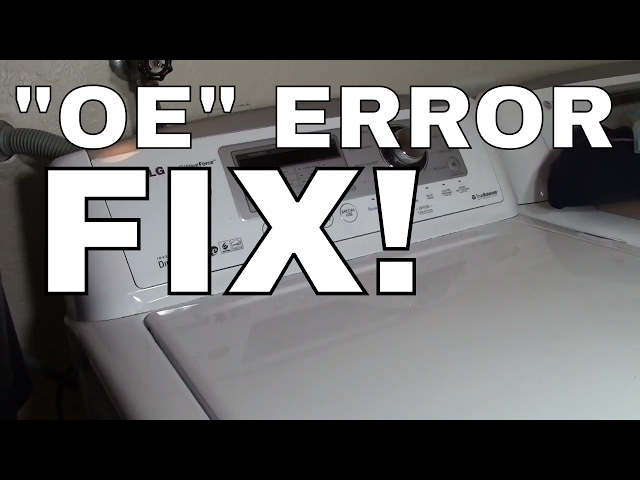
- Q: My washer displays an “OE” error code. What does this mean?A: The “OE” error code typically indicates a drain issue. Check the drain hose, drain pump filter, and drain pump for clogs or blockages.
- Q: How often should I clean the drain pump filter?A: It’s recommended to clean the drain pump filter every 1-3 months, depending on how frequently you use your washer.
- Q: Can I use regular detergent in my LG Inverter Direct Drive washer?A: No, you should only use HE (High Efficiency) detergent in your washer. Regular detergent can create excessive suds and cause draining problems.
- Q: My washer drains slowly, but it eventually drains. What could be the problem?A: A slow drain could indicate a partial clog in the drain hose, drain pump filter, or drainpipe. Clean these components to improve drainage.
Conclusion
Don’t let a washing machine that won’t drain ruin your day! By following this troubleshooting guide, you can often diagnose and fix the problem yourself, saving time and money. If you’ve exhausted all the DIY options and your LG Inverter Direct Drive washer still refuses to drain, it might be time to call a qualified appliance technician. But, with a little patience and effort, you can often get your washer back up and running in no time!
Youtube Video:
Looking for more useful options?
Check out recommended resources that others find helpful.