Introduction
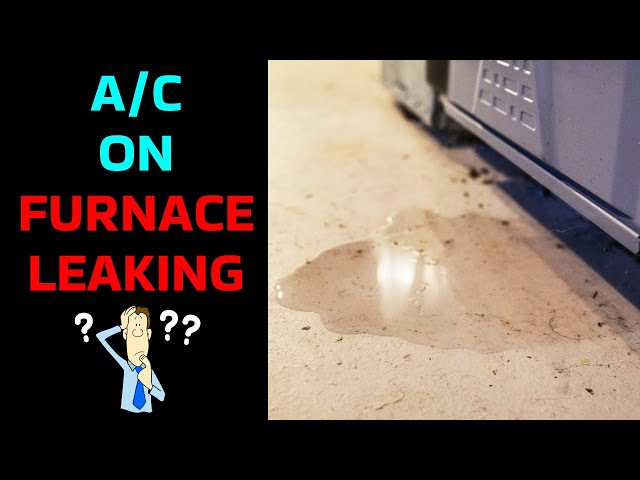
Finding water leaking under your air conditioner is a common problem that many homeowners face, especially during periods of heavy use. This can be frustrating and, if left unchecked, can lead to more serious issues like mold growth, water damage to your floors or walls, and even electrical hazards. Identifying the cause and taking action quickly can save you money and headaches down the road. The good news is that many causes of AC leaks are easily fixable with a little troubleshooting!
Common Causes of Water Leaking Under Air Conditioner
Here are some of the most frequent reasons why your AC might be leaking:
- Clogged Drain Line: This is the most common culprit. Condensation drains through a pipe, and if it’s blocked with algae, mold, or debris, the water backs up and overflows.
- Dirty Air Filter: A clogged filter restricts airflow, causing the evaporator coil to freeze. When the ice melts, it overwhelms the drain pan.
- Broken Drain Pan: The drain pan collects condensation. If it’s cracked or rusted, water will leak out.
- Low Refrigerant: Low refrigerant can cause the evaporator coil to freeze, leading to excess water when it melts.
- Improper Installation: If the AC unit wasn’t installed level, the condensation may not drain properly.
- Damaged Condensate Pump (Window Units): Some window units use a pump to remove condensation. If the pump fails, water can leak.
- Frozen Evaporator Coil: As mentioned above, lack of airflow or low refrigerant can cause this.
- High Humidity: Extremely humid conditions can overwhelm the system’s ability to remove moisture, leading to more condensation.
Symptoms Checklist
Check if any of these symptoms match your situation:
- Water pooling around the indoor AC unit.
- Water dripping from the AC unit, even when it’s not running.
- Visible ice on the evaporator coils inside the unit.
- A musty or moldy smell near the AC unit.
- The AC unit is not cooling as effectively as it used to.
- Water stains on the ceiling or walls near the AC unit.
- Standing water in the drain pan.
How to Fix Water Leaking Under Air Conditioner Step-by-Step Guide
Follow these steps to troubleshoot and potentially fix the leak:
- Turn off the AC unit: For safety, switch off the AC and the breaker that powers it.
- Check the air filter: Remove the filter and inspect it. If it’s dirty, clean or replace it with a new one.
- Locate the drain line: It’s usually a PVC pipe exiting the indoor unit. Look for it inside or outside the house, near the unit.
- Clear the drain line: Use a wet/dry vacuum to suck out any clogs. Attach the hose to the drain line opening and turn on the vacuum for a few minutes.
- Flush the drain line: Pour a cup of white vinegar down the drain line to kill any remaining algae or mold. Let it sit for 30 minutes, then flush with water.
- Inspect the drain pan: Check the drain pan for cracks, rust, or debris. Clean it out thoroughly. If cracked, you may need to replace it later.
- Check the evaporator coils: Open the AC unit panel (after switching the power off!) and look for ice buildup on the coils. If you see ice, let it thaw completely before proceeding.
- Ensure proper airflow: Make sure that vents aren’t blocked by furniture or curtains, allowing for good air circulation.
- Check the unit’s leveling: Use a level to ensure the AC unit is properly level. If it isn’t, shim it until it is level to allow proper draining.
- Turn the AC back on: Restore power to the unit and turn it back on. Observe if the leak has stopped.
- Monitor the AC: Keep an eye on the unit for the next few days to ensure the leak doesn’t return.
- Condensate Pump Check (Window Units): If applicable, locate the condensate pump. Listen for it running periodically. If it doesn’t, it may be faulty and need further inspection or replacement (a task for a professional).
- If the leak persists: The problem might be low refrigerant or a more complex issue. This is usually a sign to call a professional HVAC technician.
Fix the Issue Without Buying Parts
Before you spend money, try these free fixes:
- Reset the AC: Turn off the AC and breaker for 30 minutes, then turn them back on.
- Thorough cleaning: Clean the filter, drain line, and drain pan regularly (every few months).
- Inspection Tips: Inspect your AC unit regularly for any signs of leaks or damage.
- Maintenance Basics: Regular maintenance, such as cleaning and filter changes, can prevent many problems.
When Replacement Might Be Necessary
If the drain pan is severely cracked or rusted, it may need to be replaced. A replacement pan can cost anywhere from $20 to $100, depending on the size and model. If the condensate pump is faulty on a window unit, those range between $30-$80. Low refrigerant requires a professional, and refilling can cost between $150 and $500. A complete AC replacement could cost anywhere from $3,000 to $7,000 or more, so exhaust all other options first.
Safety Warning
- Always turn off the power to the AC unit before performing any maintenance or repairs.
- Avoid touching any electrical components with wet hands.
- Be careful when working on ladders or elevated surfaces.
- Clean up any water spills immediately to prevent slips and falls.
Tools You May Need
- Wet/Dry Vacuum
- Screwdriver
- Level
- White Vinegar
- New Air Filter
- Flashlight
- Gloves
FAQ
Here are some frequently asked questions about AC leaks:
- Why is my AC leaking only when it’s hot outside? The demand is higher, leading to more condensation and potential for clogs.
- Can I use bleach to clean the drain line? While some use it, vinegar is a safer and less corrosive option.
- How often should I change my air filter? At least every 1-3 months, or more frequently if you have pets or allergies.
- Is it safe to run my AC if it’s leaking? It’s best to turn it off until you’ve identified and fixed the problem to avoid further damage or electrical hazards.
Conclusion
Finding water leaking under your air conditioner doesn’t have to be a major crisis. By following these steps, you can often diagnose and fix the problem yourself, saving time and money. Remember to prioritize safety and if you’re unsure about any step, it’s always best to consult a qualified HVAC technician. Don’t be afraid to try a little DIY first you might be surprised at what you can accomplish!
Youtube Video:
Looking for more useful options?
Check out recommended resources that others find helpful.