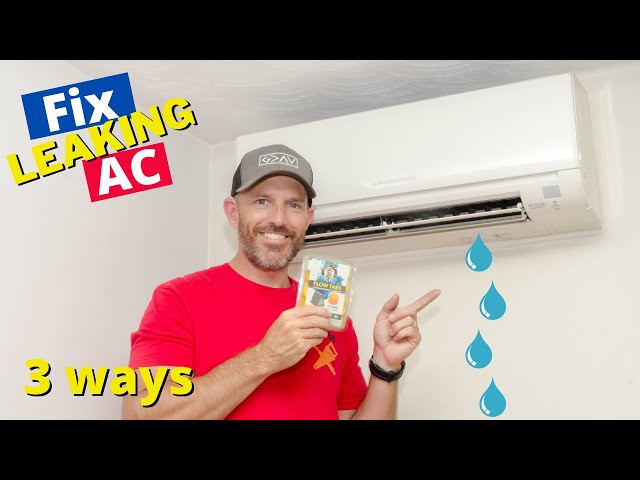
Introduction
Discovering water leaking from your Fujitsu air conditioner can be concerning. Not only can it damage your floors and walls, but it also indicates an underlying problem that could affect your unit’s performance and lifespan. This often happens during periods of heavy use, such as the peak of summer, but it can occur at any time. Addressing a leak promptly is essential to prevent further damage and ensure your air conditioner continues to function efficiently. Don’t panic many causes are simple to fix!
Common Causes of Water Leaking From Fujitsu Air Conditioner
Here are some of the most common reasons why your Fujitsu air conditioner might be leaking water:
- Clogged Drain Line: This is the most frequent culprit. The drain line carries condensation away, and if it’s blocked, water backs up and leaks.
- Dirty Air Filter: A clogged air filter restricts airflow, causing the evaporator coil to freeze over. When it melts, the excess water can overflow.
- Frozen Evaporator Coil: Similar to a dirty filter, low refrigerant levels or a malfunctioning fan can also cause the coil to freeze.
- Low Refrigerant: Insufficient refrigerant can cause the evaporator coil to become too cold, leading to ice formation and eventual leaking.
- Damaged Drain Pan: The drain pan collects condensation. Cracks or damage can cause water to leak.
- Improper Installation: If the unit wasn’t installed correctly, it may not be properly leveled, causing water to overflow the drain pan.
- Condensate Pump Failure (if applicable): Some units use a condensate pump to remove water. If the pump fails, water can back up.
- Kinked or Disconnected Drain Line: A kink in the drain line can block the water flow. A disconnected line will obviously leak.
Symptoms Checklist
Look for these indicators to confirm the source of the problem:
- Visible water dripping from the indoor unit.
- Puddles of water forming around the indoor unit.
- Ice formation on the evaporator coils (visible when removing the air filter).
- Unusual noises coming from the unit (gurgling, hissing).
- Reduced cooling performance.
- Musty odor emanating from the unit.
- Water stains on the ceiling or walls near the unit.
How to Fix Water Leaking From Fujitsu Air Conditioner Step-by-Step Guide
Follow these steps to troubleshoot and potentially fix the leak:
- Turn Off the Power: Before you start, switch off the air conditioner at the breaker to ensure your safety.
- Inspect the Air Filter: Remove the air filter and check if it’s dirty. If it is, clean or replace it. A dirty filter restricts airflow.
- Locate the Drain Line: The drain line is usually a PVC pipe running from the indoor unit to the outside or a drain.
- Check for Kinks or Disconnections: Ensure the drain line is properly connected and free from kinks or obstructions.
- Clear the Drain Line: Use a wet/dry vacuum to suck out any clogs. Attach the hose to the end of the drain line and turn on the vacuum. You can also use a stiff wire (like a coat hanger) to gently dislodge any debris.
- Flush the Drain Line: Pour a cup of white vinegar into the drain line opening to kill any mold or algae. Let it sit for 30 minutes, then flush with water.
- Inspect the Drain Pan: Check the drain pan for cracks or damage. If you find any, it may need to be replaced.
- Check for Ice Formation: Remove the air filter and look for ice on the evaporator coils. If you see ice, allow it to thaw completely before proceeding.
- Level the Unit: Use a level to ensure the indoor unit is properly leveled. Adjust as needed to ensure proper drainage.
- Restart the Unit: After completing the above steps, turn the power back on and run the air conditioner. Monitor it closely for any further leaks.
- Check the Condensate Pump (if applicable): If your unit has a condensate pump, ensure it’s functioning correctly. Listen for its operation and check if the reservoir is emptying.
- Look for Unusual Noises: Pay attention to any unusual noises coming from the unit, which may indicate a problem with the fan or other components.
- Monitor Cooling Performance: After running the unit, check if the cooling performance has improved. This can help determine if the leak was caused by a frozen coil.
Fix the Issue Without Buying Parts
Before considering replacements, try these free methods:
- Reset the Unit: Turn off the power to the unit for a few minutes, then turn it back on. This can sometimes resolve minor glitches.
- Thorough Cleaning: Clean all accessible parts of the unit, including the air filter, coils, and drain pan.
- Regular Maintenance: Schedule regular cleaning and maintenance to prevent future problems.
- Visual Inspection: Routinely check for any signs of leaks, ice formation, or unusual noises.
When Replacement Might Be Necessary
If the leak persists after trying the above steps, or if you discover extensive damage (like a cracked drain pan or a refrigerant leak), replacement may be necessary. Replacing a drain pan can cost between $50 and $200, while professional refrigerant leak repair can range from $150 to $500. Common parts that fail include the drain pan, condensate pump, and, in more severe cases, the evaporator coil itself. Consult a qualified technician for a diagnosis.
Safety Warning
- Always disconnect the power supply before attempting any repairs.
- Avoid contact with wet floors to prevent slipping.
- Be cautious when handling tools to prevent injuries.
- If you suspect a refrigerant leak, ventilate the area and call a professional immediately. Refrigerant is harmful.
Tools You May Need
- Screwdriver (Phillips and flathead)
- Wet/dry vacuum
- Stiff wire (coat hanger)
- Level
- White vinegar
- Flashlight
FAQ
Here are some frequently asked questions about leaking air conditioners:
- Q: Why is my air conditioner leaking only when it’s hot outside? A: High humidity increases condensation, which can overwhelm a partially blocked drain line.
- Q: How often should I clean my air filter? A: At least every month, or more often if you have pets or allergies.
- Q: Can a leaking air conditioner cause mold? A: Yes, standing water can create a breeding ground for mold.
- Q: Is it safe to run my air conditioner if it’s leaking? A: No, turn it off to prevent further damage and potential electrical hazards.
Conclusion
Water leaking from your Fujitsu air conditioner can be a frustrating problem, but often it’s a simple fix. By following these steps, you can identify the cause and potentially resolve the issue yourself, saving time and money. However, if you’re uncomfortable performing these tasks or if the problem persists, don’t hesitate to call a qualified HVAC technician for professional assistance. Taking action early can prevent more costly repairs down the line!
Youtube Video:
Looking for more useful options?
Check out recommended resources that others find helpful.