Introduction
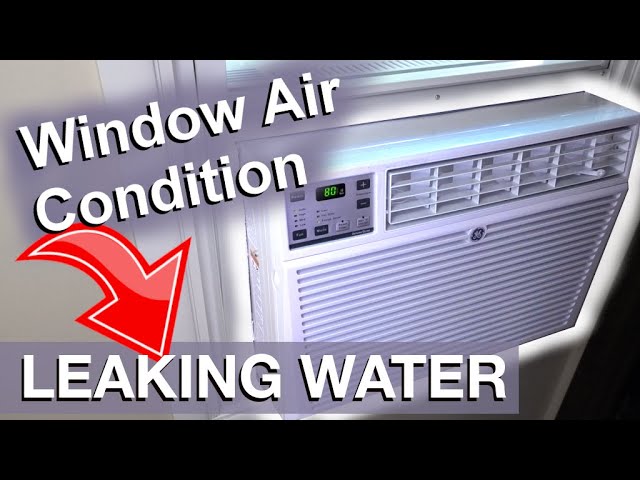
Water leaking from the front of your AC unit is a common problem that can be quite concerning for homeowners. It usually means there’s an issue with condensation drainage or internal components. Ignoring this leak can lead to water damage in your home, mold growth, and potentially damage your AC unit itself. It’s essential to address this problem promptly to prevent further complications and ensure your AC runs efficiently.
Common Causes of Water Leaking From AC Front
Here are some of the most frequent reasons why your AC might be leaking water:
- Clogged Drain Line: This is the most common culprit. Condensation produced by the AC is supposed to drain away, but if the drain line is blocked with dust, algae, or debris, the water backs up and leaks.
- Dirty Air Filter: A clogged air filter restricts airflow, causing the evaporator coil to get too cold and freeze. When the ice melts, it overwhelms the drainage system.
- Low Refrigerant: Low refrigerant can also cause the evaporator coil to freeze, leading to the same melt-and-leak scenario as a dirty air filter.
- Improper Installation: If your AC wasn’t installed correctly, it might not be level, causing water to pool and leak.
- Damaged Drain Pan: The drain pan collects the condensation. If it’s cracked or rusted, it will leak.
- Blocked Condensate Pump: Some AC units use a condensate pump to push water upwards to a drain. If the pump fails, water can leak. (More common in central AC systems, but can occur in some window units).
- High Humidity: Extremely humid conditions can produce more condensation than the system is designed to handle, leading to overflow.
- Evaporator Coil Issues: If the evaporator coil is extremely dirty or damaged, it may not properly evaporate moisture, resulting in excess condensation.
Symptoms Checklist
Use this checklist to help confirm the problem:
- Water dripping or pooling around the front of the AC unit.
- Water stains on the wall or floor near the AC.
- A musty or moldy smell coming from the AC unit.
- The AC unit is running, but the room isn’t cooling effectively.
- Ice formation on the cooling coils visible when you remove the filter.
- The sound of dripping water even when the AC is off.
How to Fix Water Leaking From AC Front Step-by-Step Guide
Follow these steps to troubleshoot and fix the water leak:
- Turn Off the AC: Before you start, turn off the AC unit and unplug it from the power outlet for safety.
- Inspect the Air Filter: Remove the air filter and check if it’s dirty. If it is, clean or replace it. A clean filter improves airflow.
- Clean the Air Filter (if reusable): Wash the filter with mild soap and water, rinse thoroughly, and let it dry completely before reinstalling.
- Locate the Drain Line: Find the drain line, usually a small tube exiting the back or side of the AC unit.
- Check for Clogs in the Drain Line: Carefully detach the drain line and inspect it for any visible blockages.
- Flush the Drain Line: Use a wet/dry vacuum cleaner to suck out any clogs in the drain line. Attach the hose to the end of the drain line and let it run for a few minutes. Alternatively, use a turkey baster to flush the line with a solution of warm water and a little bleach (1 part bleach to 10 parts water).
- Check the Drain Pan: Locate the drain pan (usually underneath the cooling coils). Inspect it for cracks, rust, or standing water.
- Clean the Drain Pan: If the drain pan has standing water, carefully remove it and clean it thoroughly. Use a brush to remove any algae or debris.
- Ensure Proper Drainage: Make sure the AC unit is level. Use a level tool to check and adjust as needed. If it’s a window unit, ensure it’s slightly tilted outwards for proper drainage.
- Check for Ice Formation: If you see ice on the cooling coils, let the unit thaw completely (usually a few hours) before turning it back on.
- Reassemble and Test: Reconnect the drain line and reassemble the AC unit. Plug it back in and turn it on. Observe if the leaking has stopped.
- Monitor Performance: Run the AC for a while and monitor its performance. Check for any new leaks.
- Check the Condensate Pump (if applicable): If your AC has a condensate pump, check if it’s running properly. Listen for its hum and ensure it’s pumping water. If it’s not running, there may be an electrical problem. (Proceed with caution if dealing with electrical components, and consider calling a professional.)
Fix the Issue Without Buying Parts
Here are some no-cost methods to try before considering replacements:
- AC Reset: Sometimes, simply unplugging the AC unit for 15-20 minutes and then plugging it back in can reset the system and resolve minor issues.
- Regular Cleaning: Cleaning the air filter every month and the drain pan periodically prevents clogs and promotes proper drainage.
- Inspection Tips: Regularly inspect the area around the AC for any signs of water damage or mold growth. This helps you catch problems early.
- Maintenance Basics: Keep the area around the AC unit clear of obstructions to ensure proper airflow.
When Replacement Might Be Necessary
If you’ve tried all the troubleshooting steps and the leaking persists, replacement of certain parts might be necessary.
- Drain Pan: A severely cracked or rusted drain pan needs replacement. Cost: $20-$50.
- Condensate Pump: If the condensate pump has failed entirely. Cost: $30-$80.
- AC Unit: If the AC unit is old and has significant internal damage beyond repair it is wise to replace the whole unit. Cost: $150- $800.
Safety Warning
- Always unplug the AC unit before performing any maintenance or repairs.
- Be careful when handling electrical components. If you’re unsure, call a qualified technician.
- Avoid standing water around the AC unit to prevent electric shock.
- Clean up any spills immediately to prevent slips and falls.
- Avoid using excessive force when removing or installing parts.
Tools You May Need
- Screwdriver (Phillips and flathead)
- Wet/dry vacuum cleaner
- Level tool
- Brush
- Mild soap and water
- Turkey baster (optional)
FAQ
Here are some frequently asked questions about AC water leaks:
-
Q: Why is my AC leaking water when it’s not even hot outside?
A: Even if it’s not hot, your AC may still be running to dehumidify the air, producing condensation. A clogged drain line can cause leaks regardless of the temperature. -
Q: How often should I clean my AC air filter?
A: Generally, you should clean or replace your AC air filter every 30 days, or more frequently if you have pets or allergies. -
Q: Can I use bleach to clean the drain line?
A: Yes, a diluted bleach solution (1 part bleach to 10 parts water) can help clear clogs, but be careful not to spill it. -
Q: Is it dangerous to run my AC if it’s leaking water?
A: Running a leaking AC can lead to water damage and mold growth. It’s best to turn it off and address the problem promptly.
Conclusion
Water leaking from the front of your AC unit can be a frustrating problem, but with a little patience and these troubleshooting steps, you can often fix it yourself. Remember to prioritize safety and follow the instructions carefully. If you’ve tried these steps and the leaking persists, it might be time to call a qualified HVAC technician. Addressing the issue promptly will help protect your home and ensure your AC runs efficiently for years to come!
Youtube Video:
Looking for more useful options?
Check out recommended resources that others find helpful.