Introduction
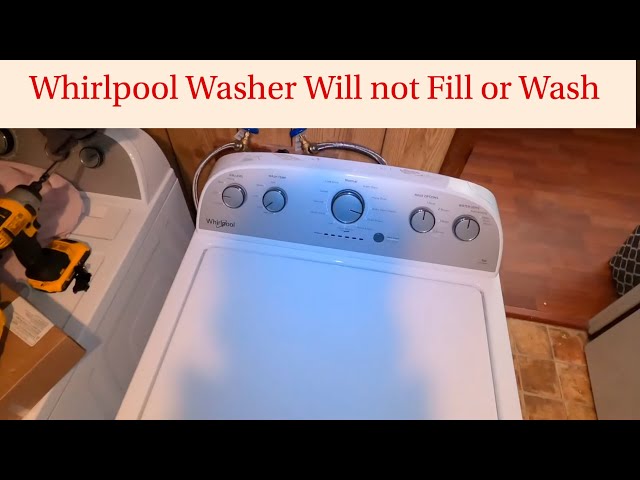
A washing machine that won’t fill with water can be a real headache. Laundry piles up, and you’re stuck trying to figure out what’s wrong. This issue, often referred to as “washer no water,” is surprisingly common. It can happen suddenly, even if your machine was working perfectly just yesterday. Don’t panic! Many times, the fix is simple and doesn’t require calling a professional. This guide will walk you through troubleshooting steps to get your washer running again as quickly as possible.
Common Causes of Washer No Water
Here are some of the most frequent reasons why your washing machine might not be getting water:
- Water Supply Valves Turned Off: This is the most common culprit. Check the hot and cold water valves behind the washer to ensure they’re fully open.
- Kinked or Blocked Water Hoses: The hoses supplying water to the washer can become kinked, preventing water flow. They can also get clogged with sediment.
- Clogged Inlet Screens: Small screens located at the point where the water hoses connect to the washer can become clogged with debris, restricting water flow.
- Defective Water Inlet Valve: This valve controls the flow of water into the washing machine. If it fails, it might not open even when it receives the signal to do so.
- Lid Switch Malfunction: Many washers have a lid switch that prevents the machine from filling or spinning if the lid is open. A faulty switch might think the lid is always open.
- Timer/Control Board Issues: In some cases, the timer or control board may not be sending the correct signals to the water inlet valve.
- Low Water Pressure: If your home’s water pressure is too low, the washer might not be able to fill properly.
- Faulty Pressure Switch: This switch detects the water level inside the drum. If it fails, it might signal that the drum is already full, even when it’s empty.
Symptoms Checklist
Use this checklist to narrow down the problem:
- Washer starts but the drum remains completely dry.
- Washer makes a humming noise but no water enters.
- Water trickles in very slowly.
- Washer fills with water only when set to a specific cycle (e.g., only the rinse cycle works).
- You hear water running elsewhere in the house, confirming water supply is present.
- The error code or indicator light related to “water fill” or “water inlet” is displayed on the panel.
How to Fix Washer No Water Step-by-Step Guide
Follow these steps to troubleshoot the issue:
- Check the Water Supply Valves: Make sure both the hot and cold water valves behind the washer are fully open. Turn them counter-clockwise as far as they will go.
- Inspect the Water Hoses: Look for any kinks, bends, or damage in the water hoses. Straighten any kinks and replace damaged hoses.
- Clean the Inlet Screens: Turn off the water supply valves. Disconnect the water hoses from the back of the washer. Locate the small screens inside the water inlets on the back of the machine. Use pliers to gently remove the screens and clean them with a brush and warm water. Reinstall the screens and reconnect the hoses.
- Check Water Pressure: Connect a hose to an outside faucet and check the water flow. If the pressure is weak, there may be an issue with your home’s plumbing or the municipal water supply. Contact a plumber.
- Listen for the Inlet Valve: Start a wash cycle and listen closely to the water inlet valve (usually located behind the washer, where the hoses connect). You should hear a click or humming sound as it tries to open. If you don’t hear anything, it could indicate a faulty valve.
- Check the Lid Switch: Manually depress the lid switch (if accessible) while the washer is running. If the water starts to fill when you press the switch, the switch is likely faulty.
- Inspect the Drain Hose: Ensure the drain hose isn’t clogged or inserted too far into the drainpipe. This can sometimes create a siphoning effect, preventing the washer from filling.
- Run a Test Cycle: Try running a short test cycle, such as a rinse cycle, to see if the washer fills with water in that mode. This can help determine if the problem is specific to certain wash cycles.
- Check the Washer’s Error Code: Many modern washers display error codes. Consult your washer’s user manual to determine the meaning of any error codes you see.
- Inspect the Pressure Hose: Look for a small hose connecting the tub to the pressure switch. Ensure it’s securely attached and free of kinks or clogs.
Fix the Issue Without Buying Parts
Before you rush out to buy replacement parts, try these free fixes:
- Reset the Washer: Unplug the washer from the power outlet for 1-2 minutes, then plug it back in. This can sometimes reset the control board and resolve the issue.
- Check for Software Update: If it is a smart washer check for software updates.
- Clean the Dispenser Drawers: Sometimes, clogs in the detergent or fabric softener dispensers can affect water flow. Clean the drawers thoroughly.
- Level the Washer: An unbalanced washer can sometimes cause filling problems. Use a level to ensure the washer is sitting level on the floor. Adjust the leveling feet as needed.
- Maintenance Habits: Use the correct type and amount of detergent. Periodically run an empty washer with a washing machine cleaner to prevent buildup and clogs.
When Replacement Might Be Necessary
If you’ve tried all the troubleshooting steps and your washer still won’t fill with water, you might need to consider replacing a part. Common parts that fail include the water inlet valve (estimated cost: $30-$75), the lid switch ($20-$50), or the pressure switch ($25-$60). Replacing the control board can be more expensive (often $100-$300+), and at that point, you might want to consider replacing the entire washing machine.
Safety Warning
- Always unplug the washing machine from the power outlet before attempting any repairs.
- Be careful when working with water and electricity. Avoid getting water on electrical components.
- Wear gloves to protect your hands from dirt and grime.
- If you’re not comfortable working with electrical components, it’s best to call a qualified appliance repair technician.
- Make sure that the floor area around the washing machine is dry before turning the power back on.
Tools You May Need
- Pliers
- Screwdrivers (Phillips and flathead)
- Bucket
- Adjustable wrench
- Old toothbrush or small brush
- Multimeter (optional, for testing electrical components)
FAQ
Here are some common questions about washing machine filling issues:
- Q: Why is my washer filling with water when it’s turned off? A: This is usually caused by a faulty water inlet valve that’s leaking. You’ll need to replace the valve.
- Q: My washer fills very slowly. What could be the problem? A: This is often due to low water pressure, clogged inlet screens, or a partially blocked water hose.
- Q: The water stops filling mid-cycle. Why? A: This can be caused by a faulty pressure switch or a problem with the control board.
- Q: What if my washer is displaying an error code related to the water inlet? A: Consult your user manual. It can directly point to your problem.
Conclusion
Troubleshooting a “washer no water” issue can seem daunting, but with a little patience and these step-by-step instructions, you can often diagnose and fix the problem yourself. By following this guide, you can potentially save money and time by avoiding a costly service call. If you have tried these steps and your washer is still giving you trouble, consult a qualified appliance technician.
Youtube Video:
Looking for more useful options?
Check out recommended resources that others find helpful.