Introduction
A leaking washing machine connection is a common household problem that can quickly lead to a bigger headache if left unattended. This issue typically occurs where the water supply hoses connect to the back of your washing machine or where the drain hose connects to the drain pipe. Even a small drip can cause mold, mildew, and water damage to your floors and walls. Because of the potential for damage, it’s important to identify and fix the leak as soon as possible.
Common Causes of Washer Connection Leaking
Here are some common culprits behind those frustrating leaks:
- Loose Connections: The most frequent cause! The fittings connecting the hoses to the washer or the water supply pipes may simply be loose.
- Worn Rubber Washers: Inside the hose connections are small rubber washers. These can dry out, crack, and lose their seal over time.
- Damaged Hoses: The hoses themselves can develop cracks, bulges, or pinhole leaks, especially near the fittings.
- Incorrect Hose Size: Using the wrong size hose can prevent a tight seal.
- Over-tightening: Tightening connections too much can damage the threads or the washers, causing leaks.
- Clogged Drain Hose: A blockage in the drain hose can cause water to back up and leak from the connection point.
- Rust or Corrosion: Rust or corrosion on the pipe threads or hose fittings can prevent a proper seal.
- Water Pressure Issues: Excessively high water pressure can stress the connections and lead to leaks.
Symptoms Checklist
Here’s how to know if you have a washer connection leak:
- Visible water puddles behind or around the washing machine.
- Dampness or discoloration on the wall behind the washer.
- A musty odor in the laundry room.
- Water stains on the ceiling below the laundry room (if applicable).
- Visible drips from the hose connections while the washer is filling or draining.
How to Fix Washer Connection Leaking Step-by-Step Guide
Follow these steps to troubleshoot and fix your leaking washer connection:
- Safety First: Unplug the washing machine from the power outlet. This is crucial for your safety.
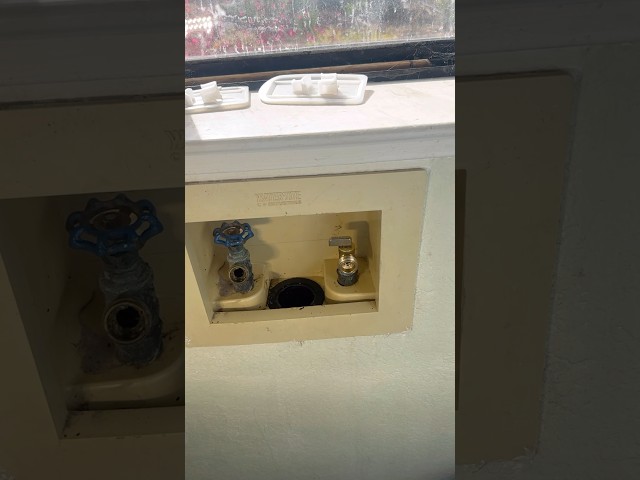
- Turn Off the Water Supply: Locate the hot and cold water shut-off valves behind the washer. Turn them clockwise until they are completely closed.
- Inspect the Connections: Carefully examine the connections between the water supply hoses and the washing machine, as well as the drain hose connection. Look for any signs of leaks, cracks, or corrosion.
- Tighten the Connections: Using pliers or a wrench, gently tighten the hose connections. Be careful not to overtighten, as this can damage the threads.
- Check the Washers: If tightening doesn’t work, disconnect the hoses. Inspect the rubber washers inside the hose ends. If they are cracked, dry, or damaged, they need to be replaced. However, for now, just ensure they are properly seated within the connection.
- Clean the Threads: Use a wire brush to clean any rust or corrosion from the threads of the hose fittings and the water supply pipes.
- Reattach the Hoses: Reconnect the hoses, making sure the washers are in place and the connections are snug, but not overly tight.
- Inspect the Drain Hose Connection: Make sure the drain hose is securely inserted into the drain pipe and that the clamp is tight. Check the hose for cracks.
- Turn the Water Back On: Slowly turn the water supply valves counterclockwise to open them. Watch carefully for any leaks.
- Run a Test Cycle: Start a short wash cycle to check for leaks while the washer is filling, washing, and draining.
- Observe Carefully: Monitor all connections during the test cycle. If you see any leaks, try tightening the connections a bit more (but don’t overtighten!).
- Check for Drain Blockage: If the leak seems to be related to the drain, check the drain hose for kinks or clogs. You can try flushing the hose with water to dislodge any obstructions.
- Dry Everything Thoroughly: After fixing any leaks, wipe up any spilled water to prevent mold growth.
Fix the Issue Without Buying Parts
Before running to the store, try these cost-free solutions:
- Reseat the Washers: Sometimes, the washers just need to be properly positioned within the hose connections. Make sure they are flat and fully seated.
- Clean the Threads: Removing rust and debris from the threads can improve the seal.
- Check Water Pressure: If your water pressure is unusually high, it might be causing stress on the connections. Consider installing a water pressure regulator on your main water line.
- Inspect Hoses Regularly: Check your hoses a few times a year for wear and tear. Early detection can prevent leaks.
When Replacement Might Be Necessary
If you’ve tried all the troubleshooting steps and the leak persists, you may need to replace some parts. Common culprits include:
- Water Supply Hoses: Replace if cracked, bulging, or corroded. Cost: $15-$30 per pair.
- Rubber Washers: Inexpensive and easy to replace. Cost: $2-$5 per set.
- Drain Hose: Replace if clogged or damaged. Cost: $10-$20.
Safety Warning
- Always unplug the washing machine before attempting any repairs.
- Turn off the water supply to prevent flooding.
- Be careful when using tools to avoid injury.
- Wipe up any spills immediately to prevent slips and falls.
Tools You May Need
- Pliers or adjustable wrench
- Screwdriver (Phillips and flathead)
- Wire brush
- Bucket or towels
FAQ
Here are some common questions and answers:
- Q: Why is my washing machine leaking only when it’s running? A: This usually indicates a problem with the hoses or connections. Check for leaks during different stages of the wash cycle.
- Q: Can I use Teflon tape on the hose connections? A: While some people do, it’s generally not recommended for washing machine hose connections. Using new rubber washers is usually sufficient.
- Q: How often should I replace my washing machine hoses? A: It’s a good idea to replace them every 3-5 years, even if they don’t show signs of wear.
- Q: My water pressure is very high. Could this be causing the leak? A: Yes, high water pressure can put stress on the connections and cause leaks. Consider installing a pressure regulator.
Conclusion
Troubleshooting a washer connection leak can seem daunting, but with a little patience and these steps, you can often fix the problem yourself. Remember to prioritize safety and take your time. If you’ve exhausted all options and the leak persists, it might be time to call a qualified appliance repair technician. But give it a try yourself first you might be surprised at what you can accomplish!
Youtube Video:
Looking for more useful options?
Check out recommended resources that others find helpful.