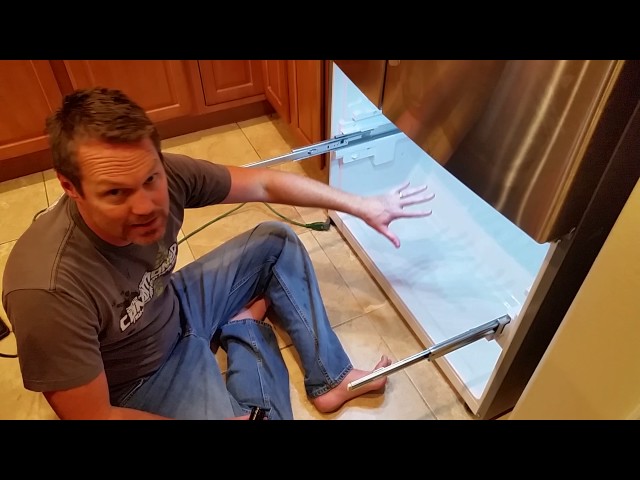
Introduction
An LG refrigerator making a knocking noise can be quite unsettling. It usually indicates that something isn’t working correctly within the appliance. This noise might be intermittent or constant, and it can range from a soft tap to a loud thud. Ignoring this sound could lead to further damage to your refrigerator, potentially affecting its cooling performance and lifespan. It’s best to address it sooner rather than later to prevent more costly repairs or food spoilage.
Common Causes of lg refrigerator knocking noise
Here are some common culprits behind that knocking sound:
- Ice Maker Issues: The ice maker filling with water or ejecting ice can create a knocking sound.
- Water Line Problems: A loose or vibrating water line supplying the ice maker and water dispenser can cause knocking.
- Defrost System: The defrost cycle involves melting ice buildup, and the heating element or fan interacting with ice can create noises.
- Compressor Problems: The compressor is the heart of the refrigerator, and a failing compressor can produce knocking or rattling sounds.
- Condenser Fan: The condenser fan helps cool the compressor. If it’s hitting something, it could knock.
- Evaporator Fan: Located inside the freezer, a malfunctioning evaporator fan can create noises as it spins.
- Loose Components: Sometimes, panels, shelves, or other parts within the fridge vibrate and knock against each other.
- Leveling Issues: An unlevel refrigerator can cause the compressor to work harder and create knocking sounds as it shifts.
Symptoms Checklist
Consider these indicators to understand the issue better:
- Is the knocking noise constant, intermittent, or only during certain operations (like ice making)?
- Does the noise seem to be coming from the back, bottom, top, or inside the refrigerator?
- Is the knocking noise accompanied by any other unusual sounds, such as buzzing, hissing, or gurgling?
- Is the refrigerator still cooling properly?
- Have you noticed any water leaks or ice buildup inside the refrigerator or freezer?
- Does the noise change when you open or close the refrigerator doors?
How to Fix lg refrigerator knocking noise Step-by-Step Guide
Follow these steps to troubleshoot the knocking noise:
- Locate the Noise: First, try to pinpoint where the noise is coming from. Listen carefully to the back, bottom, inside the refrigerator and freezer to narrow down the source.
- Check the Ice Maker: If the noise seems to be related to ice making, temporarily turn off the ice maker. If the noise stops, the issue is likely with the ice maker components. Inspect for ice buildup or obstructions.
- Inspect Water Line: Look at the water line that supplies the ice maker and water dispenser. Ensure it’s securely attached and not vibrating against anything. Use foam or rubber to insulate the line if needed.
- Inspect the Defrost System: If the noise seems to be related to defrost cycles, check for excessive ice buildup on the back panel inside the freezer. A large buildup can sometimes cause the defrost system to strain and make noise.
- Check the Condenser Fan: Located behind the refrigerator (usually at the bottom), inspect the condenser fan for obstructions. Make sure the fan blades are clean and spinning freely.
- Check the Evaporator Fan: Open the freezer and remove the back panel. Inspect the evaporator fan for ice buildup or obstructions. Carefully remove any ice.
- Level the Refrigerator: Use a level to ensure your refrigerator is properly leveled. Adjust the feet at the bottom of the fridge as needed.
- Secure Loose Components: Check for any loose shelves, drawers, or panels inside the refrigerator. Tighten any screws or use rubber shims to secure loose parts.
- Clean Underneath the Refrigerator: Dust and debris buildup around the compressor and condenser coils can contribute to noise. Vacuum underneath the refrigerator regularly.
- Run a Diagnostic Test: Some LG refrigerators have a built-in diagnostic mode. Consult your owner’s manual for instructions on how to run the test. It may help identify specific component failures.
- Unplug and Re-Plug: As silly as this sounds, power-cycling a refrigerator can reset it.
- Check for Obstructions Behind Fridge: Make sure the fridge isn’t pushed too tightly against the wall.
Fix the Issue Without Buying Parts
Often, the knocking noise can be resolved with simple maintenance:
- Reset the Refrigerator: Unplug the refrigerator for 10-15 minutes to reset its internal systems.
- Clean the Condenser Coils: Dust and debris on the coils can cause the compressor to work harder.
- Ensure Proper Ventilation: Make sure the refrigerator has enough space around it for proper ventilation.
- Check for Ice Buildup: Manually defrost the freezer to remove excessive ice buildup.
When Replacement Might Be Necessary
If the knocking persists after trying these steps, it could indicate a failing compressor or a major component issue. Compressor replacement can cost $300-$700 or more, including labor. The ice maker assembly can be around $150-300. Sometimes, replacing the entire refrigerator might be more cost-effective, especially for older models. Consider the age and overall condition of your appliance before investing in major repairs.
Safety Warning
- Always unplug the refrigerator before performing any maintenance or repairs.
- Be careful when working with electrical components. If you’re uncomfortable, contact a qualified technician.
- Avoid working on the refrigerator if the floor is wet.
- When removing panels or components, handle them with care to avoid injury.
Tools You May Need
- Screwdrivers (Phillips and flathead)
- Adjustable wrench
- Vacuum cleaner
- Level
- Gloves
- Flashlight
FAQ
Here are some frequently asked questions about refrigerator knocking noises:
- Q: Why is my refrigerator knocking even when the ice maker is off? A: Other components like the compressor or condenser fan could be the source of the noise.
- Q: How often should I clean the condenser coils? A: At least every 6 months, or more frequently if you have pets.
- Q: Can a knocking noise cause my refrigerator to stop cooling? A: Yes, if the compressor is failing, it can affect the cooling performance.
- Q: Is it safe to ignore the knocking noise? A: It’s best to address the issue to prevent further damage and potential food spoilage.
Conclusion
Troubleshooting an LG refrigerator knocking noise can be a straightforward process with these steps. Try these solutions first. If the knocking noise persists or worsens, consulting with a qualified appliance repair technician is recommended. Addressing the issue promptly can save you money and extend the life of your refrigerator.
Youtube Video:
Looking for more useful options?
Check out recommended resources that others find helpful.