Introduction
Finding your air conditioner frozen up is frustrating, especially during hot weather. When your AC freezes, it stops cooling your home effectively, leading to discomfort and potentially higher energy bills. This happens when the evaporator coil, the part of your AC that cools the air, gets too cold and ice forms on its surface. It’s important to address this issue quickly, as running a frozen AC can damage its components and lead to costly repairs. This guide is designed to help you understand why your AC might be freezing up and what steps you can take to fix it yourself before calling a professional.
💡 Technical Key Takeaways:
- Core Focus: Diagnostic schematic and terminal connection layout for Reasons For Ac Freezing Up.
- Target Scope: Field technicians, automotive DIYers, and residential/commercial electricians.
- Safety Rule: Always disconnect the primary power source/battery terminal and verify zero voltage with a multimeter before touching wires.
Common Causes of reasons for ac freezing up
Here are some of the most common reasons why your AC might be freezing up:
- Low Refrigerant: Insufficient refrigerant can cause the evaporator coil to become extremely cold.
- Restricted Airflow: Reduced airflow over the coil causes it to get too cold and freeze.
- Dirty Air Filter: A clogged air filter restricts airflow, leading to the same problem as above.
- Dirty Evaporator Coils: Dust and debris on the coils insulate them, reducing heat absorption and causing freezing.
- Blocked Return Air Vents: Furniture or rugs blocking return vents limit airflow back to the AC unit.
- Blower Motor Problems: A malfunctioning blower motor can reduce airflow over the evaporator coil.
- Outside Temperature Too Low: Running your AC when the outside temperature is too low (typically below 60F) can cause the coil to freeze.
- Damaged or Bent Coil Fins: Bent fins reduce airflow across the evaporator coil.
Symptoms Checklist
Use this checklist to help identify if your AC is indeed freezing up:
- Reduced Cooling: Your AC is running, but the air coming out is not as cold as usual.
- Ice Formation: You can see ice forming on the evaporator coil (usually inside the indoor unit).
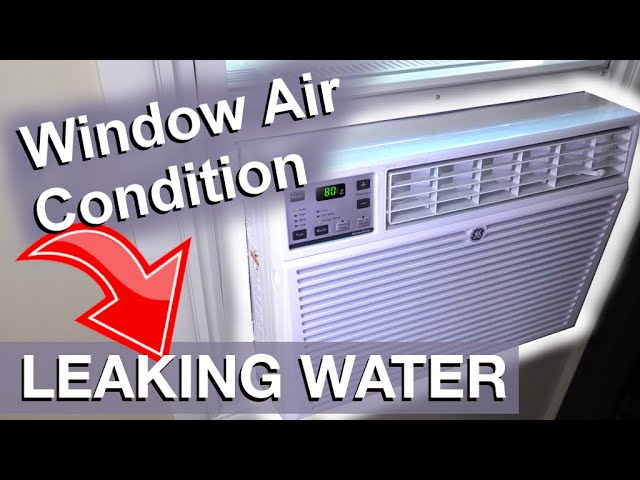
- Water Leaks: As the ice melts, you might notice water leaking from the indoor unit.
- AC Running Constantly: The AC runs continuously without shutting off.
- Unusual Noises: You might hear hissing or bubbling sounds from the unit.
- Warm Air: Eventually, the AC may blow warm air instead of cool air.
How to Fix reasons for ac freezing up Step-by-Step Guide
Follow these steps to troubleshoot and potentially fix your frozen AC:
- Turn Off the AC: The first thing to do is turn off your AC unit to allow the ice to melt.
- Turn on Fan Only: Switch your thermostat to “Fan Only” mode. This will help circulate air and speed up the melting process.
- Check the Air Filter: Remove and inspect the air filter. If it’s dirty, replace it with a new one. Clean or replace filters every 1-3 months for optimal performance.
- Allow Ice to Melt Completely: Let the ice melt completely, which could take several hours. Don’t try to chip or force the ice off, as this could damage the coil.
- Inspect Return Air Vents: Make sure that all return air vents are clear and not blocked by furniture, rugs, or other obstructions.
- Check the Outdoor Unit: Ensure that the outdoor unit is free of debris like leaves, grass clippings, and branches. Clear away any obstructions within a 2-foot radius.
- Straighten Coil Fins: If you see bent or damaged coil fins on the indoor or outdoor unit, gently straighten them with a fin comb (available at most hardware stores).
- Clean Evaporator Coils (if accessible): If you can access the evaporator coils (typically inside the indoor unit), carefully clean them with a soft brush or vacuum cleaner attachment. Be gentle to avoid damaging the coils.
- Monitor Refrigerant Lines: Look for any obvious signs of damage or leaks on the refrigerant lines. If you suspect a leak, do not attempt to repair it yourself.
- Restart the AC: After the ice has completely melted and you’ve addressed the potential causes, turn the AC back on and monitor its performance.
- Check Airflow: Ensure strong airflow from all vents. Weak airflow indicates a continued blockage.
- Monitor Temperature: Give the AC at least 24 hours to stabilize. Check the temperature difference between the supply and return vents. A difference of 15-20 degrees Fahrenheit is ideal.
Fix the Issue Without Buying Parts
Many times, you can resolve a frozen AC without spending any money:
- Regularly Change/Clean Air Filters: Prevent airflow restrictions.
- Ensure Proper Airflow: Keep vents clear and unobstructed.
- Seasonal Cleaning: Clean outdoor unit of debris at the start of each cooling season.
- Monitor Performance: Pay attention to your AC’s cooling efficiency and address issues promptly.
- Avoid Low Temperature Operation: Do not run your AC when outside temperatures are below 60F.
When Replacement Might Be Necessary
If the AC continues to freeze up after trying these steps, or if you suspect a refrigerant leak, the following might be necessary:. Related guide: Air Conditioner Condenser Will Not Turn On.
- Refrigerant Recharge: If low refrigerant is the cause, a professional can recharge the system. Cost ranges from $150 to $500 depending on the type of refrigerant and the amount needed.
- Blower Motor Replacement: A faulty blower motor will need to be replaced. The cost can range from $200 to $800.
- Evaporator Coil Repair/Replacement: If the coil is severely damaged, it may need to be repaired or replaced. This can cost between $500 and $2000.
- System Replacement: In some cases, particularly with older units, it may be more cost-effective to replace the entire AC system. The cost of a new system can range from $3,000 to $7,000 or more.
Safety Warning
- Unplug the AC: Before performing any maintenance, always turn off the AC and disconnect it from the power source to avoid electric shock.
- Avoid Wet Floors: Be careful of water accumulation when the ice melts to prevent slips and falls.
- Don’t Handle Refrigerant: Refrigerant is harmful. Do not attempt to handle or repair refrigerant lines yourself. Contact a qualified technician.
- Protect Your Eyes: When cleaning the coils, wear safety glasses to protect your eyes from dust and debris.
Tools You May Need
Here are some basic tools that might be helpful:
- Screwdrivers (Phillips and flathead)
- Wrench set
- Fin comb
- Soft brush or vacuum cleaner attachment
- Safety glasses
- Gloves
FAQ
Here are some frequently asked questions about frozen ACs:
-
Q: How long does it take for an AC to freeze up?
A: It can take anywhere from a few hours to a day for an AC to freeze up, depending on the severity of the underlying issue. -
Q: Can I run my AC with a frozen coil?
A: No, running an AC with a frozen coil can damage the compressor and other components. Turn it off immediately. -
Q: How often should I change my air filter?
A: Change your air filter every 1-3 months, or more often if you have pets or allergies. -
Q: Why is my AC freezing up even with a clean filter?
A: Other possible causes include low refrigerant, blocked vents, or a faulty blower motor. -
Q: Is it normal for my outside AC unit to have ice on it in the winter?
A: Yes, some ice formation is normal during defrost cycles in heat pump systems. However, excessive ice buildup indicates a problem.
Conclusion
Dealing with a frozen AC can be frustrating, but by following these steps, you can often diagnose and resolve the issue yourself. Remember to prioritize safety and address the problem promptly to prevent further damage to your AC system. If you’ve tried these troubleshooting steps and your AC continues to freeze up, it’s time to call a qualified HVAC technician for professional assistance. Don’t be afraid to give these DIY steps a try – you might be surprised at how much you can fix yourself!. Browse more guides on smartacfix.com.
Youtube Video:

Quick Wiring Specifications & Terminal Guide
| Component / Circuit | Standard Wire Gauge | Recommended Protection |
|---|---|---|
| Control & Trigger Signals | 18 – 20 AWG | 5A – 7.5A Inline Fuse |
| Standard Auxiliary Load | 14 – 16 AWG | 15A – 20A Circuit Breaker |
| Main Power Feed / Supply | 10 – 12 AWG | 30A – 40A Heavy-Duty Relay |
Images References