
Introduction
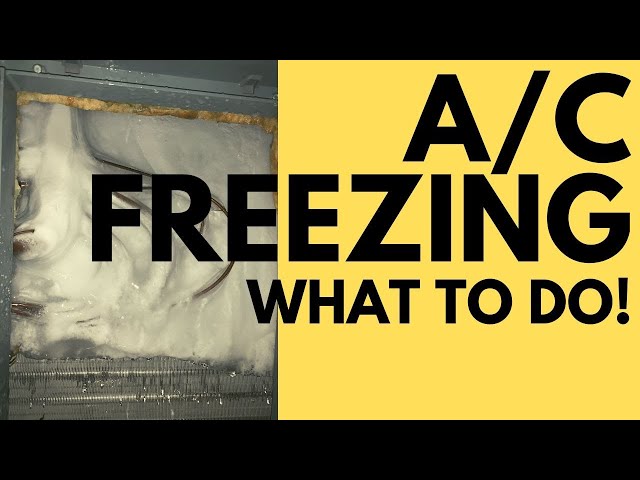
Finding ice inside your air conditioning unit when it’s blazing hot outside is a homeowner’s nightmare. This problem, known as “inside AC unit freezing up in summer,” isn’t just about uncomfortable temperatures. It indicates a serious underlying issue that can damage your AC system if left unaddressed. The freezing restricts airflow, making your AC work harder, leading to higher energy bills and potential breakdowns. Addressing this issue quickly is important to protect your investment and keep your home cool and comfortable during the summer months. Explore more in our Air Conditioner Troubleshooting category.
💡 Technical Key Takeaways:
- Core Focus: Diagnostic schematic and terminal connection layout for Inside Ac Unit Freezing Up In Summer.
- Target Scope: Field technicians, automotive DIYers, and residential/commercial electricians.
- Safety Rule: Always disconnect the primary power source/battery terminal and verify zero voltage with a multimeter before touching wires.
Common Causes of inside ac unit freezing up in summer
Several factors can cause your AC unit to freeze up. Here are some of the most common:
- Low Refrigerant Levels: Like blood for the AC, refrigerant is essential. If the level is low due to a leak, the pressure drops, causing the evaporator coil to get too cold and freeze.
- Dirty Air Filter: A clogged air filter restricts airflow, causing the evaporator coil to get too cold.
- Restricted Airflow: Blocked vents or closed registers can also restrict airflow, leading to freezing.
- Dirty Evaporator Coils: Dust and debris on the evaporator coils insulate them, making it harder for them to absorb heat and leading to freezing.
- Faulty Blower Motor: If the blower motor isn’t working properly, it can’t circulate air effectively, causing the coils to freeze.
- Damaged Ductwork: Leaky or damaged ductwork can cause uneven airflow and temperature imbalances, potentially leading to freezing.
- Outdoor Temperature Too Low: Running your AC when the outdoor temperature is below 60F (15C) can sometimes cause the coils to freeze.
Symptoms Checklist
If you suspect your AC is freezing up, look for these signs:
- Ice visible on the indoor AC unit’s coils.
- Reduced or no airflow from vents.
- Higher than usual energy bills.
- AC unit running constantly without cooling the house effectively.
- Water leaks around the indoor unit (as the ice melts).
- Strange noises coming from the AC unit.
How to Fix inside ac unit freezing up in summer Step-by-Step Guide
- Turn off your AC: The first thing you should do is turn off your AC unit. This will allow the ice to melt and prevent further damage.
- Turn on the fan: Set your thermostat to “fan only.” This will circulate air over the frozen coils, helping them thaw out faster.
- Check the air filter: Remove the air filter and inspect it. If it’s dirty, replace it with a clean one. A dirty filter is one of the most common causes of AC freezing.
- Clear any obstructions: Make sure that all vents and registers are open and not blocked by furniture or other objects.
- Inspect the outdoor unit: Check the outdoor condenser unit for any debris, such as leaves or branches, that could be blocking airflow. Remove any obstructions.
- Check the ductwork: Look for any obvious signs of damage to the ductwork, such as tears or holes. Seal any small leaks with duct tape.
- Give it time to thaw: It can take several hours for the ice to completely melt. Be patient and let the fan run to help speed up the process.
- Check the drain pan: Ensure the drain pan is not overflowing. If it is, clear the drain line. A clogged drain line can cause water to back up and contribute to freezing.
- After thawing, turn the AC back on: Once the ice has completely melted, turn your AC back on and monitor its performance.
- Monitor the unit: Watch for the same symptoms to reappear after restarting. If it freezes again quickly, there is likely a more serious issue.
- Check for refrigerant leaks: Although you won’t be able to fix it yourself, inspecting for signs of refrigerant leaks (oily residue) around the connections can help a technician diagnose the problem.
Fix the Issue Without Buying Parts
Before considering costly repairs, try these free methods:
- Air Filter Cleaning/Replacement: Clean or replace your air filter every 1-3 months. A clean filter ensures proper airflow.
- Coil Cleaning: Gently vacuum or brush the indoor evaporator coils and outdoor condenser coils to remove dust and debris.
- Ventilation Check: Ensure all vents and registers are open and unobstructed for proper air circulation.
- Thermostat Check: Make sure your thermostat is set correctly and functioning properly. Avoid setting it too low.
- Routine Inspection: Regularly inspect your AC unit for any signs of problems, such as leaks or unusual noises.
When Replacement Might Be Necessary
If the freezing persists after trying the above steps, or if you suspect a refrigerant leak, it’s time to call a professional. Refrigerant leaks require specialized equipment to repair. Sometimes, if the coil is severely damaged, replacement may be the only option. Evaporator coil replacement can range from $800 to $2,000, depending on the unit. Leaks that are hard to access may require more extensive work, increasing the cost. Common failing parts include the blower motor, expansion valve, and the compressor itself. Related guide: Fan Not Running On Ac Unit Outside.
Safety Warning
- Always turn off the power to the AC unit at the breaker before attempting any repairs.
- Avoid working on the AC unit if the floor is wet.
- Do not attempt to handle refrigerant. It can cause frostbite and is harmful to the environment.
- If you are unsure about any of the steps, contact a qualified HVAC technician.
Tools You May Need
- Screwdriver (Phillips and flathead)
- Vacuum cleaner with brush attachment
- Duct tape
- Fin comb (for straightening bent coil fins – optional)
FAQ
Here are some frequently asked questions about AC freezing:
- Q: How long should I leave the AC off to thaw? A: Allow at least 2-4 hours for the ice to completely melt.
- Q: Can I use a hair dryer to melt the ice? A: No, this is not recommended. Using a hair dryer can damage the AC unit.
- Q: Why does my AC freeze even with a clean filter? A: There may be other airflow restrictions or a refrigerant issue.
- Q: How often should I clean my AC coils? A: At least once a year, or more frequently if you live in a dusty environment.
Conclusion
Dealing with a frozen AC unit in the heat of summer can be frustrating, but by following these troubleshooting steps, you can often resolve the issue yourself. Remember to prioritize safety and don’t hesitate to call a qualified technician if you’re uncomfortable performing any of the repairs. A little DIY effort can save you money and keep your home cool and comfortable all summer long. Browse more guides on smartacfix.com.
Youtube Video:
Quick Wiring Specifications & Terminal Guide
| Component / Circuit | Standard Wire Gauge | Recommended Protection |
|---|---|---|
| Control & Trigger Signals | 18 – 20 AWG | 5A – 7.5A Inline Fuse |
| Standard Auxiliary Load | 14 – 16 AWG | 15A – 20A Circuit Breaker |
| Main Power Feed / Supply | 10 – 12 AWG | 30A – 40A Heavy-Duty Relay |
Images References


