Introduction
Finding water leaking from your Omega Altise portable air conditioner can be frustrating and concerning. Not only can it damage your floors, but it also indicates that your unit isn’t functioning correctly. This can happen during normal operation, after you’ve moved the unit, or even when it’s just sitting idle. Addressing this issue promptly is important to prevent water damage, mold growth, and potential damage to the air conditioner itself. Let’s get to the bottom of this leak!
Common Causes of Omega Altise Portable Air Conditioner Leaking Water
Several factors can cause your Omega Altise portable air conditioner to leak water. Here are some of the most common culprits:
- Full Condensate Tank: Most portable ACs have an internal tank to collect condensed water. If this tank is full, the unit will often leak.
- Clogged Drain Hose: If your AC has a drain hose connected for continuous drainage, a clog can cause water to back up and leak.
- Humid Weather: On particularly humid days, your AC has to work harder to remove moisture from the air, leading to increased condensation and potential leaks.
- Incorrect Placement: If the unit isn’t on a level surface, the water may not drain properly and can overflow.
- Damaged or Disconnected Drain Hose: A crack or loose connection in the drain hose will cause leaks.
- Internal Leak: Rarely, an internal component like the evaporator coil or condensate pump might be leaking.
- Filter Problems: A dirty or clogged air filter can cause the evaporator coil to freeze, which then melts and overflows the drain pan.
- Drain Pump Failure: Some units use a pump to help drain water, and if it fails, the unit will leak.
Symptoms Checklist
Check for these signs to accurately diagnose the problem:
- Puddle of water forming underneath or around the air conditioner.
- Water dripping from the back, sides, or bottom of the unit.
- Unit shuts off automatically, displaying an error code related to water.
- Excessive humidity in the room despite the AC running.
- Musty odor coming from the air conditioner.
How to Fix Omega Altise Portable Air Conditioner Leaking Water Step-by-Step Guide
Follow these steps to troubleshoot and fix your leaking air conditioner:
- Unplug the Air Conditioner: Before you start any troubleshooting, unplug the unit from the power outlet for your safety.
- Check the Condensate Tank: Locate the condensate tank (usually at the back or bottom) and carefully remove it. Is it full? If so, empty it completely.
- Inspect the Drain Hose (if applicable): If your unit has a drain hose, make sure it’s securely connected to the drain outlet.
- Check for Kinks or Blockages in the Drain Hose: Straighten out the drain hose to remove any kinks. Detach the hose and blow air through it to clear any potential blockages.
- Ensure Proper Drainage Path: Make sure the end of the drain hose is positioned lower than the drain outlet on the AC unit, allowing gravity to do its job.
- Level the Air Conditioner: Use a level to make sure the unit is sitting on a flat, even surface. Adjust the feet or place a shim underneath as needed.
- Clean the Air Filter: Remove the air filter (usually at the back) and wash it with mild soap and water. Allow it to dry completely before replacing it.
- Inspect the Drain Pan: Carefully inspect the drain pan inside the unit (you may need a flashlight). Check for cracks or damage.
- Check for Ice Buildup: If you see ice forming on the evaporator coils (usually visible through the air filter opening), turn off the unit and let the ice melt completely. A dirty filter is often the cause.
- Run the Unit in Fan-Only Mode: After addressing the above steps, run the AC in fan-only mode for a few hours to help dry out any remaining moisture inside.
- Monitor for Leaks: After running the fan, turn the AC back on to cooling mode and closely monitor for any new leaks.
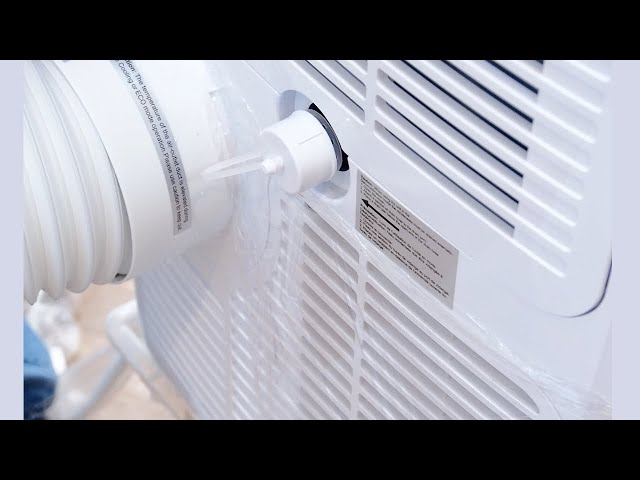
- Check the Drain Plug: Some units have a drain plug on the bottom for manual draining. Ensure it is securely tightened.
Fix the Issue Without Buying Parts
Before considering replacement parts, try these free methods:
- Regular Cleaning: Clean the air filter every 2-4 weeks to prevent freezing and water overflow.
- Proper Placement: Always ensure the unit is on a level surface.
- Routine Inspection: Regularly check the drain hose for kinks or blockages.
- Reset the Unit: Unplug the unit for 30 minutes and then plug it back in. This can sometimes reset the internal sensors and fix minor issues.
When Replacement Might Be Necessary
If you’ve tried all the troubleshooting steps and the unit continues to leak, an internal component might be failing. This could include a cracked drain pan, a malfunctioning condensate pump, or a leak in the evaporator coil. Replacing the entire unit might be more cost-effective than repairing it, especially if the AC is several years old. New portable AC units can range from $200 to $600 USD. Condensate pumps, if replaceable, typically cost $30-$80 USD.
Safety Warning
- Always unplug the air conditioner before performing any maintenance or troubleshooting.
- Avoid standing in water while working on the unit.
- Ensure the area around the air conditioner is dry to prevent slips and falls.
- If you are uncomfortable working with electrical appliances, consult a qualified technician.
Tools You May Need
- Screwdriver (Phillips and flathead)
- Adjustable wrench
- Small bucket or container
- Clean cloths or towels
- Level
- Flashlight
FAQ
Here are some frequently asked questions about leaking portable air conditioners:
-
Q: Why is my portable AC leaking even after I empty the tank?
A: There might be a clog in the drain hose or the unit might be on an uneven surface. -
Q: How often should I empty the condensate tank?
A: It depends on the humidity levels in your area, but typically every 1-2 days during heavy use. -
Q: Can a dirty air filter cause my AC to leak water?
A: Yes, a dirty filter can cause the evaporator coil to freeze, leading to water overflow. -
Q: Is it safe to use a leaking air conditioner?
A: No, it’s best to unplug the unit and address the leak to prevent further damage or electrical hazards. -
Q: My unit has a self-evaporating function. Why is it still leaking?
A: Even with self-evaporation, extreme humidity or a malfunction can cause excess water to accumulate.
Conclusion
Don’t let a leaky Omega Altise portable air conditioner dampen your comfort! By following these troubleshooting steps, you can often identify and fix the problem yourself. Remember to prioritize safety and take your time. If you’ve exhausted all the DIY options and the leak persists, it’s best to consult with a qualified HVAC technician to avoid causing further damage. Stay cool!
Youtube Video:
Looking for more useful options?
Check out recommended resources that others find helpful.