Introduction
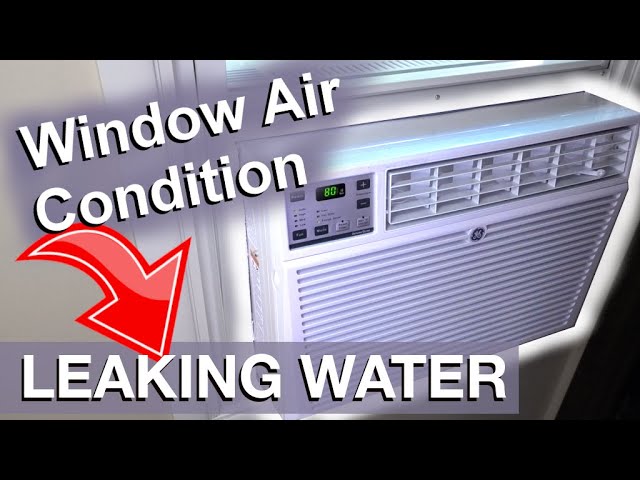
Discovering your window air conditioner is leaking water can be frustrating and concerning. Not only can it damage your floors and walls, but it also indicates that something isn’t working correctly within the unit. Water leaks often occur during periods of high humidity or when the AC unit is working hard. Addressing this issue promptly is crucial to prevent further damage and ensure your AC unit continues to cool effectively. Ignoring a water leak can lead to mold growth and more costly repairs down the line, making it a priority to troubleshoot.
Common Causes of my window unit is leaking water
Here are some common reasons why your window AC unit might be leaking water:
- Clogged Drain Hole: The most frequent culprit! Dirt, dust, and debris can block the drain hole, preventing condensation from escaping.
- Incorrect Installation Angle: If the unit isn’t tilted slightly outward, water can pool inside and leak.
- Dirty Air Filter: A clogged air filter reduces airflow, causing the evaporator coil to freeze. When the ice melts, it overwhelms the drainage system.
- Damaged or Disconnected Drain Pan: The drain pan collects condensation. If it’s cracked or detached, water will leak.
- High Humidity: In extremely humid conditions, the AC unit might produce more condensation than it can handle.
- Frozen Evaporator Coils: Similar to a dirty filter, low refrigerant or other issues can cause the coils to freeze.
- Drain Tube Blockage: The tube leading away from the drain pan can become clogged.
- Cracked or Damaged Housing: Rarely, the unit’s casing can crack, leading to leaks, especially after impacts or rough handling.
Symptoms Checklist
Check these indicators to confirm the water leak’s source:
- Water dripping from the front of the unit.
- Water leaking from the sides or bottom of the unit.
- Standing water in the drain pan.
- Unusual noises, such as gurgling, coming from the unit.
- Ice formation on the cooling fins (evaporator coils).
- The unit is not cooling as effectively as usual.
- Visible mold or mildew growth near the unit.
How to Fix my window unit is leaking water Step-by-Step Guide
Follow these steps to troubleshoot and fix your leaking window AC unit:
- Safety First: Unplug the AC unit from the power outlet before starting any inspection or repairs.
- Inspect the Installation: Ensure the unit is properly installed and tilted slightly outwards. Use a level to check.
- Check the Drain Hole: Locate the drain hole (usually at the back or bottom of the unit).
- Clear the Drain Hole: Use a straightened paperclip, pipe cleaner, or small screwdriver to gently clear any blockages in the drain hole.
- Clean the Air Filter: Remove the air filter (usually at the front of the unit) and wash it with mild soap and water. Let it dry completely before replacing.
- Inspect the Drain Pan: Carefully remove the unit (if possible) and inspect the drain pan for cracks or damage.
- Clean the Drain Pan: If the drain pan is accessible, clean it thoroughly to remove any accumulated dirt or debris.
- Check the Drain Tube: If your unit has a drain tube, ensure it’s not kinked or blocked. Disconnect it and blow air through it to clear any obstructions.
- Defrost Frozen Coils: If you suspect frozen coils, turn off the unit and let it thaw completely. This might take several hours. A hair dryer (on a low, warm setting and held at a safe distance) can speed up the process.
- Reassemble and Test: Once everything is clean and clear, reassemble the unit and plug it back in. Observe if the leaking has stopped.
- Monitor Performance: Run the AC unit for a few hours and monitor for any further leaks or issues.
- Confirm Proper Drainage: Check outside to ensure water is draining from the unit as it operates.
Fix the Issue Without Buying Parts
Often, you can resolve a leaking window AC unit without spending any money:
- Reset the Unit: Unplug the AC unit for 15-20 minutes. This can sometimes reset the system and resolve minor issues.
- Thorough Cleaning: Regularly clean the air filter and the exterior of the unit to prevent dust and debris buildup.
- Ensure Proper Tilt: Double-check that the unit is tilted slightly outward for optimal drainage.
- Regular Inspections: Periodically inspect the drain hole and drain pan for any signs of blockage or damage.
When Replacement Might Be Necessary
If, after troubleshooting, the leaking persists, or if you find significant damage like cracks in the housing or a severely damaged drain pan, replacement might be the most practical solution. New window AC units typically range from $150 to $500, depending on size and features. Parts that commonly fail and might necessitate replacement include the compressor (expensive to replace individually), the fan motor, and the control board. Before replacing, consider the age of the unit. If it’s nearing the end of its lifespan (typically 8-10 years), replacement is often more cost-effective than extensive repairs.
Safety Warning
- Always unplug the AC unit before performing any inspection or repairs.
- Avoid working with electricity near water to prevent electric shock.
- Be careful when lifting or moving the AC unit, as it can be heavy. Get help if needed.
- Ensure the area around the unit is dry to prevent slips and falls.
Tools You May Need
- Screwdrivers (Phillips and flathead)
- Paperclip or pipe cleaner
- Level
- Mild soap and water
- Clean cloths or towels
- Flashlight
FAQ
Here are some frequently asked questions about leaking window AC units:
-
Q: Why is my AC leaking even after I cleaned the filter?
A: There might be a blockage in the drain hole or a damaged drain pan. Check those areas next. -
Q: How often should I clean my AC filter?
A: Ideally, you should clean your AC filter every 2-4 weeks, depending on usage and air quality. -
Q: Is it normal for my AC to drip a little water outside?
A: Yes, it’s normal for condensation to drain outside. However, excessive leaking indoors is not normal. -
Q: Can I use bleach to clean the drain pan?
A: It’s best to avoid bleach, as it can damage certain materials. Use mild soap and water instead.
Conclusion
Troubleshooting a leaking window AC unit can often be resolved with simple cleaning and maintenance. By following these steps, you can potentially save money and avoid the hassle of calling a technician. However, if the problem persists or if you’re uncomfortable performing the repairs yourself, don’t hesitate to contact a qualified HVAC professional.
Youtube Video:
Looking for more useful options?
Check out recommended resources that others find helpful.