Introduction
A Maytag Neptune front load washer that won’t drain is a common issue that can be frustrating and messy. It means your clothes are sitting in water, and you can’t start the next load. This usually happens because something is blocking the drain path. Addressing this quickly prevents mold, mildew, and potential damage to your washer.
Common Causes of Maytag Neptune Front Load Washer Not Draining
Here are some of the most common reasons why your Maytag Neptune washer might not be draining:
- Clogged Drain Pump Filter: This filter traps lint, hair, and small objects, and it can become blocked over time.
- Blocked Drain Hose: The hose that carries water away from the washer can get kinked or clogged.
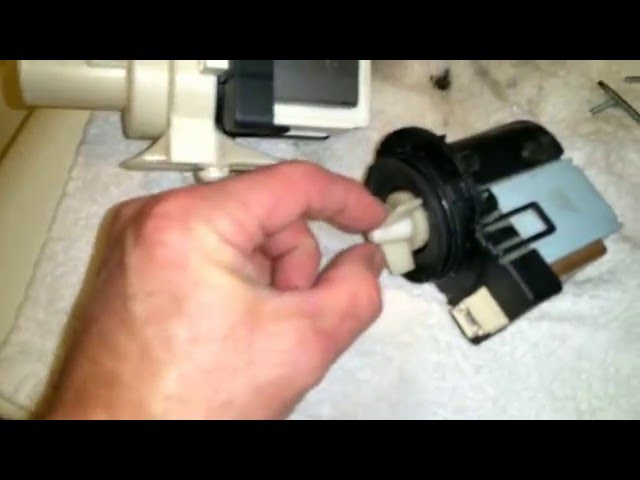
- Faulty Drain Pump: The drain pump might be broken and unable to pump the water out.
- Obstructed Tub Drain: Large objects can occasionally make their way into the drain and cause a blockage.
- Air Lock: Sometimes, an air bubble can prevent the drain pump from working effectively.
- Defective Lid/Door Switch: Although less common in front loaders, a malfunctioning switch can prevent the washer from starting the drain cycle.
- Control Board Malfunction: The control board tells the washer what to do, and if it’s faulty, it might not be sending the signal to drain.
- Kinked or Damaged Hose: Make sure your drain hose isnt sharply bent which restricts the flow of water.
Symptoms Checklist
Check for these signs to help confirm your diagnosis:
- Washer stops mid-cycle and displays an error code related to draining.
- Water remains in the drum after the wash cycle is complete.
- You hear a humming or buzzing noise from the drain pump area but no water is being pumped.
- Clothes are soaking wet even after the spin cycle.
- The drain hose appears full of water.
How to Fix Maytag Neptune Front Load Washer Not Draining Step-by-Step Guide
Follow these steps to troubleshoot and hopefully fix your draining issue:
- Unplug the Washer: Disconnect the washer from the power outlet for safety before starting any troubleshooting.
- Locate the Drain Pump Filter: It’s usually located at the bottom front of the washer, behind a small access panel. Refer to your owner’s manual for the exact location.
- Prepare for Water Spillage: Place a shallow pan or towels under the access panel to catch any water that might spill out.
- Open the Access Panel: Use a flathead screwdriver to carefully open the access panel.
- Remove the Drain Pump Filter: Turn the filter counterclockwise to remove it. Be prepared for water to come out.
- Clean the Filter: Rinse the filter under running water, removing any lint, hair, or debris. Use a small brush to scrub it if needed.
- Inspect the Drain Pump Housing: Check inside the housing where the filter goes. Remove any visible obstructions.
- Reinstall the Filter: Place the clean filter back into the housing and turn it clockwise to secure it.
- Close the Access Panel: Secure the access panel back into place.
- Check the Drain Hose: Locate the drain hose behind the washer. Make sure it’s not kinked, bent, or crushed.
- Detach the Drain Hose: Carefully detach the drain hose from the drainpipe or standpipe.
- Inspect the Drain Hose for Blockages: Shine a flashlight through the hose to check for obstructions. You can also try running water through it to flush out any clogs.
- Reattach the Drain Hose: Reattach the drain hose securely to the drainpipe or standpipe.
- Check for Air Lock: Sometimes, an air lock can prevent draining. Try gently tilting the washer forward or backward to release any trapped air.
- Plug the Washer Back In: Reconnect the washer to the power outlet.
- Run a Test Cycle: Select a short rinse and spin cycle to see if the washer drains properly.
Fix the Issue Without Buying Parts
Before considering replacement parts, try these free methods:
- Washer Reset: Unplug your washer for 10 minutes, then plug it back in. This can sometimes reset the control board and resolve the issue.
- Deep Cleaning: Regularly clean your washer with a washing machine cleaner to prevent buildup and clogs.
- Hose Inspection: Regularly inspect all hoses for kinks, cracks, or blockages.
When Replacement Might Be Necessary
If the above steps don’t work, the drain pump itself might be faulty. Replacement costs can range from $50 to $200 (USD) for the pump, plus labor if you hire a technician. Control board replacements can be significantly more expensive, ranging from $150 to $400. The drain pump is the most common part to fail in this scenario.
Safety Warning
- Always unplug the washer before performing any maintenance or repairs.
- Be careful when handling water. Wipe up any spills immediately to prevent slips and falls.
- If you’re uncomfortable working with electrical appliances, consult a qualified appliance repair technician.
Tools You May Need
- Flathead screwdriver
- Pliers
- Shallow pan or towels
- Flashlight
- Small brush
FAQ
Here are some frequently asked questions:
- Why does my washer sometimes drain and sometimes not? This could indicate a partial blockage or a failing drain pump that works intermittently.
- What does an “LF” error code mean on my Maytag Neptune? “LF” usually indicates a problem with the water inlet or water level, but can sometimes appear when there’s a draining issue. Check your water inlet valve as well.
- How often should I clean the drain pump filter? It’s recommended to clean the filter every 1-3 months, depending on how often you use your washer.
- Can I use a plunger to unclog my washing machine? While it might work in some cases, it’s generally not recommended as it can damage the internal components.
Conclusion
Troubleshooting a Maytag Neptune front load washer that won’t drain can seem daunting, but by following these steps, you can often resolve the issue yourself. Remember to always prioritize safety and consult a professional if you’re unsure about any step. Hopefully this will save you money and get your laundry routine back on track!
Youtube Video:
Looking for more useful options?
Check out recommended resources that others find helpful.