Introduction
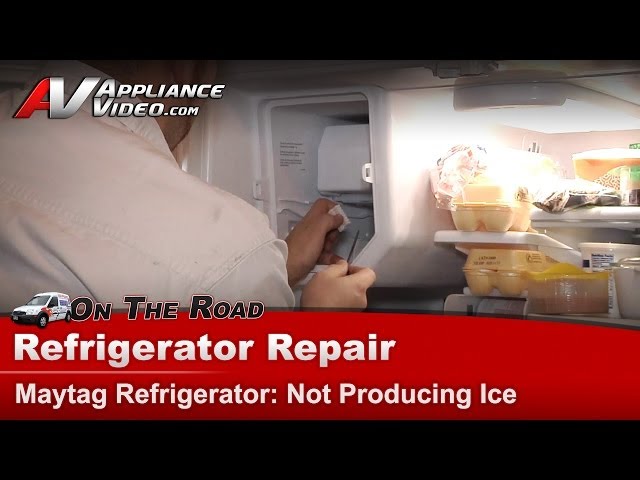
An ice maker that suddenly stops working in your Maytag refrigerator can be a major inconvenience, especially during hot weather or when you’re hosting guests. A malfunctioning ice maker means no ice for drinks, forcing you to buy bags of ice from the store. This problem needs attention promptly, not only for your convenience but also to prevent potential food spoilage if your fridge’s temperature rises due to the extra workload. Let’s troubleshoot and get your ice maker back in action!
Common Causes of maytag fridge ice maker not working
Here are some typical reasons why your Maytag refrigerator ice maker might have stopped producing ice:
- The Ice Maker is Turned Off: It sounds simple, but sometimes the ice maker switch gets accidentally turned off.
- Water Supply Issue: The ice maker needs water to make ice. A kinked or frozen water line can cut off the supply.
- Water Filter Clogged: A dirty water filter restricts water flow, reducing ice production.
- Freezer Temperature Too High: If the freezer isn’t cold enough, the ice maker won’t function correctly.
- Ice Jam: Ice cubes can sometimes get stuck in the ice maker, preventing it from cycling properly.
- Faulty Water Inlet Valve: This valve controls the flow of water to the ice maker. If it fails, no water will reach the ice maker.
- Defective Ice Maker Module: The module controls the entire ice-making process. A faulty module will stop the ice maker.
- Freezer Door Not Closing Properly: Warm air entering the freezer can hinder ice production.
Symptoms Checklist
Use this checklist to identify the specific problem:
- No ice is being produced at all.
- Ice cubes are small or misshapen.
- Ice maker is making unusual noises.
- Water is leaking from the ice maker area.
- Ice clumps together.
- Ice maker is overflowing with water.
How to Fix maytag fridge ice maker not working Step-by-Step Guide
Follow these steps to troubleshoot and fix your ice maker:
- Check the Ice Maker Switch: Make sure the ice maker is turned on. Look for a switch or lever inside the freezer compartment near the ice maker. Ensure it’s in the “on” position.
- Inspect the Water Line: Locate the water line running to your refrigerator (usually behind it). Check for any kinks or bends that might be restricting water flow. Straighten any kinks.
- Check the Water Filter: Locate the water filter (usually inside the fridge or in the base grille). Replace the filter if it’s been longer than six months or if it appears dirty.
- Verify Freezer Temperature: Ensure your freezer is set to the correct temperature (ideally around 0F or -18C). Use a thermometer to confirm the temperature. Adjust the freezer settings if necessary.
- Clear Ice Jams: Open the freezer door and check the ice maker for any ice jams blocking the ice ejection mechanism. Use a plastic utensil (like a spatula) to carefully remove any ice buildup. Avoid using metal tools, as they can damage the ice maker.
- Listen for Water Valve: Press the ice maker’s test button (usually located on the front or side of the ice maker). You should hear the water valve open and water filling the ice maker tray. If you don’t hear anything, the valve might be faulty.
- Check the Fill Tube: The fill tube delivers water to the ice maker. It can sometimes freeze up. Inspect the tube (usually located at the top of the freezer, near the ice maker) for ice blockage. You can try thawing it with a hairdryer on a low setting.
- Unplug and Reset: Unplug your refrigerator for 5-10 minutes. This can sometimes reset the ice maker’s control module and resolve minor issues.
- Check Door Seals: Examine the rubber seals around the freezer door. Make sure they are clean and creating a tight seal. If the seals are damaged, replace them.
- Clean the Ice Maker: Over time, mineral deposits can build up in the ice maker. Clean the ice maker with a solution of vinegar and water (equal parts). Spray the solution into the ice maker and let it sit for a few minutes before wiping it clean.
Fix the Issue Without Buying Parts
Before you start buying parts, try these free methods:
- Reset the Ice Maker: Many ice makers have a reset button. Press and hold it for a few seconds to force a reset.
- Deep Cleaning: Thoroughly clean the ice maker area, removing any ice debris or buildup.
- Check Air Vents: Make sure the air vents inside the freezer are not blocked by food items, as this can affect the temperature and ice production.
- Proper Maintenance: Regularly replace the water filter (every 6 months) and clean the ice maker to prevent future issues.
- Visual Inspection: Carefully inspect all visible components for signs of damage or wear.
When Replacement Might Be Necessary
If you’ve tried all the troubleshooting steps and your ice maker still isn’t working, a replacement part might be necessary. Common parts that fail include the ice maker module (estimated cost: $80-$150), the water inlet valve (estimated cost: $30-$70), or the complete ice maker assembly (estimated cost: $150-$300). Consider these replacements only after exhausting all other options.
Safety Warning
- Always unplug the refrigerator before working on any internal components.
- Avoid working on electrical components with wet hands or on a wet floor.
- Be careful when handling sharp objects or tools.
- If you’re unsure about any step, consult a qualified appliance repair technician.
Tools You May Need
- Screwdrivers (Phillips and flathead)
- Pliers
- Adjustable wrench
- Plastic spatula or scraper
- Thermometer
- Clean cloths or towels
FAQ
Here are some frequently asked questions about ice maker problems:
-
Q: How long does it take for an ice maker to make ice after being turned on?
A: It usually takes 24-48 hours for a new ice maker to start producing ice. -
Q: Why is my ice maker making small or hollow ice cubes?
A: This is often due to low water pressure or a clogged water filter. -
Q: My ice maker is overflowing with water. What should I do?
A: Check the water inlet valve for leaks or damage. Also, make sure the ice maker is level. -
Q: How often should I replace the water filter?
A: It’s recommended to replace the water filter every six months.
Conclusion
Troubleshooting a malfunctioning ice maker can seem daunting, but by following these steps, you can often resolve the issue yourself. Don’t hesitate to give these fixes a try before calling a technician. You might be surprised at how easy it is to get your ice maker back up and running!
Youtube Video:
Looking for more useful options?
Check out recommended resources that others find helpful.