
Introduction
A knocking noise coming from your LG refrigerator can be concerning. It usually indicates that something inside the fridge isn’t functioning correctly. This noise can be disruptive and might even suggest a developing problem that, if left unaddressed, could lead to more significant issues and food spoilage. Addressing the knocking sound promptly is essential to prevent further damage and ensure your refrigerator continues to operate efficiently. This guide will walk you through common causes and step-by-step solutions.
💡 Technical Key Takeaways:
- Core Focus: Diagnostic schematic and terminal connection layout for Lg Refrigerator Making Knocking Noise.
- Target Scope: Field technicians, automotive DIYers, and residential/commercial electricians.
- Safety Rule: Always disconnect the primary power source/battery terminal and verify zero voltage with a multimeter before touching wires.
Common Causes of lg refrigerator making knocking noise
Here are some of the most common reasons why your LG refrigerator might be making a knocking noise:. For more related activities, check out our Lg Refrigerator Water And Ice Dispenser Not Working.
- Ice Maker Issues: If the ice maker is trying to drop ice and something is blocking it, it can create a knocking sound.
- Defrost System Problems: During the defrost cycle, melting ice can drip onto components, leading to knocking noises.
- Water Line Vibration: Loose water lines connected to the ice maker or water dispenser can vibrate against the refrigerator cabinet.
- Compressor Start-up: The compressor, responsible for cooling, can sometimes make a knocking sound when it starts or stops.
- Fan Blade Obstruction: The condenser fan or evaporator fan might be hitting ice buildup or other debris.
- Damper Control Issues: The damper controls the airflow between the freezer and refrigerator. If it’s malfunctioning, it might make a knocking sound.
- Leveling Problems: An improperly leveled refrigerator can cause components to shift and knock against each other.
- Relay switch: A refrigerator relies on a relay switch to start the compressor. If you hear a loud clicking sound, the relay is failing or broken.
Symptoms Checklist
Here’s a checklist to help you narrow down the cause of the knocking noise:
- Does the noise occur only when the ice maker is operating?
- Does the noise happen during or after the defrost cycle?
- Is the noise consistent, or does it come and go?
- Does the noise seem to be coming from the back, bottom, or inside of the refrigerator?
- Have you recently moved the refrigerator?
- Does the knocking stop if you slightly open a door?
How to Fix lg refrigerator making knocking noise Step-by-Step Guide
Follow these steps to troubleshoot the knocking noise:
- Locate the Noise: First, try to pinpoint where the noise is coming from. This will help you focus your efforts.
- Check the Ice Maker: Turn off the ice maker. If the noise stops, the ice maker is likely the culprit. Inspect for ice buildup or obstructions.
- Inspect the Water Line: Locate the water line behind the refrigerator. Ensure it’s securely attached and not vibrating against anything. You can use foam tape or zip ties to secure it.
- Defrost the Refrigerator: Turn off the refrigerator and let it defrost for 24 hours. This will melt any ice buildup that might be causing the noise.
- Check the Fan Blades: After defrosting, open the freezer and refrigerator compartments. Inspect the fan blades for ice or debris. Remove any obstructions. (You might need to remove a panel to access the fan)
- Level the Refrigerator: Use a level to ensure the refrigerator is level from side to side and front to back. Adjust the leveling feet as needed.
- Inspect the Damper Control: (If accessible) Check the damper control (usually located in the refrigerator compartment) for any visible damage or obstruction.
- Clean the Condenser Coils: Located on the back or bottom of the refrigerator, these coils can accumulate dust and debris, causing the compressor to work harder and potentially make noise. Vacuum them gently.
- Listen to the Compressor: The compressor is usually located at the bottom of the refrigerator. Listen carefully to see if the knocking noise is coming from the compressor itself.
- Check the Internal Shelves: Make sure that the shelves inside are firmly in place. Take them out and put them back on with a firm push.
- Check food containers: Sometimes the noise can come from food containers. Especially glass containers making contact.
Fix the Issue Without Buying Parts
Before considering replacing any parts, try these free methods:
- Refrigerator Reset: Unplug the refrigerator for 10 minutes, then plug it back in. This can sometimes reset the system and resolve minor issues.
- Deep Cleaning: Thoroughly clean the inside and outside of the refrigerator, including the condenser coils and fan blades.
- Check for Airflow Obstructions: Ensure that vents inside the refrigerator are not blocked by food containers.
- Proper Loading: Avoid overfilling the refrigerator, as this can restrict airflow and cause components to work harder.
When Replacement Might Be Necessary
If the knocking noise persists after trying all the above steps, it might indicate a more serious issue requiring professional repair or part replacement. Common parts that might fail include the compressor, condenser fan motor, evaporator fan motor, or damper control assembly. The cost of replacing these parts can range from $100 to $500 (USD), depending on the specific part and the labor involved.
Safety Warning
- Always unplug the refrigerator before performing any maintenance or repairs.
- Avoid working on electrical components with wet hands or on wet floors.
- If you are uncomfortable performing any of these steps, consult a qualified appliance repair technician.
Tools You May Need
- Screwdriver (Phillips and flathead)
- Level
- Vacuum cleaner with hose attachment
- Foam tape or zip ties
- Gloves
FAQ
Here are some frequently asked questions about knocking noises in LG refrigerators:
- Q: Why is my refrigerator knocking after I moved it? A: Moving the refrigerator can loosen components. Check the leveling feet and water line connections.
- Q: Is the knocking noise dangerous? A: While not immediately dangerous, a persistent knocking noise indicates a problem that could lead to more serious issues if left unaddressed.
- Q: How often should I clean the condenser coils? A: It is recommended to clean the condenser coils every 6-12 months.
- Q: When should I call a professional? A: If you are uncomfortable performing the repairs yourself or if the noise persists after trying all the troubleshooting steps, it’s best to call a qualified appliance repair technician.
Conclusion
Don’t let a knocking noise disrupt the peace and quiet of your home. By following these steps, you can often identify and fix the problem yourself. Remember to prioritize safety and consult a professional if you are unsure about any of the procedures. With a little effort, you can keep your LG refrigerator running smoothly and efficiently.
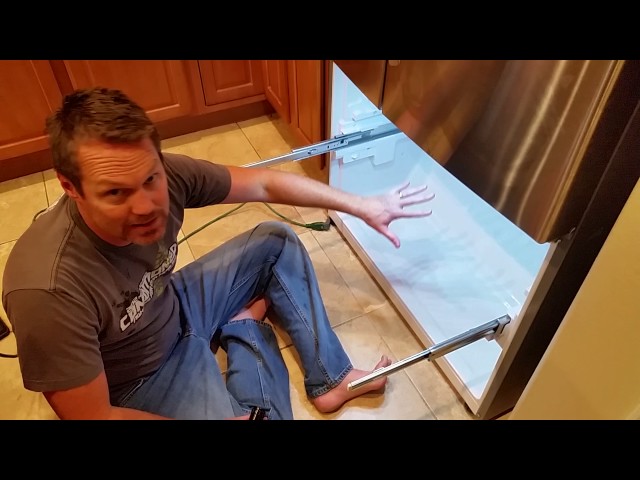
Youtube Video:
Quick Wiring Specifications & Terminal Guide
| Component / Circuit | Standard Wire Gauge | Recommended Protection |
|---|---|---|
| Control & Trigger Signals | 18 – 20 AWG | 5A – 7.5A Inline Fuse |
| Standard Auxiliary Load | 14 – 16 AWG | 15A – 20A Circuit Breaker |
| Main Power Feed / Supply | 10 – 12 AWG | 30A – 40A Heavy-Duty Relay |
Images References
Looking for more diagnostic guides? Explore our complete Refrigerator Problems 4 section for step-by-step troubleshooting solutions.
