
Introduction
A Norcold refrigerator that isn’t cooling when running on electric power can be a frustrating problem, especially when you’re on the road or relying on it in your RV or camper. This issue means your food won’t stay cold, leading to potential spoilage and wasted money. It’s essential to address this problem quickly to prevent food waste and ensure your refrigerator is functioning correctly for your travels. The sooner you troubleshoot, the better chance you have of preventing further issues.
💡 Technical Key Takeaways:
- Core Focus: Diagnostic schematic and terminal connection layout for Norcold Refrigerator Not Cooling On Electric.
- Target Scope: Field technicians, automotive DIYers, and residential/commercial electricians.
- Safety Rule: Always disconnect the primary power source/battery terminal and verify zero voltage with a multimeter before touching wires.
Common Causes of Norcold Refrigerator Not Cooling on Electric
Here are several common reasons why your Norcold refrigerator might not be cooling on electric:
- Tripped Circuit Breaker or Blown Fuse: This is often the first place to check. A tripped breaker or blown fuse cuts off the power supply to the fridge.
- Faulty Heating Element: The heating element is responsible for producing the heat needed to initiate the cooling process. If it fails, the fridge won’t cool.
- Problem with the Power Supply: Issues with the electrical outlet or shore power connection can prevent the refrigerator from receiving power.
- Blocked Venting: Proper ventilation is crucial for the cooling process. Blocked vents can lead to overheating and inefficient cooling.
- Dirty Burner Assembly (if applicable): Although this is more common with propane operation, dirt and debris can sometimes affect the electric components.
- Control Board Issues: The control board manages the refrigerator’s functions. A faulty board can prevent the electric cooling system from operating.
- Incorrect Thermostat Setting: If the thermostat is set too high or not calibrated correctly, the fridge might not cool adequately.
- Overloading the Refrigerator: Packing the fridge too full can restrict airflow and reduce cooling efficiency.
Symptoms Checklist
Here are some indicators that your Norcold refrigerator is not cooling on electric:
- The refrigerator’s interior is warm or only slightly cool.
- The refrigerator’s cooling fins are not cold.
- The refrigerator is plugged in, and the power indicator light is on, but the compressor (if applicable) isn’t running.
- You can hear the fan running, but there’s no noticeable drop in temperature.
- The refrigerator cools fine on propane but not on electric.
How to Fix Norcold Refrigerator Not Cooling on Electric Step-by-Step Guide
Follow these steps to troubleshoot and fix your Norcold refrigerator:
- Check the Power Supply: Ensure the refrigerator is properly plugged into a working electrical outlet. Test the outlet with another device to confirm it’s providing power.
- Inspect the Circuit Breaker or Fuse: Locate the circuit breaker or fuse for the refrigerator and check if it has tripped or blown. Reset the breaker or replace the fuse if necessary.
- Verify the Thermostat Setting: Make sure the thermostat is set to the desired cooling level. Sometimes, the setting can accidentally be turned up too high.
- Check for Blocked Vents: Inspect the refrigerator’s vents, both inside and outside the RV, for any obstructions. Clear away any items blocking the vents.
- Ensure Proper Ventilation: Make sure the refrigerator is installed with adequate ventilation space around it.
- Inspect the Heating Element (Carefully!): If you’re comfortable and know how to do so safely, inspect the heating element. Look for signs of damage, such as breaks or burns. A multimeter can be used to test the heating element’s continuity.
- Check the Control Board Connections: Carefully inspect the wiring connections to the control board. Look for loose or corroded connections.
- Defrost the Refrigerator: Excessive frost buildup can impede cooling. Defrost the refrigerator completely and then try running it on electric again.
- Avoid Overloading the Refrigerator: Make sure the refrigerator isn’t overfilled, allowing for proper air circulation.
- Listen for the Fan Motor: If your refrigerator has a fan, listen to see if it’s running. If the fan isn’t running, it might need to be replaced.
- Reset the Refrigerator: Many Norcold refrigerators have a reset function. Consult your owner’s manual for instructions on how to reset the unit.
- Check for Error Codes: Some Norcold refrigerators display error codes that can help diagnose the problem. Refer to your owner’s manual for a list of error codes and their meanings.
Fix the Issue Without Buying Parts
Before considering replacement parts, try these free methods:
- Reset the Refrigerator: A simple reset can sometimes resolve minor issues.
- Clean the Vents: Ensuring proper ventilation is crucial for efficient cooling.
- Recalibrate the Thermostat: If you suspect the thermostat is inaccurate, try recalibrating it according to the owner’s manual.
- Carefully Inspect All Wiring: Look for loose or corroded connections, and ensure all wires are securely attached.
- Maintain Proper Airflow: Avoid overfilling the refrigerator and ensure items aren’t blocking vents.
When Replacement Might Be Necessary
If you’ve tried all the troubleshooting steps and your refrigerator still isn’t cooling on electric, you might need to replace some parts. Common parts that fail include the heating element and the control board. The heating element typically costs between $50 and $150, while the control board can range from $150 to $400, depending on the model. Replacing the entire refrigerator could cost anywhere from $800 to $2000 or more, depending on the size and features.
Safety Warning
- Always disconnect the refrigerator from the power supply before performing any maintenance or repairs.
- Avoid working on electrical components in wet conditions.
- If you are not comfortable working with electrical components, consult a qualified technician.
- Follow all safety precautions outlined in your owner’s manual.
Tools You May Need
- Screwdrivers (Phillips and flathead)
- Multimeter
- Wire strippers
- Pliers
- Vacuum cleaner or brush
FAQ
Here are some frequently asked questions about Norcold refrigerators not cooling on electric:
- Q: Why is my Norcold refrigerator cooling on propane but not on electric? A: This usually indicates a problem with the heating element or the electric power supply to the refrigerator.
- Q: How do I test the heating element? A: Use a multimeter to check for continuity across the heating element terminals. If there is no continuity, the heating element is likely faulty.
- Q: What should I do if I suspect a control board issue? A: Visually inspect the control board for any signs of damage, such as burnt components. If you’re not comfortable diagnosing the board yourself, consult a technician.
- Q: How often should I clean the refrigerator vents? A: It’s a good practice to clean the vents at least twice a year, or more often if you’re using the refrigerator frequently.
- Q: Is it normal for the refrigerator to take a long time to cool down initially? A: Yes, it can take several hours for the refrigerator to reach its optimal cooling temperature, especially after being turned off for an extended period.
Conclusion
Troubleshooting a Norcold refrigerator that isn’t cooling on electric can seem daunting, but by following these steps, you can often identify and resolve the issue yourself. Remember to prioritize safety and take your time. If you’re not comfortable with any of the steps outlined here, it’s always best to consult a qualified technician. With a little patience and effort, you can get your Norcold refrigerator back up and running efficiently, ensuring your food stays cold and your travels are worry-free!
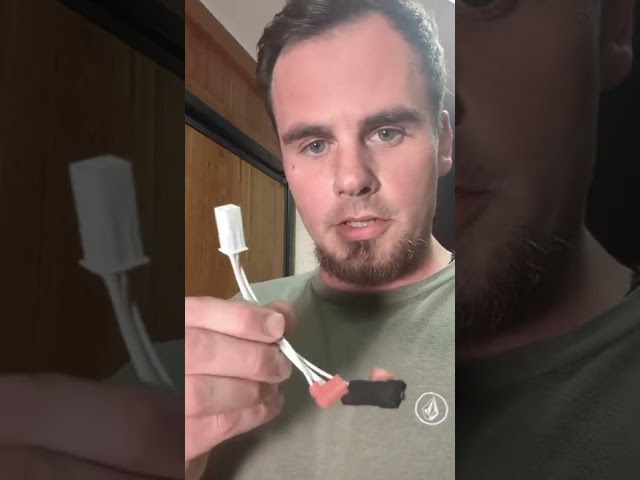
Youtube Video:
Quick Wiring Specifications & Terminal Guide
| Component / Circuit | Standard Wire Gauge | Recommended Protection |
|---|---|---|
| Control & Trigger Signals | 18 – 20 AWG | 5A – 7.5A Inline Fuse |
| Standard Auxiliary Load | 14 – 16 AWG | 15A – 20A Circuit Breaker |
| Main Power Feed / Supply | 10 – 12 AWG | 30A – 40A Heavy-Duty Relay |
Images References
Looking for more diagnostic guides? Explore our complete Refrigerator Problems 4 section for step-by-step troubleshooting solutions.
