Introduction
A washing machine that won’t drain is a common and frustrating problem. When your Kenmore washer is full of water after a wash cycle, it’s more than just inconvenient; it can lead to mold and mildew growth and even damage your laundry room floor. Addressing this problem promptly can save you time, money, and prevent further damage to your appliance and home. The good news is that many causes are easy to diagnose and fix yourself!
Common Causes of Kenmore Washer Not Draining Properly
Here are some of the most common reasons why your Kenmore washer might not be draining properly:
- Clogged Drain Hose: The drain hose carries water away from the washer. If it’s blocked by lint, socks, or other debris, the water can’t escape.
- Clogged Drain Pump Filter: This filter protects the drain pump from larger objects. A buildup of lint and debris can clog it.
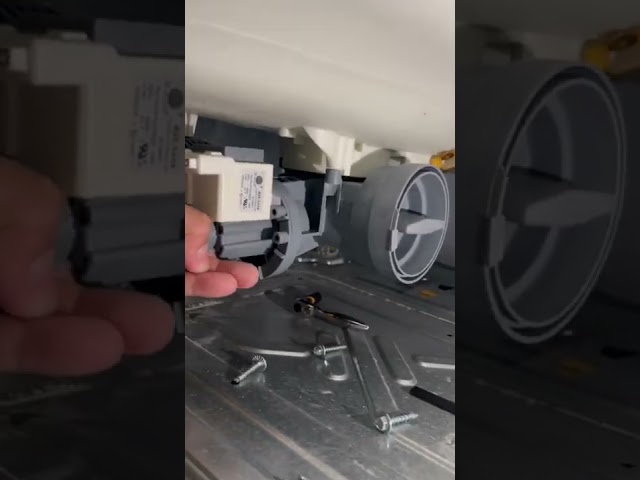
- Faulty Drain Pump: The drain pump is responsible for forcing water out of the washer. If the pump is broken, it won’t be able to do its job.
- Blocked Drainpipe: If the drainpipe where your washer’s hose connects is clogged, water can’t drain away.
- Kinked or Twisted Drain Hose: A kink or twist in the drain hose restricts water flow.
- Lid Switch Issues: Some Kenmore washers have a lid switch that prevents the washer from draining if the lid is open or if the switch is malfunctioning.
- Air Lock in Drain Hose: An air lock can prevent water from flowing freely through the drain hose.
- Control Panel Problems: Rarely, a malfunctioning control panel can prevent the drain cycle from starting.
Symptoms Checklist
Check the following to accurately identify the issue:
- Washer is full of water after the wash cycle completes.
- Washer makes a humming or buzzing sound during the drain cycle but doesn’t drain.
- Water drains very slowly.
- Error code related to draining is displayed on the washer’s control panel.
- You find small items of clothing blocking the drain hose.
How to Fix Kenmore Washer Not Draining Properly Step-by-Step Guide
Follow these steps to troubleshoot your Kenmore washer:
- Unplug the Washer: For your safety, always unplug the washer from the power outlet before starting any repairs.
- Inspect the Drain Hose: Check the drain hose for kinks, twists, or blockages. Straighten any kinks and remove any visible obstructions.
- Detach the Drain Hose: Carefully detach the drain hose from both the washer and the drainpipe.
- Flush the Drain Hose: Use a garden hose or faucet to flush out any debris from the drain hose.
- Check the Drainpipe: Ensure the drainpipe where the drain hose connects is not clogged. You can use a plumber’s snake or a bent coat hanger to clear any blockage.
- Locate the Drain Pump Filter: The location varies depending on the model, but it’s usually at the front, bottom of the washer, behind a small access panel. Consult your owner’s manual if needed.
- Drain Remaining Water: Before opening the filter access, place a shallow pan and some towels to catch any water that spills out.
- Clean the Drain Pump Filter: Carefully remove the drain pump filter and clean it thoroughly under running water. Remove any lint, hair, or debris.
- Reinstall the Drain Pump Filter: Securely reinstall the drain pump filter.
- Check the Lid Switch: Manually push the lid switch to see if it clicks properly. If it feels loose or doesn’t click, it might be faulty.
- Test the Drain Cycle: Plug the washer back in and select a drain and spin cycle to see if the washer now drains properly.
- Listen to the Drain Pump: During the drain cycle, listen for the drain pump. If you hear a humming noise but no water draining, the pump may be blocked or faulty.
- Check for Air Lock: If the hose is properly connected, try lowering the drain hose closer to the floor while the washer is running a drain cycle. This can sometimes dislodge an air lock.
Fix the Issue Without Buying Parts
Here are some things you can try before considering replacing parts:
- Washer Reset: Unplug your washer for about 1 minute. Plug it back in. This can sometimes reset the control panel and resolve minor issues.
- Cleaning Cycles: Run a washer cleaning cycle with a washing machine cleaner to remove buildup that may be affecting drainage.
- Maintenance: Regularly clean the lint trap and drain hose to prevent future clogs.
- Avoid Overloading: Overloading the washer can put extra strain on the drain pump. Follow the manufacturer’s guidelines for load sizes.
When Replacement Might Be Necessary
If the steps above don’t resolve the issue, you might need to replace the drain pump. A new drain pump typically costs between $50 and $150, depending on the model. Other parts that could potentially fail include the lid switch (around $20-$50) or, in rare cases, the control board (which can be more expensive, ranging from $100-$300). Only consider replacement if the cheaper solutions have been exhausted.
Safety Warning
- Always unplug the washer before performing any repairs.
- Avoid standing in water while working on electrical appliances.
- Be careful when handling tools and sharp objects.
- If you’re not comfortable performing repairs yourself, consult a qualified appliance repair technician.
Tools You May Need
- Screwdrivers (Phillips and flathead)
- Pliers
- Shallow pan
- Towels
- Plumber’s snake or bent coat hanger
- Garden hose
FAQ
Here are some frequently asked questions about washer drainage problems:
- Q: Why is my washer making a humming noise but not draining? A: This usually indicates a blockage in the drain pump or a faulty pump.
- Q: How often should I clean the drain pump filter? A: It’s recommended to clean it every 3-6 months, or more often if you wash heavily soiled items.
- Q: Can I use bleach to unclog the drain hose? A: While bleach can help, it’s best to use a specialized washing machine cleaner to avoid damaging the hose.
- Q: What should I do if I can’t find the drain pump filter? A: Consult your owner’s manual for the exact location of the filter.
Conclusion
A Kenmore washer that won’t drain is a nuisance, but with a little patience and these troubleshooting steps, you can often fix the problem yourself. Start with the easy solutions like checking the drain hose and cleaning the filter. Don’t hesitate to try resetting the machine. If the problem persists after trying these steps, it might be time to call a qualified appliance repair technician. Good luck!
Youtube Video:
Looking for more useful options?
Check out recommended resources that others find helpful.