Introduction
A leaking front load washer door is a common problem that can lead to water damage and wasted water. It’s usually noticed during the wash or rinse cycle when water pools on the floor in front of the machine. Addressing this issue promptly can prevent further damage to your flooring and the washer itself. The good news is that many causes are simple to fix yourself, saving you a costly repair bill!
Common Causes of leaking front load washer door
Here are some of the most frequent reasons why your front load washer door might be leaking:
- Detergent Overuse: Too much detergent creates excessive suds that can escape through the door seal.
- Incorrect Detergent Type: Using regular detergent instead of HE (High Efficiency) detergent produces too many suds.
- Dirty Door Seal (Gasket): Dirt, grime, and mold buildup on the rubber seal prevent a tight seal.
- Damaged Door Seal (Gasket): Tears, cracks, or deterioration in the rubber seal allow water to escape.
- Door Not Properly Closed: A slight obstruction or not firmly closing the door can prevent a complete seal.
- Washer Overload: Overfilling the washer drum can push water against the door with excessive force.
- Clogged Drain Pump Filter: A blocked filter can cause back pressure, forcing water out through the door.
- Uneven Washer Leveling: If the washer isn’t level, it can cause uneven weight distribution and leaks.
- Worn Door Hinge: A loose or worn door hinge can misalign the door and prevent a tight seal.
Symptoms Checklist
Confirm if your issue is related to the door seal with these checks:
- Water pooling on the floor in front of the washing machine during a wash cycle.
- Visible water dripping from the bottom of the door.
- A musty or moldy smell coming from the door area.
- The door seal appears dirty, cracked, or torn.
- Difficulty closing the door completely.
- Excessive suds visible inside the washer during the cycle.
How to Fix leaking front load washer door Step-by-Step Guide
Follow these steps to troubleshoot and fix a leaking washer door:
- Stop the Washer: Immediately stop the washing machine cycle to prevent further water damage.
- Clean Up Spilled Water: Use towels to soak up any water on the floor around the washer.
- Inspect the Door Seal (Gasket): Carefully examine the rubber seal around the door opening for dirt, grime, mold, tears, or cracks.
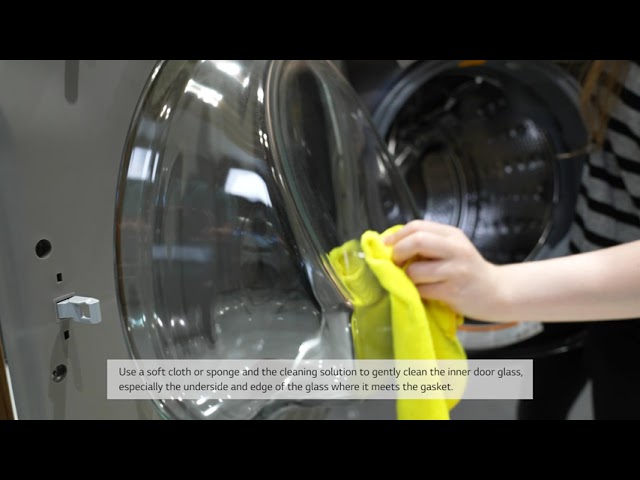
- Clean the Door Seal: Use a damp cloth with mild soap to thoroughly clean the entire door seal. Pay close attention to crevices. Rinse with clean water and dry.
- Check for Obstructions: Ensure nothing is caught in the door seal, such as small pieces of clothing or debris.
- Verify Door Closure: Make sure the door is closing completely and securely. Listen for a distinct click.
- Reduce Detergent Usage: Use less detergent, especially if you have soft water. Follow the manufacturer’s instructions on the detergent package.
- Switch to HE Detergent: If you’re not already using HE detergent, switch to one specifically designed for front load washers.
- Check Washer Leveling: Use a level to ensure the washing machine is level. Adjust the leveling feet at the bottom of the washer as needed.
- Inspect the Drain Pump Filter: Locate and clean the drain pump filter (usually at the bottom front of the washer). Refer to your owner’s manual for instructions.
- Run a Cleaning Cycle: Run a washer cleaning cycle with a washing machine cleaner to remove buildup and residue.
- Test the Washer: After completing these steps, run a normal wash cycle and monitor for leaks.
- Check door hinge. Open and close the door slowly. Look for loose or broken hinges.
Fix the Issue Without Buying Parts
Many leaks can be resolved without buying new parts:
- Cleaning the door seal regularly helps prevent buildup that causes leaks. Wipe it down after each use.
- Using the correct amount and type of detergent prevents excessive suds.
- Ensuring the washer is level prevents uneven weight distribution.
- Regularly cleaning the drain pump filter prevents blockages and back pressure.
When Replacement Might Be Necessary
If cleaning and adjustments don’t solve the problem, replacement of parts might be needed. A damaged door seal is a common culprit. Replacing the door seal can range from $50 to $200, depending on the washer model and whether you hire a technician. Replacing the door hinges could be around $30 to $100.
Safety Warning
- Always unplug the washing machine from the power outlet before performing any maintenance or repairs.
- Be careful when working with water to avoid electric shock.
- Clean up any spilled water immediately to prevent slips and falls.
- If you’re uncomfortable performing any of these steps, consult a qualified appliance repair technician.
Tools You May Need
- Screwdrivers (Phillips head and flat head)
- Adjustable wrench
- Level
- Clean cloths or towels
- Mild soap
- Bucket
FAQ
Here are some frequently asked questions about leaking washer doors:
- Q: Why is my new washing machine leaking? A: It’s possible the door seal wasn’t properly installed, or there could be a manufacturing defect. Contact the manufacturer or retailer.
- Q: How often should I clean the door seal? A: Ideally, wipe down the seal after each use. Do a more thorough cleaning with soap and water monthly.
- Q: Can I use bleach to clean the door seal? A: Avoid using bleach regularly as it can degrade the rubber over time. Use a diluted solution if necessary.
- Q: My washer is leaking even with a new door seal. What could be the problem? A: There might be an issue with the door latch, the door hinges, or the washer’s leveling.
Conclusion
Don’t let a leaking front load washer door cause you stress! By following these simple troubleshooting steps, you can often identify and fix the problem yourself. Remember to prioritize safety and take your time. If you’re unable to resolve the leak on your own, don’t hesitate to call a qualified appliance repair technician for assistance. You got this!
Youtube Video:
Looking for more useful options?
Check out recommended resources that others find helpful.