Introduction
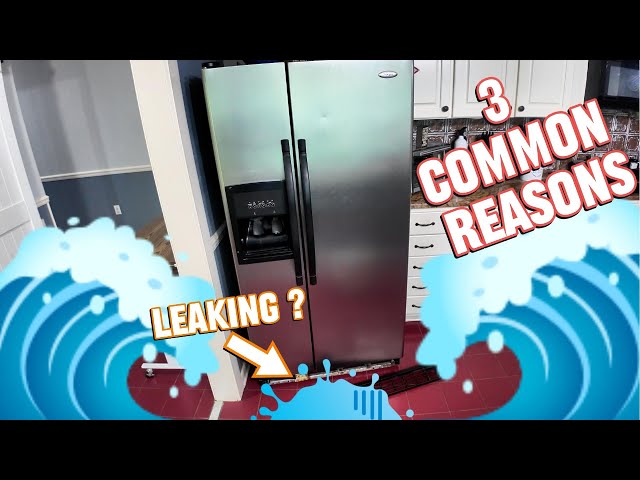
Discovering your Whirlpool fridge is leaking water can be concerning. Water leaks not only create a mess but can also damage your flooring and even pose a safety hazard. A leaky fridge often signals a problem with its internal components, such as the defrost system, water line, or drain. Addressing the leak promptly can prevent further damage and costly repairs. This guide will help you troubleshoot the issue and hopefully fix it yourself.
Common Causes of Whirlpool Fridge is Leaking Water
Here are some of the most common reasons why your Whirlpool fridge might be leaking water:
- Clogged Defrost Drain: This is the most common culprit. The drain carries away water from the defrost cycle, and if it’s blocked, water can overflow.
- Frozen Defrost Drain: Similar to a clog, but caused by ice build-up blocking the drain.
- Faulty Water Inlet Valve: This valve controls the water supply to the ice maker and water dispenser. If it’s leaking, water can accumulate.
- Loose or Cracked Water Line: The water line connected to the fridge can develop leaks over time due to wear and tear.
- Clogged or Frozen Ice Maker: When the ice maker is blocked, the water overflows and leaks.
- Damaged Water Filter Housing: Cracks or improper installation of the water filter can lead to leaks.
- Leaking Water Dispenser Components: Internal dispenser tubes or valves can wear out and leak.
- Cracked Drain Pan: The drain pan beneath the fridge collects water, and if it’s cracked, it will leak.
- Uneven Fridge Leveling: If the fridge isn’t level, water can collect in areas it shouldn’t, potentially leading to leaks.
Symptoms Checklist
Check these indicators to help identify the source of the leak:
- Puddle of water at the base of the fridge.
- Water leaking from inside the fridge.
- Ice build-up in the freezer.
- Water dripping from the freezer ceiling.
- Water pooling under the crisper drawers.
- Reduced or no water flow from the water dispenser.
- Unusual noises from the ice maker.
How to Fix Whirlpool Fridge is Leaking Water Step-by-Step Guide
Follow these steps to troubleshoot and fix your leaky fridge:
- Unplug the Fridge: Always disconnect the power before starting any repairs.
- Locate the Defrost Drain: It’s usually at the back of the freezer, often behind a panel. Refer to your fridge’s user manual for the exact location.
- Check for Ice Build-Up: If the drain is frozen, use a hair dryer (on a low setting) to carefully melt the ice. Avoid using sharp objects that could damage the drain.
- Clear the Defrost Drain: Use a long, flexible object like a pipe cleaner, turkey baster, or even a thin, flexible wire to clear any clogs in the drain.
- Flush the Drain: Pour a cup of warm water down the drain to ensure it’s clear. Watch for the water to drain properly into the drain pan.
- Inspect the Water Line: Check the water line connection at the back of the fridge and the water inlet valve for any leaks or cracks. Tighten connections if needed.
- Examine the Water Filter: Remove and re-install the water filter to ensure it’s properly seated. Check the filter housing for any cracks or damage.
- Check the Drain Pan: Locate the drain pan (usually at the bottom of the fridge) and inspect it for cracks or damage. Empty the pan if it’s full.
- Level the Fridge: Use a level to ensure the fridge is properly leveled. Adjust the feet as needed.
- Inspect the Ice Maker: Check for ice build-up or blockages in the ice maker. Manually defrost the ice maker if necessary.
- Test the Water Dispenser: Operate the water dispenser to check for leaks around the dispenser valve and tubing.
- Clean Condenser Coils: Use a vacuum cleaner with a brush attachment to clean the condenser coils (usually located at the back or bottom of the fridge). Dirty coils can cause the fridge to work harder and potentially lead to defrost problems.
- Monitor the Fridge: After completing these steps, plug the fridge back in and monitor it for a few days to see if the leak has stopped.
Fix the Issue Without Buying Parts
Often, you can resolve a leaky fridge issue without immediately buying new parts:
- Reset the Fridge: Unplug the fridge for 10 minutes and then plug it back in. This can sometimes reset the defrost cycle and resolve minor issues.
- Thorough Cleaning: Clean the inside of the fridge, paying special attention to the back wall and any areas where water might be collecting.
- Inspect for Blockages: Carefully check for any items blocking air vents inside the fridge or freezer, as this can disrupt airflow and cause defrost problems.
- Regular Maintenance: Clean the condenser coils every 6 months to ensure efficient operation.
When Replacement Might Be Necessary
In some cases, a part replacement may be unavoidable:
- Damaged Drain Pan: If the drain pan is cracked beyond repair, it will need to be replaced. Cost: $20-$50 USD.
- Faulty Water Inlet Valve: If the water inlet valve is leaking even after tightening connections, it needs to be replaced. Cost: $30-$70 USD.
- Cracked Water Filter Housing: A cracked water filter housing will continue to leak and requires replacement. Cost: $25-$60 USD.
Safety Warning
Keep these safety tips in mind while working on your fridge:
- Always unplug the fridge from the power outlet before starting any repairs.
- Be careful when using a hair dryer to melt ice, as water and electricity can be dangerous.
- Wear gloves to protect your hands from sharp edges or cold temperatures.
- Clean up any water spills immediately to prevent slips and falls.
Tools You May Need
Here’s a list of tools that might come in handy:
- Screwdriver (Phillips and flathead)
- Adjustable wrench
- Pliers
- Hair dryer
- Pipe cleaner or flexible wire
- Vacuum cleaner with brush attachment
- Level
FAQ
Here are some frequently asked questions about leaky fridges:
- Q: Why is my fridge leaking only after I use the water dispenser? A: This likely indicates a leak in the water dispenser components or a loose connection. Check the water lines and valve behind the fridge.
- Q: How often should I clean the condenser coils? A: It’s recommended to clean the condenser coils every 6 months.
- Q: What if the defrost drain is completely blocked and I can’t clear it? A: You might need to use a steamer or a wet/dry vacuum with a small nozzle to try and dislodge the blockage. If that doesn’t work, consider calling a professional.
- Q: My fridge is leaking, but I don’t have a water dispenser or ice maker. What could be the cause? A: In this case, the most likely cause is a clogged or frozen defrost drain.
Conclusion
A leaky Whirlpool fridge can be a nuisance, but with a little troubleshooting, you can often resolve the issue yourself. By following these steps, you can identify the source of the leak and take the necessary steps to fix it. Remember to prioritize safety and take your time. If you’re uncomfortable with any of these steps, don’t hesitate to call a qualified appliance repair technician. Often you can save time and money doing the simple steps first.
Youtube Video:
Looking for more useful options?
Check out recommended resources that others find helpful.