Introduction
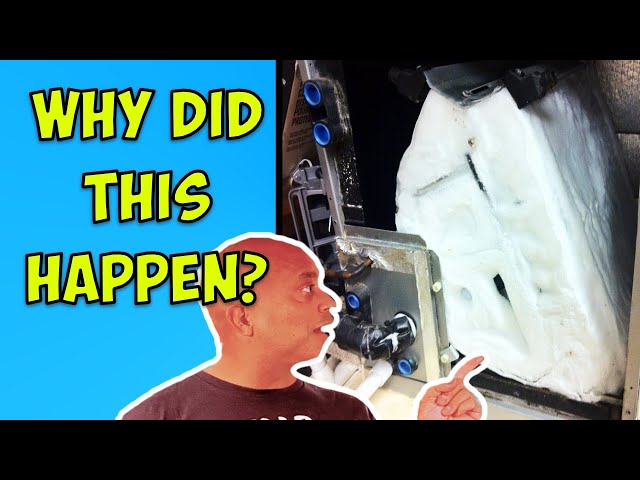
Your home’s air conditioner relies on coils to cool the air. These coils contain refrigerant, which absorbs heat. Sometimes, these coils can freeze up, turning into a block of ice. This is a problem because frozen coils prevent your AC from cooling your home effectively. You might notice your AC running constantly but not lowering the temperature, or even ice forming on the outdoor unit. Addressing frozen coils quickly is crucial. Prolonged freezing can damage your AC system and lead to costly repairs.
Common Causes of Home AC Coils Freezing
Several factors can cause your AC coils to freeze:
- Low Refrigerant: Not enough refrigerant reduces the coil’s temperature, causing moisture to freeze.
- Dirty Air Filter: A clogged filter restricts airflow, making the coils too cold.
- Blocked Return Vents: Obstructed return vents also limit airflow to the AC unit.
- Dirty Evaporator Coils: Dirt and dust insulate the coils, hindering heat absorption and causing them to freeze.
- Blower Fan Problems: A malfunctioning blower fan reduces airflow across the coils.
- Low Outdoor Temperature: Running your AC when it’s very cold outside can cause the coils to freeze.
- Leaky Ductwork: Leaks in the ductwork can cause uneven cooling and potential freezing.
- Closed Vents: Closing too many vents can restrict airflow and cause ice buildup on the coils.
Symptoms Checklist
Look for these signs to determine if your AC coils are freezing:
- AC is running constantly but not cooling the house.
- Ice visible on the indoor or outdoor AC unit.
- Weak or no airflow coming from vents.
- Higher-than-usual energy bills.
- Water leaking around the indoor unit (when the ice melts).
- Strange noises coming from the AC unit.
How to Fix Home AC Coils Freezing Step-by-Step Guide
Follow these steps to troubleshoot and potentially fix the issue:
- Turn Off the AC: Immediately turn off your AC system to allow the coils to thaw.
- Turn on Only the Fan: Switch the thermostat to “Fan Only” mode. This will help melt the ice faster by circulating air.
- Inspect the Air Filter: Remove the air filter and check for dirt and debris. If it’s dirty, replace it with a new one.
- Check Return Vents: Ensure that all return vents are open and not blocked by furniture or other objects.
- Inspect Supply Vents: Ensure that most supply vents are open, and not closed. A few closed vents are OK, but too many will restrict air flow.
- Wait for Thawing: Allow several hours for the coils to thaw completely. A hairdryer (on a low setting and kept a safe distance) can carefully be used to speed up the process, but be extremely cautious and avoid direct contact with any electrical components.
- Inspect the Outdoor Unit: Check the outdoor unit for any obstructions, such as leaves or debris blocking the fins. Gently clear away any blockage.
- Clean the Evaporator Coils (if accessible): If you can safely access the evaporator coils (usually located in the indoor unit), carefully clean them with a soft brush or vacuum cleaner attachment to remove dust and debris. Be gentle to avoid damaging the fins.
- Check for Leaks: After thawing, turn the AC back on and monitor for any signs of refrigerant leaks, such as a hissing sound or oily residue near connections.
- Monitor Performance: Observe the AC’s performance over the next few hours. Is it cooling properly? Is the airflow improved?
- If the Coils Refreeze: If the coils refreeze quickly after restarting, the problem is likely more serious, such as a refrigerant leak.
- Record Observations: Note down the steps you’ve taken and the results you’ve observed. This information will be helpful if you need to call a technician.
Fix the Issue Without Buying Parts
Before considering replacement parts, try these free methods:
- Reset the AC: Turn off the AC at the breaker for 30 minutes, then turn it back on. This can sometimes reset the system and resolve minor issues.
- Thorough Cleaning: Clean both the air filter and the evaporator coils regularly to maintain proper airflow.
- Inspect Ductwork: Visually inspect accessible ductwork for any obvious leaks or damage. Seal any small leaks with duct tape (not duct tape that is commonly found. Use the professional grade aluminum tape) to improve efficiency.
- Adjust Thermostat Settings: Avoid setting the thermostat too low, as this can overwork the system and contribute to freezing.
- Regular Maintenance: Schedule annual AC maintenance to catch potential problems early.
When Replacement Might Be Necessary
If the coils continue to freeze after troubleshooting, or if you suspect a refrigerant leak, replacement of parts might be necessary. Common parts that might need replacement include:
- Refrigerant: A refrigerant recharge can range from $200 to $800, depending on the type of refrigerant and the amount needed.
- Evaporator Coils: Replacing the evaporator coils can cost between $800 and $2000, including labor.
- Blower Motor: Replacing the blower motor can cost between $300 and $800, including labor.
Safety Warning
- Always turn off the AC at the breaker before performing any maintenance.
- Avoid touching any electrical components with wet hands.
- Be careful when using a hairdryer to thaw the coils to avoid electric shock.
- If you suspect a refrigerant leak, avoid direct contact with the refrigerant, as it can cause frostbite.
Tools You May Need
- Screwdriver (Phillips and flathead)
- Vacuum cleaner with brush attachment
- Soft brush
- Air filter
- Duct tape (foil tape preferred)
- Flashlight
FAQ
Here are some frequently asked questions:
- Q: How often should I change my air filter? A: Every 1-3 months, depending on usage and air quality.
- Q: Can I run my AC when it’s cold outside? A: It’s best to avoid running your AC when the outdoor temperature is below 60F, as this can cause the coils to freeze.
- Q: How do I know if I have a refrigerant leak? A: Signs of a refrigerant leak include a hissing sound, oily residue near connections, and the AC not cooling properly.
- Q: Is it safe to clean the evaporator coils myself? A: Yes, but be very careful not to damage the fins. Turn off the power to the AC unit before cleaning.
Conclusion
Frozen AC coils are a common problem that can often be resolved with simple troubleshooting steps. By checking the air filter, clearing obstructions, and ensuring proper airflow, you can often prevent coil freezing and keep your AC running efficiently. If the problem persists, don’t hesitate to contact a qualified HVAC technician for assistance. Attempting these initial steps can save you money and time before needing professional help.
Youtube Video:
Looking for more useful options?
Check out recommended resources that others find helpful.