
Introduction
Is your Frigidaire top-load washer leaving fabric softener sitting in the dispenser after the wash cycle? This is a common issue that can be frustrating, leaving your clothes without the desired softening effect and potentially causing residue buildup. A clogged or malfunctioning dispenser can lead to wasted fabric softener and even affect the overall cleaning performance of your washing machine. Addressing this issue promptly is important to ensure your washer works efficiently and your clothes receive the proper treatment. Explore more in our Washing Machine Problems 2 collection.
💡 Technical Key Takeaways:
- Core Focus: Diagnostic schematic and terminal connection layout for Frigidaire Top Load Washer Fabric Softener Dispenser Not Draining.
- Target Scope: Field technicians, automotive DIYers, and residential/commercial electricians.
- Safety Rule: Always disconnect the primary power source/battery terminal and verify zero voltage with a multimeter before touching wires.
Common Causes of Frigidaire Top Load Washer Fabric Softener Dispenser Not Draining
Here are some of the most frequent reasons why your Frigidaire top-load washer’s fabric softener dispenser isn’t draining properly:. For more related activities, check out our Amana Front Load Washer Not Spinning.
- Clogged Dispenser Nozzle: Dried fabric softener or detergent residue can block the small opening where the softener is released.
- Excessive Fabric Softener: Using too much fabric softener can create a thick, sticky residue that clogs the system.
- Improper Fabric Softener Dilution: Fabric softener should be diluted with water according to the manufacturer’s instructions. Undiluted softener is much more prone to causing clogs.
- Dispenser Drawer Clog: The drawer itself might have a buildup of detergent and softener, preventing proper flow.
- Drainage Hose Obstruction: A blockage in the small hose that connects the dispenser to the washer drum can prevent draining.
- Low Water Pressure: Insufficient water pressure can hinder the dispenser from flushing completely.
- Incorrect Washer Settings: Using a cycle that doesn’t include a rinse cycle at the appropriate time for softener dispensing will cause it to remain in the dispenser.
- Siphon Issues: The design of the dispenser relies on a siphoning action. If this is disrupted, the softener won’t drain.
- Debris in the Water Inlet Valve: While less common, debris in the water inlet valve can reduce water flow to the dispenser.
Symptoms Checklist
Use this checklist to confirm the issue:
- Fabric softener remains in the dispenser after the wash cycle.
- You notice a buildup of residue in or around the dispenser.
- Clothes are not as soft as they usually are after washing.
- You might see small chunks of fabric softener in the dispenser.
- The dispenser drawer is difficult to pull out or push in.
How to Fix Frigidaire Top Load Washer Fabric Softener Dispenser Not Draining Step-by-Step Guide
Follow these steps to troubleshoot and fix the problem:
- Unplug the Washer: For safety, disconnect the power cord from the outlet before beginning any troubleshooting.
- Remove the Dispenser Drawer: Locate the fabric softener dispenser drawer and carefully pull it out. Refer to your washer’s manual for specific instructions if needed.
- Inspect the Dispenser Drawer: Check for any visible clogs or buildup of residue in the drawer.
- Clean the Dispenser Drawer: Rinse the drawer thoroughly with hot water. Use a small brush or toothbrush to scrub away any stubborn residue. You can also use a mild detergent.
- Clean the Dispenser Housing: Look inside the dispenser housing where the drawer sits. Use a damp cloth to wipe away any buildup. A small brush can help reach tight spaces.
- Check the Dispenser Nozzle: Locate the small opening (nozzle) where the fabric softener is dispensed. Use a small pin, toothpick, or pipe cleaner to gently clear any blockages.
- Flush the Dispenser System: After cleaning, pour a cup of hot water into the dispenser housing to flush out any remaining debris.
- Inspect the Water Inlet Valve Screens: Locate the water inlet valve connections at the back of the washer. Disconnect the hoses and inspect the screens for any debris. Clean the screens if necessary.
- Check Water Pressure: Ensure that your home’s water pressure is adequate. Low water pressure can hinder the dispensing process.
- Reassemble the Dispenser: Once everything is clean and clear, reinsert the dispenser drawer.
- Run a Test Cycle: Add a small amount of diluted fabric softener to the dispenser and run a short wash cycle to test if the dispenser is now draining properly.
- Check the Drainage Hose: If the problem persists, locate the small hose connecting the dispenser to the main wash drum. Disconnect it and check for kinks or blockages. Clear any obstructions.
- Review Your Usage Habits: Make sure you’re using the correct amount of fabric softener and diluting it properly. Overuse is a common cause of clogs.
- Consult Your Washer’s Manual: Refer to your Frigidaire washer’s manual for specific cleaning and maintenance recommendations for the fabric softener dispenser.
- Repeat If Necessary: If the dispenser is still not draining, repeat the cleaning steps and check for any remaining obstructions.
Fix the Issue Without Buying Parts
Before considering replacement parts, try these cost-free methods:
- Reset the Washer: Unplug the washer for 5-10 minutes, then plug it back in. This can sometimes reset the control board and resolve minor issues.
- Deep Cleaning: Regularly clean the entire washer, including the drum and dispenser, with a washing machine cleaner to prevent residue buildup.
- Proper Dilution: Always dilute fabric softener with water as instructed on the softener’s packaging.
- Maintenance Wash: Run an empty wash cycle with hot water and vinegar or bleach every month to keep the washer clean and prevent clogs.
When Replacement Might Be Necessary
If you’ve tried all the troubleshooting steps and the dispenser still isn’t working, a replacement part might be needed. Common parts that fail include:. Discover more free resources across our collection library.
- Dispenser Assembly: If the dispenser itself is cracked or damaged beyond repair, it may need to be replaced. (Estimated cost: $50-$150 USD)
- Water Inlet Valve: If the valve is malfunctioning and not supplying water to the dispenser, it might need replacement. (Estimated cost: $40-$100 USD)
Consult a qualified appliance repair technician for proper diagnosis and part replacement.
Safety Warning
- Always unplug the washer before performing any repairs or maintenance.
- Avoid getting water on electrical components.
- Be careful when handling tools and sharp objects.
- If you are uncomfortable performing any of these steps, contact a qualified appliance repair technician.
- Clean up any spills immediately to prevent slips and falls.
Tools You May Need
- Screwdrivers (Phillips and flathead)
- Pliers
- Small brush or toothbrush
- Pin, toothpick, or pipe cleaner
- Bucket or container
- Towels
FAQ
Here are some frequently asked questions about this issue:
- Q: Why is my fabric softener dispenser overflowing? A: This can be caused by using too much fabric softener, a clogged drain hose, or a faulty water inlet valve.
- Q: Can I use vinegar to clean the fabric softener dispenser? A: Yes, vinegar is a great natural cleaner for removing fabric softener residue.
- Q: How often should I clean the fabric softener dispenser? A: It’s recommended to clean the dispenser every month or two, or more frequently if you notice buildup.
- Q: Is it safe to use a metal object to unclog the dispenser nozzle? A: Be very careful if using a metal object, as you could damage the nozzle. A plastic toothpick or pipe cleaner is generally safer.
Conclusion
A clogged fabric softener dispenser can be a nuisance, but with these troubleshooting steps, you can often resolve the issue yourself. By following this guide, you can save money on repair costs and keep your Frigidaire top-load washer running smoothly. If you’ve exhausted all the DIY options and the problem persists, don’t hesitate to contact a qualified appliance repair technician for professional assistance.
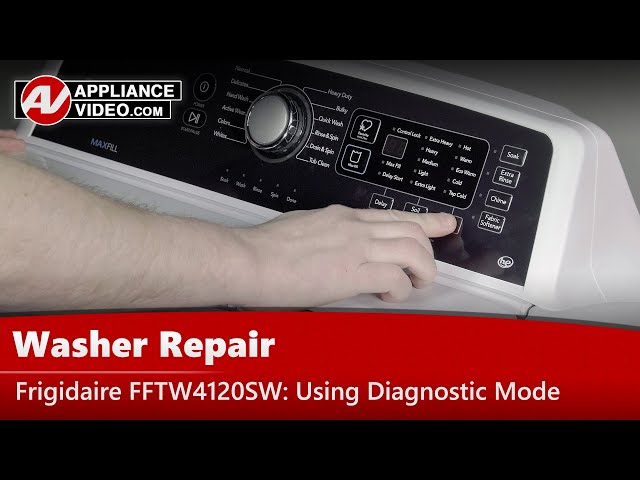
Youtube Video:
Quick Wiring Specifications & Terminal Guide
| Component / Circuit | Standard Wire Gauge | Recommended Protection |
|---|---|---|
| Control & Trigger Signals | 18 – 20 AWG | 5A – 7.5A Inline Fuse |
| Standard Auxiliary Load | 14 – 16 AWG | 15A – 20A Circuit Breaker |
| Main Power Feed / Supply | 10 – 12 AWG | 30A – 40A Heavy-Duty Relay |
