Introduction
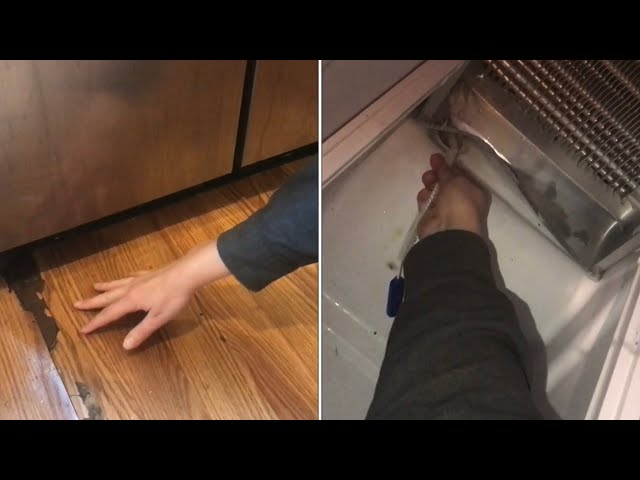
A water leak from your Frigidaire refrigerator can be a frustrating and potentially damaging problem. It’s important to address it quickly to prevent water damage to your floors and surrounding areas, and to avoid potential mold growth. Leaks can stem from various sources, and identifying the cause early can save you time and money. This guide provides a step-by-step approach to diagnosing and fixing common refrigerator leak problems without immediately resorting to expensive repairs or replacements. The sooner you tackle the leak, the less likely it is to cause significant damage.
Common Causes of frigidaire refrigerator troubleshooting water leak
Here are some of the most frequent reasons for a water leak in your Frigidaire refrigerator:
- Clogged Defrost Drain: Ice buildup in the freezer melts during the defrost cycle, and the water is supposed to drain through a tube. If this tube is blocked, the water overflows and leaks.
- Frozen Water Line: If your refrigerator has an ice maker or water dispenser, the water line supplying it can freeze, causing a leak when it thaws.
- Loose Water Line Connections: The connections on the water line (usually plastic or copper) can loosen over time, leading to drips.
- Cracked or Damaged Water Filter Housing: If your refrigerator has a water filter, the housing can crack, causing water to leak when the filter is in use.
- Faulty Water Inlet Valve: This valve controls the water flow to the ice maker and water dispenser. If it malfunctions, it can leak even when the appliances aren’t in use.
- Damaged Drain Pan: Located at the bottom of the refrigerator, the drain pan collects water from the defrost cycle. A cracked or overflowing pan can cause leaks.
- Door Seal Issues: A damaged or dirty door seal can allow warm, moist air to enter the refrigerator, causing excessive condensation that leads to leaks.
- High Humidity: In very humid environments, your refrigerator may produce more condensation than usual, which can result in water accumulating and leaking.
Symptoms Checklist
Use this checklist to confirm your Frigidaire refrigerator’s water leak issue accurately:
- Water pooling on the floor in front of the refrigerator.
- Water leaking from underneath the refrigerator.
- Ice buildup in the freezer.
- Visible drips from the back of the refrigerator.
- Dampness or moisture inside the refrigerator.
- A musty or moldy smell coming from the refrigerator.
- Water stains on the floor around the refrigerator.
How to Fix frigidaire refrigerator troubleshooting water leak Step-by-Step Guide
Follow these steps to troubleshoot and fix your Frigidaire refrigerator water leak:
- Unplug the Refrigerator: For safety, always unplug the refrigerator before starting any troubleshooting or repairs.
- Locate the Leak Source: Carefully inspect the areas mentioned in “Common Causes” to identify where the water is coming from. Use a flashlight to check hard-to-see areas.
- Check the Defrost Drain: Open the freezer and locate the defrost drain hole (usually at the back wall, near the bottom).
- Clear the Defrost Drain: Use a turkey baster, warm water, or a long, flexible object like a pipe cleaner to flush out the drain. You may need to repeat this several times.
- Inspect the Water Line: If your refrigerator has an ice maker or water dispenser, check the water line connections at the back of the refrigerator and behind the refrigerator. Look for leaks or loose fittings.
- Tighten Water Line Connections: If you find loose connections, carefully tighten them with a wrench. Be careful not to overtighten.
- Check the Water Filter Housing: Remove the water filter and inspect the housing for cracks or damage.
- Inspect the Drain Pan: Locate the drain pan (usually at the bottom of the refrigerator) and check if it’s overflowing or cracked.
- Empty the Drain Pan: If the pan is full, carefully remove it and empty the water. Clean the pan before replacing it.
- Clean the Door Seals: Use a damp cloth to clean the refrigerator door seals. Remove any dirt or debris that could prevent a proper seal.
- Test the Refrigerator: Plug the refrigerator back in and monitor it for any signs of leaks.
- Check Water Dispenser and Ice Maker: If the leak seems related to either, try turning them off for a day or two to see if the leaking stops. This can help narrow down the problem.
- Listen for Unusual Noises: Pay attention to any unusual sounds coming from the back of the fridge near the water inlet valve.
Fix the Issue Without Buying Parts
Often, refrigerator leaks can be resolved without needing to buy new parts:
- Reset the Refrigerator: Unplug the refrigerator for 30 minutes, then plug it back in. This can sometimes reset internal functions and resolve minor issues.
- Regular Cleaning: Regularly clean the inside of your refrigerator and freezer to prevent ice buildup and maintain proper drainage.
- Adjust Temperature Settings: Make sure the temperature settings are appropriate. Extremely cold settings can cause excessive ice formation.
- Inspect Regularly: Periodically inspect the back of the refrigerator for signs of leaks or loose connections.
- Ensure Proper Ventilation: Ensure there’s enough space around the refrigerator for proper ventilation.
When Replacement Might Be Necessary
In some cases, replacement of parts may be required. Here are some scenarios:
- Water Inlet Valve: If the valve is faulty and leaking, it will need to be replaced (estimated cost: $50-$150).
- Water Filter Housing: A cracked or damaged housing will require replacement (estimated cost: $30-$80).
- Drain Pan: A severely cracked drain pan will need to be replaced (estimated cost: $20-$50).
- Water Line: If the water line is old, brittle, and prone to leaks, consider replacing it with a new one (estimated cost: $20-$40).
Safety Warning
Follow these safety precautions during troubleshooting and repair:
- Always unplug the refrigerator before starting any work.
- Be careful when handling water to avoid electric shock.
- Wear gloves to protect your hands.
- Clean up any spilled water immediately to prevent slips and falls.
- If you’re uncomfortable performing any of these steps, consult a qualified appliance repair technician.
Tools You May Need
Here’s a list of tools you might find helpful:
- Screwdrivers (Phillips and flathead)
- Adjustable wrench
- Flashlight
- Turkey baster or syringe
- Pipe cleaner or flexible wire
- Towels or rags
- Bucket
- Gloves
FAQ
Here are some frequently asked questions about refrigerator water leaks:
-
Q: Why is my refrigerator leaking water even though it’s not very old?
A: Even newer refrigerators can experience leaks due to clogged defrost drains, loose water line connections, or faulty components. -
Q: How often should I clean the defrost drain?
A: It’s a good idea to clean the defrost drain every 6 months to prevent clogs. -
Q: Can I use bleach to clean the defrost drain?
A: It’s not recommended to use bleach as it can damage the drain components. Use warm water or a mixture of warm water and baking soda. -
Q: When should I call a professional repair technician?
A: If you’ve tried the troubleshooting steps in this guide and the leak persists, or if you’re uncomfortable working on the refrigerator yourself, it’s best to call a professional. -
Q: Where is the drain pan usually located?
A: The drain pan is usually located at the bottom of the refrigerator, behind the kickplate.
Conclusion
Troubleshooting a Frigidaire refrigerator water leak may seem daunting, but with a systematic approach, you can often identify and resolve the problem yourself. By following the steps outlined in this guide, you can save money and prevent further damage. If you’re unable to fix the leak on your own, don’t hesitate to contact a qualified appliance repair technician for assistance.
Youtube Video:
Looking for more useful options?
Check out recommended resources that others find helpful.