
Introduction
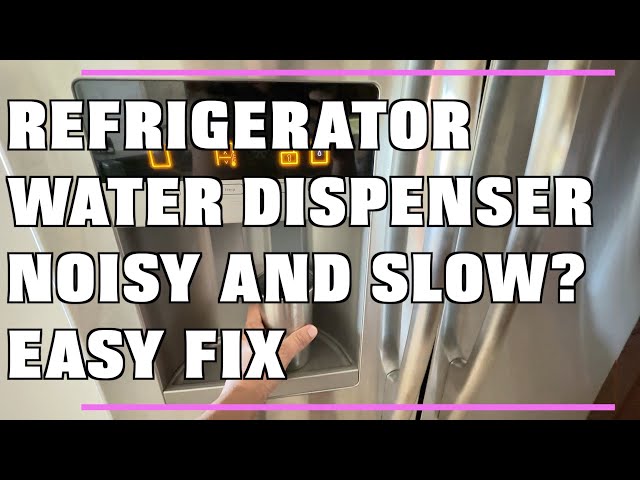
Is your refrigerator making strange noises when you try to get a glass of water? This annoying problem is more common than you think! Unusual sounds, like gurgling, buzzing, or even loud humming, can indicate a few different issues within your fridge’s water dispensing system. While it might seem alarming, often the problem is something you can fix yourself. Ignoring these noises can lead to more significant problems, like water leaks or a complete failure of the dispenser. Let’s get to the bottom of it and quiet down that noisy fridge!. Explore more in our Refrigerator Problems 2 collection.
💡 Technical Key Takeaways:
- Core Focus: Diagnostic schematic and terminal connection layout for Fridge Makes Noise When Dispensing Water.
- Target Scope: Field technicians, automotive DIYers, and residential/commercial electricians.
- Safety Rule: Always disconnect the primary power source/battery terminal and verify zero voltage with a multimeter before touching wires.
Common Causes of Fridge Makes Noise When Dispensing Water
Here are some of the most frequent culprits behind a noisy water dispenser:
- Air in the Water Line: Air trapped inside the water lines can create gurgling or sputtering sounds as it’s forced out.
- Clogged Water Filter: A dirty or clogged water filter restricts water flow, causing the pump to work harder and make noise.
- Low Water Pressure: Insufficient water pressure from your home’s supply can strain the fridge’s components.
- Faulty Water Inlet Valve: The valve that controls water flow into the fridge can become noisy as it ages or malfunctions.
- Frozen Water Line: If the water line freezes, the dispenser might make a buzzing or humming sound as the pump struggles.
- Loose Water Line Connections: Vibrations can loosen water line connections, leading to hissing or rattling noises.
- Sediment Buildup: Over time, sediment can accumulate in the water lines, obstructing flow and causing noise.
- Failing Water Pump: While less common, the water pump itself can fail, producing a loud humming or grinding noise.
Symptoms Checklist
Check these indicators to help pinpoint the problem:
- The noise only occurs when dispensing water.
- The water flow is weak or sputtering.
- The noise is a gurgling, humming, buzzing, or rattling sound.
- The water filter is old or hasn’t been changed recently.
- Ice production is also affected.
- There are visible leaks around the water filter or dispenser.
How to Fix Fridge Makes Noise When Dispensing Water Step-by-Step Guide
- Unplug the Refrigerator: This is essential for your safety. Always disconnect power before working on appliances.
- Locate the Water Filter: Refer to your fridge’s manual to find the water filter. It’s typically located inside the fridge compartment, in the base grille, or at the back of the unit.
- Replace the Water Filter: Even if the filter doesn’t look dirty, try replacing it with a new one. This is often the easiest and most effective solution.
- Check the Water Supply Line: Make sure the water supply line is not kinked or bent, as this can restrict water flow.
- Locate the Water Shut-Off Valve: This valve controls the water supply to your fridge. It’s usually located behind the fridge or under the sink.
- Check Water Pressure: Turn on the water shut-off valve fully. Ensure you have adequate water pressure at the valve by testing with a cup.
- Inspect the Water Line Connections: Check all the connections to the fridge for leaks or looseness. Tighten any loose connections with a wrench, but be careful not to overtighten.
- Defrost Frozen Water Lines: If you suspect a frozen water line, unplug the fridge and allow it to thaw for several hours. You can also use a hairdryer on a low setting to gently warm the lines (avoid overheating).
- Flush the Water Line: After thawing, flush the water line by dispensing several gallons of water to clear any remaining ice or debris.
- Clean the Water Dispenser Nozzle: Sometimes, mineral buildup can clog the dispenser nozzle. Clean it with a small brush or a pin.
- Listen for the Noise Again: Plug the refrigerator back in and listen to it after waiting 30 minutes. Attempt dispensing water and see if the noise is gone.
- Check the Water Inlet Valve: The inlet valve is at the back of the fridge, where the water line connects. Listen for a clicking sound when the dispenser is activated. If you hear nothing, it might be faulty (later replacement if needed).
Fix the Issue Without Buying Parts
Before spending money, try these free methods:
- Reset Your Fridge: Unplug the fridge for 5-10 minutes, then plug it back in. This can sometimes reset the system and clear minor issues.
- Thoroughly Clean the Dispenser Area: Wipe down the dispenser area to remove any spills or debris that might be causing vibrations.
- Inspect for Loose Items: Check for anything near the fridge that might be vibrating against it, creating noise.
- Regular Filter Changes: Adhere to the manufacturer’s recommended water filter replacement schedule to prevent clogs.
When Replacement Might Be Necessary
If the noise persists after trying the above steps, you might need to replace a part. Common culprits include:. For more related activities, check out our Freezer Blowing Cold Air But Not Freezing.
- Water Inlet Valve: A faulty valve can cause humming or buzzing. Replacement cost: $30 – $75 USD.
- Water Pump: If the pump is failing, it will likely make a loud grinding or humming noise. Replacement cost: $50 – $150 USD.
Safety Warning
- Always unplug the refrigerator before performing any repairs.
- Be careful when handling water lines to avoid leaks.
- Avoid getting water on electrical components.
- If you are uncomfortable performing any of these steps, consult a qualified appliance repair technician.
Tools You May Need
- New water filter
- Wrench
- Screwdriver
- Small brush or pin (for cleaning nozzle)
- Towel or sponge (to clean up spills)
- Hairdryer (for thawing frozen lines – use with caution)
FAQ
Here are some frequently asked questions:
- Q: Why is my fridge making a gurgling noise when I dispense water? A: This is usually caused by air trapped in the water lines. Replacing the water filter and flushing the lines can often resolve this.
- Q: How often should I replace my fridge’s water filter? A: Most manufacturers recommend replacing the filter every 6 months, or as indicated by the filter replacement indicator light.
- Q: What if the water pressure to my fridge is low? A: Check your home’s water pressure. You may need to contact a plumber to address low water pressure issues.
- Q: Can a frozen water line damage my fridge? A: Yes, a frozen water line can cause damage to the water lines and the dispenser system. Thaw it as soon as possible.
Conclusion
Don’t let that noisy fridge drive you crazy! By following these simple troubleshooting steps, you can often fix the problem yourself and save money on repair bills. Remember to prioritize safety and take your time. If you’ve tried everything and the noise persists, it might be time to call a qualified appliance repair technician. Good luck!. Discover more free resources across our collection library.
Youtube Video:
Quick Wiring Specifications & Terminal Guide
| Component / Circuit | Standard Wire Gauge | Recommended Protection |
|---|---|---|
| Control & Trigger Signals | 18 – 20 AWG | 5A – 7.5A Inline Fuse |
| Standard Auxiliary Load | 14 – 16 AWG | 15A – 20A Circuit Breaker |
| Main Power Feed / Supply | 10 – 12 AWG | 30A – 40A Heavy-Duty Relay |
