
Introduction
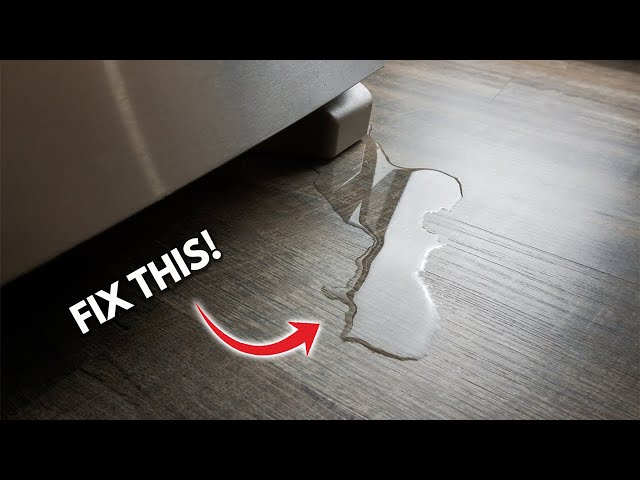
Discovering a puddle of water beneath your freezer is never a welcome sight. This issue, where your freezer keeps leaking water, can lead to water damage to your floors and potential mold growth. It often happens when the freezer isn’t defrosting properly, the drain is clogged, or the door seal isn’t tight. Addressing this problem promptly is essential to prevent further damage and keep your food properly frozen. Explore more in our Refrigerator Problems 2 collection.
💡 Technical Key Takeaways:
- Core Focus: Diagnostic schematic and terminal connection layout for Freezer Keeps Leaking Water.
- Target Scope: Field technicians, automotive DIYers, and residential/commercial electricians.
- Safety Rule: Always disconnect the primary power source/battery terminal and verify zero voltage with a multimeter before touching wires.
Common Causes of Freezer Leaks
Here are some common reasons why your freezer might be leaking water:
- Clogged Defrost Drain: This is the most frequent culprit. Ice melts during the defrost cycle and is supposed to drain away. When the drain is blocked, water overflows.
- Icemaker Issues: If you have an icemaker, a faulty water inlet valve or a cracked water line can cause leaks.
- Door Seal Problems: A damaged or dirty door seal lets warm air in, causing excessive condensation and eventually water leakage.
- Overfilled Freezer: Overpacking the freezer can block the vents that allow proper airflow and temperature regulation, leading to ice buildup and melting.
- Incorrect Temperature Setting: Setting the freezer too cold can cause excessive ice formation that melts when the compressor isn’t running.
- Power Outages: Extended power outages can cause ice to melt rapidly and overwhelm the defrost drain system.
- Freezer Not Level: If the freezer isn’t level, the water from the defrost cycle may not drain properly.
- Defrost Timer Malfunction: A faulty defrost timer may not initiate the defrost cycle, leading to ice buildup.
- Faulty Defrost Heater: If the defrost heater isn’t working, it won’t melt the ice, causing it to build up and eventually melt excessively, leading to water leakage.
Symptoms Checklist
Here are some things to look for that can help pinpoint the cause of the leak:
- Puddle of water under or in front of the freezer.
- Ice buildup inside the freezer, especially on the back wall.
- Visible blockage in the freezer drain.
- Difficulty closing the freezer door tightly.
- Unusual noises from the freezer (e.g., constant running or clicking).
- Water dripping from the icemaker area.
How to Fix freezer keeps leaking water Step-by-Step Guide
Follow these steps to troubleshoot and fix the leak:
- Unplug the Freezer: For safety, always unplug the freezer before you start any troubleshooting.
- Locate the Defrost Drain: It’s usually on the back wall inside the freezer, often behind a panel. Consult your freezer’s manual if you can’t find it.
- Melt Existing Ice: If there is a significant amount of ice, use a hairdryer (on a low setting) to gently melt it. Be careful not to melt any plastic parts.
- Clear the Drain: Use a long, flexible object like a turkey baster, a pipe cleaner, or a coat hanger to gently push through the drain and dislodge any blockage. A blast of warm water from a turkey baster can also help.
- Flush the Drain: Pour a cup of warm water down the drain to ensure it’s clear. You might need to repeat this several times.
- Check the Door Seal: Inspect the door seal (gasket) for damage, tears, or debris. Clean the seal with a damp cloth and mild detergent.
- Level the Freezer: Use a level to check if the freezer is sitting level. Adjust the feet at the bottom of the freezer until it is level.
- Inspect the Icemaker (If Applicable): Look for any visible cracks or leaks in the water lines connected to the icemaker.
- Check the Temperature Setting: Make sure the freezer temperature is set correctly (usually around 0F or -18C).
- Rearrange Freezer Contents: Ensure items inside aren’t blocking vents or airflow.
- Check the drain pan: The drain pan is usually located at the bottom of the freezer, behind the kick plate. Check if it is cracked or overflowing.
- Plug in the Freezer: Once you’ve completed these steps, plug the freezer back in.
- Monitor for Leaks: Keep an eye on the area under the freezer for the next few days to see if the leak returns.
Fix the Issue Without Buying Parts
Often, you can resolve a freezer leak without replacing any parts:
- Regular Cleaning: Clean the freezer and door seal regularly to prevent buildup of debris and ice.
- Manual Defrost: If your freezer isn’t frost-free, manually defrost it periodically to prevent excessive ice buildup.
- Reset the Freezer: Try unplugging the freezer for 30 minutes to reset it, which can sometimes resolve minor issues.
- Inspect hoses and connectors: Check for loose connections or kinks in the hoses.
When Replacement Might Be Necessary
In some cases, a replacement part might be needed. Here are a few scenarios:
- Damaged Door Seal: If the door seal is torn or severely damaged, it may need to be replaced (cost: $30-$100).
- Faulty Water Inlet Valve: If the icemaker’s water inlet valve is leaking, it will need to be replaced (cost: $50-$150).
- Cracked Drain Pan: If the drain pan is cracked, it will need to be replaced (cost: $20-$50).
Safety Warning
Keep these safety tips in mind:
- Always unplug the freezer before performing any maintenance or repairs.
- Be careful when using a hairdryer to melt ice, as water and electricity can be dangerous.
- Clean up any water spills immediately to prevent slips and falls.
Tools You May Need
Here are some helpful tools for this troubleshooting guide:
- Screwdriver (Phillips and flathead)
- Turkey baster or pipe cleaner
- Warm water
- Hairdryer (optional)
- Level
- Towels
FAQ
Here are some frequently asked questions about freezer leaks:
- Why is my freezer leaking even after I defrosted it? The defrost drain is likely still clogged. Make sure to flush it thoroughly.
- How often should I defrost my freezer? If it’s not a frost-free model, defrost it when ice buildup is more than inch thick.
- Can a full freezer cause leaks? Yes, overpacking can block vents and lead to ice buildup.
- Is it safe to use a knife to remove ice from the freezer? No, using sharp objects can damage the freezer’s walls. Use a plastic scraper or let the ice melt naturally.
Conclusion
A leaking freezer can be a nuisance, but by following these steps, you can often identify and resolve the issue yourself. Start with the simple fixes, like clearing the drain and cleaning the door seal. If the problem persists, you might need to consider replacing a part. However, with a bit of patience and these troubleshooting tips, you can hopefully avoid calling a technician and get your freezer working correctly again!
Youtube Video:
Quick Wiring Specifications & Terminal Guide
| Component / Circuit | Standard Wire Gauge | Recommended Protection |
|---|---|---|
| Control & Trigger Signals | 18 – 20 AWG | 5A – 7.5A Inline Fuse |
| Standard Auxiliary Load | 14 – 16 AWG | 15A – 20A Circuit Breaker |
| Main Power Feed / Supply | 10 – 12 AWG | 30A – 40A Heavy-Duty Relay |
