
Introduction
A noisy AC window unit can be incredibly frustrating, especially during hot summer months. These unwanted sounds often signal underlying problems that, if ignored, could lead to decreased cooling efficiency, increased energy bills, or even complete unit failure. Addressing the noise promptly is important for your comfort and the longevity of your appliance. Loud noises can range from rattling and buzzing to grinding and hissing, and each sound suggests a different potential cause. Don’t ignore the noise; it’s usually a sign that something needs attention. Explore more in our Air Conditioner Troubleshooting 3 collection.
💡 Technical Key Takeaways:
- Core Focus: Diagnostic schematic and terminal connection layout for Ac Window Unit Making Loud Noise.
- Target Scope: Field technicians, automotive DIYers, and residential/commercial electricians.
- Safety Rule: Always disconnect the primary power source/battery terminal and verify zero voltage with a multimeter before touching wires.
Common Causes of AC Window Unit Making Loud Noise
Here are some common reasons why your AC unit might be making a racket:
- Loose Components: Screws and panels can loosen over time due to vibrations, causing rattling.
- Debris Obstruction: Leaves, twigs, and other debris can get sucked into the unit, hitting the fan blades.
- Dirty Fan Blades: Accumulated dust and dirt on the fan blades can throw the unit off balance.
- Bent or Damaged Fan Blades: A physical impact can bend the blades, causing them to hit the housing.
- Worn-Out Motor: The motor that drives the fan might be wearing out, leading to grinding or squealing noises.
- Loose Mounting: If the unit isn’t securely mounted in the window, it can vibrate and create noise.
- Refrigerant Leaks: A hissing sound could indicate a refrigerant leak, requiring professional attention.
- Compressor Issues: The compressor, the heart of the AC, can make loud buzzing or humming noises if it’s failing.
- Ice Buildup: Excessive ice formation on the coils can cause scraping sounds and reduce cooling efficiency.
Symptoms Checklist
Use this checklist to help identify the source of the noise:
- Rattling Noise: Check for loose screws and panels.
- Buzzing Noise: Could be a loose component, electrical issue, or compressor problem.
- Grinding Noise: Likely indicates a problem with the motor or fan blades.
- Hissing Noise: Possibly a refrigerant leak.
- Clicking Noise: May be the thermostat or a relay switch.
- Whining Noise: Could signal motor issues or the unit working too hard.
- Louder Noise on Startup: Might be a compressor issue.
- Noise Increases with Fan Speed: Points towards fan-related problems.
How to Fix AC Window Unit Making Loud Noise Step-by-Step Guide
Follow these steps to troubleshoot your noisy AC unit:
- Unplug the Unit: Always disconnect the AC unit from the power outlet before starting any inspection or repair to avoid electrical shock.
- Inspect the Housing: Check for loose screws or panels. Tighten any that are loose.
- Clean the Exterior: Remove any visible debris (leaves, twigs) from the outside of the unit.
- Remove the Front Panel: Carefully remove the front panel to access the internal components. Refer to your user manual for specific instructions.
- Clean the Fan Blades: Use a soft brush or vacuum cleaner to remove dust and dirt from the fan blades.
- Inspect the Fan Blades: Look for any bent or damaged blades. If bent, carefully try to straighten them.
- Check the Mounting: Ensure the AC unit is securely mounted in the window frame. Use shims if necessary to stabilize it.
- Lubricate the Motor (If Accessible): Some motors have oil ports. Apply a few drops of electric motor oil if applicable (check your manual).
- Inspect the Coils: Look for ice buildup on the cooling coils. If you see ice, turn off the unit and let it thaw completely before restarting.
- Check the Air Filter: A dirty air filter can restrict airflow and cause the unit to work harder, leading to noise. Clean or replace the filter.
- Listen Carefully: With the front panel removed (and the unit unplugged!), manually spin the fan blade. Listen for any grinding or scraping sounds that might indicate a motor issue.
- Reassemble the Unit: Once youve completed the inspection and cleaning, reassemble the AC unit.
- Plug in and Test: Plug the unit back in and turn it on. Observe if the noise is still present.
- Check Drain Hole: Make sure the drain hole at the bottom of the unit is clear of any obstructions to prevent water buildup and noise.
Fix the Issue Without Buying Parts
Many noise problems can be resolved without spending any money:
- Reset the Unit: Unplug the unit for 15 minutes, then plug it back in. This can sometimes reset the internal components.
- Thorough Cleaning: Regular cleaning can prevent dust and debris buildup, which is a common cause of noise.
- Tighten Screws: Ensuring all screws and panels are secure can eliminate rattling sounds.
- Proper Mounting: Making sure the unit is securely installed in the window can reduce vibrations.
- Inspect for Obstructions: Regularly check and remove any objects blocking airflow around the unit.
When Replacement Might Be Necessary
If you’ve tried all the troubleshooting steps and the noise persists, or if you suspect a refrigerant leak or major compressor failure, replacement might be the best option. Compressors typically last 5-10 years. A new window AC unit can range from $150 to $500 USD, depending on the size and features. Common parts that might fail and necessitate replacement include the motor, compressor, and fan assembly.
Safety Warning
- Always unplug the AC unit before performing any maintenance or repairs.
- Never work on electrical components with wet hands or on a wet floor.
- If you suspect a refrigerant leak, do not attempt to repair it yourself. Contact a qualified HVAC technician.
- Be careful when handling sharp edges of the metal housing.
Tools You May Need
- Screwdriver (Phillips and flathead)
- Soft brush or vacuum cleaner with a brush attachment
- Electric motor oil (if applicable)
- Clean rags
- Gloves
- Safety glasses
- Shims (for leveling and securing the unit)
FAQ
Here are some frequently asked questions about noisy AC units:
- Q: Why is my AC unit making a loud buzzing noise? A: This could be due to loose components, electrical issues, or a problem with the compressor. Check the screws and panels first.
- Q: What does a hissing sound mean? A: A hissing sound usually indicates a refrigerant leak, which requires professional attention.
- Q: How often should I clean my AC unit? A: You should clean the air filter at least once a month and perform a more thorough cleaning of the internal components twice a year.
- Q: Can I fix a refrigerant leak myself? A: No, refrigerant leaks should only be handled by qualified HVAC technicians.
- Q: Why does my AC unit make a loud noise when I turn it on? A: This could be due to the compressor starting up or a problem with the motor. If the noise is excessive and persistent, it could indicate a more serious issue.
Conclusion
Troubleshooting a noisy AC window unit can seem daunting, but by following these steps, you can often identify and resolve the problem yourself. Regular cleaning and maintenance can also help prevent future issues. If you’ve exhausted all the DIY solutions and the noise persists, don’t hesitate to call a qualified technician. Starting with these simple checks can save you time and money before calling in professional help!. Discover more free resources across our collection library.
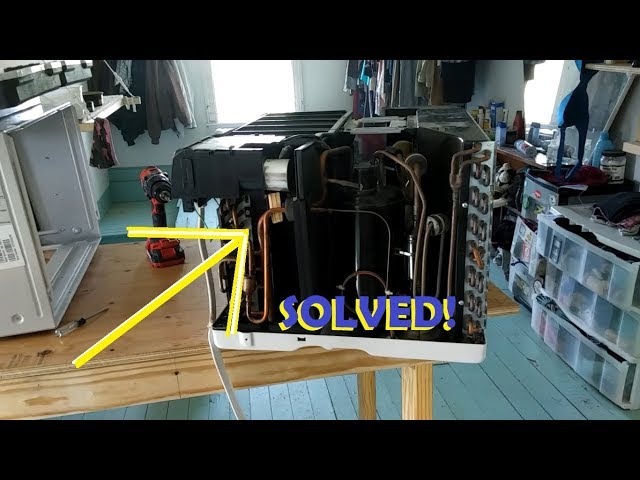
Youtube Video:
Quick Wiring Specifications & Terminal Guide
| Component / Circuit | Standard Wire Gauge | Recommended Protection |
|---|---|---|
| Control & Trigger Signals | 18 – 20 AWG | 5A – 7.5A Inline Fuse |
| Standard Auxiliary Load | 14 – 16 AWG | 15A – 20A Circuit Breaker |
| Main Power Feed / Supply | 10 – 12 AWG | 30A – 40A Heavy-Duty Relay |
