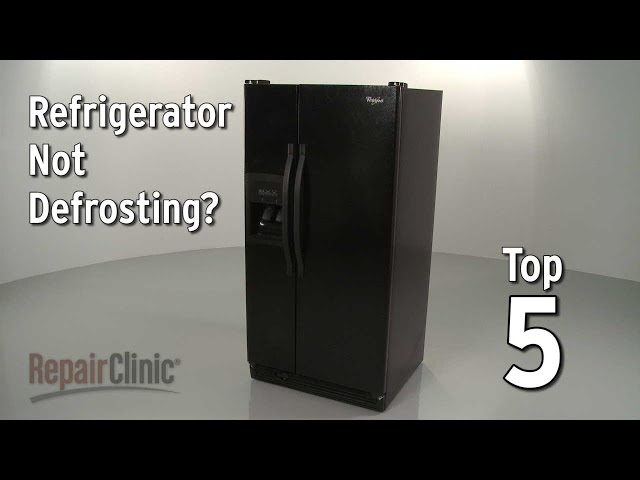
Introduction
Is your freezer developing a thick layer of ice, making it difficult to store food and potentially affecting its efficiency? When a freezer stops defrosting automatically, it’s a sign that something isn’t working correctly within the defrost system. This issue not only reduces storage space but also forces your freezer to work harder, increasing energy consumption and potentially leading to premature failure. Addressing this problem promptly can save you money and prevent costly repairs or even the need to replace your freezer altogether.
Common Causes of Freezer Doesn’t Defrost
Here are some common reasons why your freezer might not be defrosting:
- Defrost Timer Malfunction: The timer controls when the defrost cycle starts. If it’s broken, it might not initiate the defrost at all.
- Defrost Heater Failure: The heater melts the frost buildup. If it’s burned out, it won’t be able to do its job.
- Defrost Thermostat Issues: This thermostat monitors the freezer’s temperature and tells the heater when to turn on and off. A faulty thermostat can prevent the heater from activating.
- Faulty Temperature Sensor: Freezers use sensors to regulate temperature and trigger defrost cycles. If the sensor is providing incorrect readings, the defrost cycle might not engage.
- Blocked Drain Tube: Melted frost needs to drain out of the freezer. If the drain tube is clogged with ice or debris, water will back up and refreeze, exacerbating the problem.
- Defective Control Board: In newer freezers, the control board manages all functions, including defrosting. A faulty board can disrupt the entire defrost process.
- Door Seal Problems: A worn or damaged door seal allows warm, moist air to enter the freezer, leading to excessive frost buildup and overwhelming the defrost system.
- Overpacked Freezer: Restricting airflow within the freezer can create cold spots and uneven temperatures, potentially interfering with the defrost cycle.
Symptoms Checklist
Look for these signs to confirm your freezer isn’t defrosting correctly:
- Excessive ice buildup on the back wall or in the freezer compartment.
- Food containers are covered in frost.
- The freezer is running constantly and doesn’t seem to cycle off.
- Water pooling at the bottom of the freezer.
- Higher than normal energy bills.
How to Fix Freezer Doesn’t Defrost Step-by-Step Guide
Here’s how to troubleshoot your freezer:
- Unplug the Freezer: Always disconnect the power before attempting any repairs. This is crucial for your safety.
- Empty the Freezer: Remove all food items and store them in a cooler or another refrigerator to prevent spoilage.
- Locate the Defrost Components: Refer to your freezer’s manual to find the defrost timer, heater, and thermostat. These are usually located behind the back panel inside the freezer.
- Inspect the Defrost Heater: After carefully removing the back panel, visually check the defrost heater for any signs of damage, such as breaks or burns.
- Check the Defrost Thermostat: The defrost thermostat is usually clipped to the evaporator coils. Ensure it’s securely attached and shows no signs of corrosion.
- Manually Activate Defrost (If Applicable): Some freezers have a manual defrost button or dial. Try activating it to see if the heater turns on. Listen for a slight humming sound.
- Check the Drain Tube: Locate the drain tube at the bottom of the freezer. Use a turkey baster or warm water to flush out any ice or debris that might be clogging it.
- Inspect the Door Seal: Examine the door seal for cracks, tears, or gaps. A damaged seal allows warm air in, causing excessive frost.
- Clean the Condenser Coils: Located at the back or bottom of the freezer, these coils dissipate heat. Dust buildup can reduce efficiency and affect defrosting. Use a vacuum cleaner with a brush attachment to clean them.
- Check the Temperature Setting: Make sure the freezer is set to the correct temperature (typically around 0F or -18C). An incorrect setting can affect the defrost cycle.
- Allow Freezer to Defrost Manually: If you can’t find any obvious problems, leave the freezer unplugged with the door open for 24-48 hours to allow all the ice to melt completely. Place towels underneath to catch any water.
- Plug the Freezer Back In: After defrosting, plug the freezer back in and monitor its performance for the next 24 hours.
- Ensure Proper Airflow: Once the freezer is running again, avoid overpacking it. Proper airflow is essential for efficient cooling and defrosting.
Fix the Issue Without Buying Parts
Here are some free methods to try:
- Reset the Freezer: Unplug the freezer for 5 minutes and plug it back in. This can sometimes reset the control board and resolve minor issues.
- Deep Cleaning: Thoroughly clean the interior of the freezer, paying special attention to the drain tube and door seal.
- Recalibrate Temperature: Check the temperature with a thermometer and adjust the settings if necessary.
- Inspection Tips: Carefully examine all visible components for signs of damage or wear.
- Maintenance Basics: Regularly clean the condenser coils and ensure the door seal is in good condition.
When Replacement Might Be Necessary
If you’ve tried all the troubleshooting steps and the freezer still isn’t defrosting, one or more of the components may need to be replaced. Here are some common parts that fail:
- Defrost Timer: $20 – $50
- Defrost Heater: $30 – $70
- Defrost Thermostat: $15 – $40
- Control Board: $50 – $150
Before replacing any parts, consider the age and overall condition of the freezer. If it’s old or showing other signs of wear, it might be more cost-effective to replace the entire unit.
Safety Warning
- Always unplug the freezer before attempting any repairs.
- Avoid touching electrical components with wet hands.
- Be careful when handling sharp tools.
- Ensure the floor is dry to prevent electric shock.
Tools You May Need
- Screwdrivers (Phillips and flathead)
- Pliers
- Vacuum cleaner with brush attachment
- Turkey baster
- Warm water
- Multimeter (optional, for testing electrical components)
FAQ
Here are some frequently asked questions:
-
Q: How often should my freezer defrost?
A: Most freezers defrost automatically every 6 to 12 hours. -
Q: Why is there still ice buildup after defrosting?
A: This could be due to a faulty door seal, clogged drain tube, or a malfunctioning defrost component. -
Q: How can I prevent ice buildup in the future?
A: Make sure the door seal is intact, avoid overpacking the freezer, and clean the condenser coils regularly. -
Q: Is it safe to use a hairdryer to melt ice in the freezer?
A: While it seems like a quick fix, using a hairdryer can be dangerous due to the risk of electric shock. It’s better to defrost the freezer manually.
Conclusion
Troubleshooting a freezer that isn’t defrosting can seem daunting, but by following these steps, you can often identify and fix the problem yourself. Remember to prioritize safety and take your time. If you’ve exhausted all the troubleshooting options and the issue persists, it might be time to consult with a qualified appliance repair technician. However, with a little effort, you can often restore your freezer to proper working order and avoid the cost of a replacement.
Youtube Video:
Looking for more useful options?
Check out recommended resources that others find helpful.