Introduction
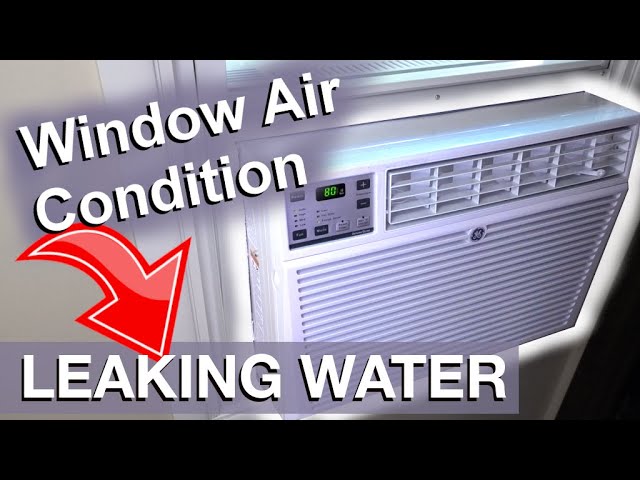
A leaking air conditioner is a common problem for homeowners, and it’s one that should be addressed quickly. Not only can the dripping water damage your floors, walls, or furniture, but it can also indicate a more serious issue with your AC unit. Leaks often occur during periods of heavy use, like hot summer months, or after a period of inactivity. Addressing a leak promptly can prevent further damage and potentially save you from costly repairs down the road. More importantly, water near electrical appliances can be dangerous. Let’s get this fixed!
Common Causes of fix leaking air conditioner
Several factors can cause an air conditioner to leak water. Here are some of the most common:
- Clogged Drain Line: This is the most frequent culprit. Condensation drains through this line, and if it’s blocked, water will back up and leak.
- Dirty Air Filter: A dirty filter restricts airflow, causing the evaporator coil to freeze. When the ice melts, it can overwhelm the drain pan.
- Low Refrigerant: Low refrigerant levels can also cause the evaporator coil to freeze, leading to the same issue as a dirty filter.
- Cracked or Rusted Drain Pan: Over time, the drain pan that collects condensation can crack or rust, causing leaks.
- Improper Installation: If your AC unit wasn’t installed correctly, it may not be properly sloped for drainage.
- Broken Condensate Pump (for units with a pump): Some AC units use a condensate pump to remove water. If the pump fails, water will accumulate and leak.
- Damaged Insulation: Damaged insulation around refrigerant lines can cause condensation and dripping.
- Kinked Drain Line: A kink in the drain line can obstruct the flow of water, leading to a backup.
Symptoms Checklist
Here’s a checklist to help you determine if your AC unit is leaking:
- Water pooling around the indoor unit.
- Water stains on the ceiling or walls near the AC unit.
- A musty odor in the room.
- Dripping sounds coming from the AC unit.
- Ice forming on the refrigerant lines or evaporator coil.
- Higher than usual humidity in the room.
How to Fix fix leaking air conditioner Step-by-Step Guide
Follow these steps to troubleshoot and potentially fix your leaking air conditioner:
- Turn Off the AC: Before you start any work, turn off the AC unit at the thermostat and the circuit breaker to ensure your safety.
- Inspect the Air Filter: Remove the air filter and check if it’s dirty. If so, clean or replace it. A clogged filter is a common cause of leaks.
- Locate the Drain Line: Find the drain line, which is usually a PVC pipe that exits the indoor unit. It might be located inside or outside of your home.
- Check for Clogs: Look for any visible obstructions in the drain line.
- Flush the Drain Line: Use a wet/dry vacuum to suck out any clogs. Place the vacuum hose over the drain line opening and create a tight seal. Run the vacuum for a few minutes to remove debris. You can also use a mixture of warm water and vinegar (1:1 ratio) to flush the line. Pour the mixture slowly into the drain line opening.
- Inspect the Drain Pan: Carefully inspect the drain pan for cracks or rust. If you find any damage, you may need to replace the pan (see “When Replacement Might Be Necessary”).
- Check the Condensate Pump (if applicable): If your AC unit has a condensate pump, check if it’s working properly. Listen for the pump running when the AC is on. If it’s not running, it might be faulty and need replacement.
- Check for Ice Buildup: If you see ice forming on the evaporator coil, turn off the AC and allow the ice to melt completely. Once the ice is gone, clean or replace the air filter and monitor the unit for further icing.
- Check Refrigerant Lines: Inspect the refrigerant lines for any signs of damage or leaks. Look for oily residue or frost on the lines. Note: Refrigerant repairs require specialized equipment and knowledge. If you suspect a refrigerant leak, it’s best to call a professional.
- Ensure Proper Slope: If possible, check if the AC unit is properly sloped for drainage. It should be slightly tilted towards the drain line.
- Reassemble and Test: Once you’ve completed these steps, reassemble the AC unit and turn it back on. Monitor for any leaks.
- Run the AC: Let the air conditioner run for a period of time to see if the leak has stopped.
- Monitor Continue to monitor the area for any new leaks.
Fix the Issue Without Buying Parts
Many times, you can fix a leaking air conditioner without needing to buy any replacement parts. Here are some things to try:
- Reset the AC: Sometimes, simply turning off the AC at the breaker for a few minutes and then turning it back on can resolve minor issues.
- Deep Cleaning: Thoroughly clean the area around the AC unit, removing any dust, debris, or mold that may be contributing to the problem.
- Regular Filter Maintenance: Change your air filter regularly (every 1-3 months) to prevent clogs and airflow restrictions.
- Visual Inspection: Regularly inspect the drain line and drain pan for any signs of damage or blockages.
- Annual Maintenance: Schedule an annual maintenance checkup with a qualified HVAC technician.
When Replacement Might Be Necessary
While many leaks can be fixed, some situations may require replacement. If the drain pan is severely cracked or rusted, or if the condensate pump is faulty and cannot be repaired, replacement is often the best option. The cost of replacing a drain pan typically ranges from $50 to $200, while a condensate pump can cost between $100 and $300, plus labor costs. Continuously low refrigerant, despite repairs, might indicate a serious leak within the sealed system, which could make replacing the entire unit more cost-effective in the long run. Common parts that fail and contribute to leaks include the drain pan, condensate pump, and evaporator coil.
Safety Warning
- Always turn off the AC unit at the breaker before performing any maintenance or repairs.
- Avoid contact with electrical components while the AC is plugged in.
- Be careful when working with water near electrical outlets.
- If you’re uncomfortable working with electricity or refrigerant, call a qualified HVAC technician.
- Wear gloves to protect your hands from dirt and grime.
Tools You May Need
Here are some tools you may find helpful for troubleshooting a leaking air conditioner:
- Wet/Dry Vacuum
- Screwdrivers (Phillips and flathead)
- Adjustable Wrench
- Gloves
- Flashlight
- Bucket or Container
- Vinegar
FAQ
Here are some frequently asked questions about leaking air conditioners:
- Q: Why is my AC leaking even after I cleaned the drain line? A: There may be a hidden clog, a crack in the drain pan, or low refrigerant.
- Q: How often should I change my air filter? A: Generally, every 1-3 months, depending on usage and air quality.
- Q: Can a leaking AC damage my home? A: Yes, it can cause water damage, mold growth, and structural problems.
- Q: Is it safe to run my AC if it’s leaking? A: No, it’s best to turn it off and address the issue to prevent further damage and potential safety hazards.
- Q: How do I know if my AC needs refrigerant? A: Signs of low refrigerant include weak airflow, icing on the coils, and the AC running constantly.
- Q: What is the ideal temperature setting for my thermostat to maximize efficiency and minimize condensation issues? A: The ideal setting is usually around 75-78 degrees Fahrenheit.
Conclusion
Fixing a leaking air conditioner might seem daunting, but by following these steps, you can often identify and resolve the issue yourself. Remember to prioritize safety and take your time. If you’re not comfortable performing these tasks or if the problem persists, don’t hesitate to call a qualified HVAC technician. Taking the initiative to diagnose the issue yourself will help to prevent further damage. Start with these DIY tips before calling in the pros, and you’ll be back to cool comfort in no time!
Youtube Video:
Looking for more useful options?
Check out recommended resources that others find helpful.