Introduction
Discovering that your central AC is leaking water can be concerning, and it’s a problem you shouldn’t ignore. Water leaks can not only damage your home but also indicate underlying issues with your AC system that can lead to more significant problems down the road. This usually happens during periods of heavy use, especially in humid weather. Addressing the leak promptly is crucial to prevent mold growth, water damage to your walls and ceilings, and potential electrical hazards. Let’s troubleshoot this together!
Common Causes of Central AC is Leaking Water
Here are some of the most common reasons why your central AC might be leaking water:
- Clogged Condensate Drain Line: This is the most frequent cause. The drain line removes water from the AC, and if it’s blocked, water backs up and leaks.
- Dirty Air Filter: A dirty filter restricts airflow, causing the evaporator coil to freeze. When the ice melts, it overflows the drain pan.
- Low Refrigerant Levels: Insufficient refrigerant can also cause the evaporator coil to freeze, leading to the same melting and overflow issue as a dirty filter.
- Cracked or Damaged Drain Pan: The pan that collects the condensate can crack or rust, causing leaks.
- Improper Installation: If the AC unit wasn’t installed correctly, the drain line might not be properly sloped, preventing water from draining efficiently.
- High Humidity: Extremely humid conditions can overwhelm the condensate system, causing some overflow.
- Kinked or Disconnected Drain Line: The drain line could be kinked or disconnected, preventing proper drainage.
- Dirty Evaporator Coils: Similar to a dirty filter, dirty coils can cause ice buildup.
Symptoms Checklist
Here’s how to identify if your AC leak is a problem:
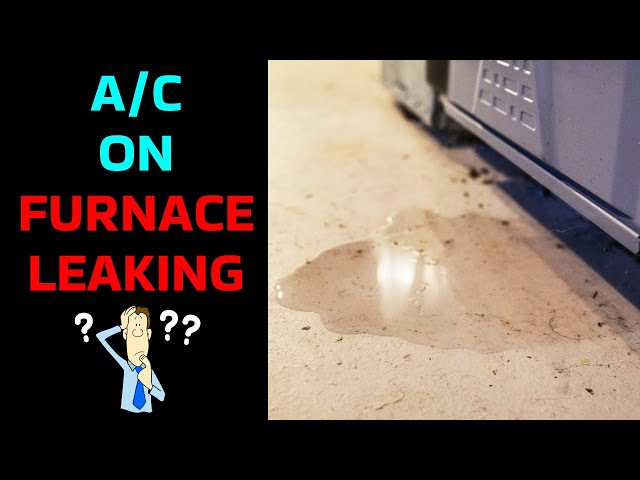
- Water pooling around the indoor AC unit or furnace.
- Water stains on your ceiling or walls near the AC unit.
- Musty odors coming from the AC unit or surrounding area.
- The AC unit is not cooling as effectively as it used to.
- Visible ice formation on the evaporator coils (inside the indoor unit).
How to Fix Central AC is Leaking Water Step-by-Step Guide
Follow these steps to troubleshoot and fix the water leak:
- Turn Off the AC: Before you begin, turn off the AC unit at the thermostat and the circuit breaker for safety.
- Locate the Indoor Unit: Find the indoor unit of your central AC system, usually in the attic, basement, or a closet.
- Find the Condensate Drain Line: This is a PVC pipe (usually inch) that exits the indoor unit. It usually leads to a floor drain, outside, or a utility sink.
- Check for Clogs in the Drain Line: Disconnect the drain line where it exits the unit (have a bucket ready to catch any water).
- Flush the Drain Line: Use a wet/dry vacuum to suck out any clogs. Seal the vacuum hose tightly to the drain line opening and vacuum for several minutes. Alternatively, pour a cup of distilled vinegar down the drain line to dissolve any algae or mold. Let it sit for 30 minutes, then flush with water.
- Check the Air Filter: Remove the air filter and inspect it. If it’s dirty, replace it with a new one. A clean air filter is essential for proper airflow.
- Inspect the Drain Pan: Look for cracks, rust, or debris in the drain pan beneath the indoor unit. If you find cracks, consider a temporary fix (see “When Replacement Might Be Necessary”).
- Check the Evaporator Coils: If you can access the evaporator coils (usually behind a panel), inspect them for ice buildup. If there’s ice, let it melt completely before proceeding.
- Ensure Proper Drainage Slope: Make sure the condensate drain line slopes downwards from the AC unit to the drain point. If it sags or slopes upwards, it won’t drain properly.
- Reconnect the Drain Line: Reconnect the drain line securely to the AC unit.
- Test the AC: Turn the AC back on at the circuit breaker and thermostat. Monitor the unit for any leaks.
- Run the AC for an Extended Period: Let the AC run for at least an hour to see if the leak returns.
- Check the Outdoor Unit: Although less likely to be the source of an indoor leak, ensure the outdoor unit is clear of debris that might indirectly impact system performance.
Fix the Issue Without Buying Parts
Here are some things you can try that don’t involve replacing anything:
- Reset the AC System: Turn off the AC at the thermostat and the circuit breaker for a few minutes, then turn it back on. This can sometimes resolve minor issues.
- Regular Cleaning: Clean the area around the indoor and outdoor units regularly to prevent debris from accumulating.
- Preventative Maintenance: Make sure to replace your air filter every 1-3 months.
- Inspect the Condensate Pump (if applicable): Some AC systems use a condensate pump to move water uphill. Make sure it’s working properly and the pump reservoir is clear.
When Replacement Might Be Necessary
If the drain pan is severely cracked or rusted, you might need to replace it. A new drain pan typically costs between $50 and $200, depending on the size and material. Replacement can be tricky and might require professional help. If the evaporator coils are severely corroded or leaking refrigerant, you might need to consider replacing the entire AC unit. This can cost anywhere from $3,000 to $7,000, depending on the size and efficiency of the unit. The condensate pump might also need replacement. ($50-$150)
Safety Warning
- Always turn off the power to the AC unit at the circuit breaker before performing any maintenance or repairs.
- Avoid working in wet areas to prevent electric shock.
- Be careful when handling cleaning solutions and follow the manufacturer’s instructions.
- If you’re uncomfortable performing any of these steps, contact a qualified HVAC technician.
Tools You May Need
- Wet/dry vacuum
- Screwdriver
- Bucket
- Distilled vinegar
- New air filter
- Flashlight
- Gloves
FAQ
Here are some common questions about AC leaks:
- Q: Why is my AC leaking even after I cleaned the drain line? A: There might be a crack in the drain pan, low refrigerant, or the drain line could be partially blocked further down the line.
- Q: Is it safe to use bleach to clean the drain line? A: While some people use a diluted bleach solution, distilled vinegar is a safer and more environmentally friendly option.
- Q: How often should I clean my AC’s drain line? A: It’s recommended to clean the drain line at least once a year, or more frequently if you notice signs of clogs.
- Q: Can a dirty air filter really cause a water leak? A: Yes, a dirty air filter restricts airflow, causing the evaporator coil to freeze, which leads to water overflow when it melts.
- Q: Should I call a professional if I can’t find the leak source? A: Absolutely. If you’ve tried these steps and the leak persists, it’s best to call a qualified HVAC technician.
Conclusion
A leaking central AC unit can be frustrating, but with these steps, you can often diagnose and fix the problem yourself. Remember to prioritize safety and don’t hesitate to call a professional if you’re uncomfortable with any of the troubleshooting steps. Regular maintenance, like cleaning the drain line and replacing the air filter, can help prevent future leaks and keep your AC running efficiently. Good luck!
Youtube Video:
Looking for more useful options?
Check out recommended resources that others find helpful.