Introduction
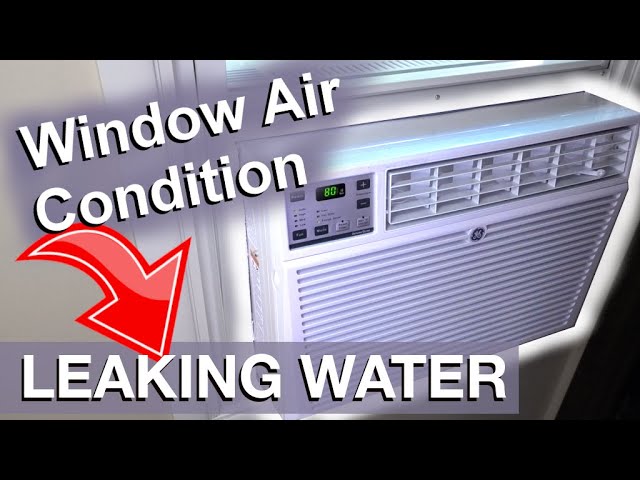
Discovering water dripping from the front of your air conditioner can be alarming and create a mess. This usually indicates a drainage problem within the unit, preventing water from properly flowing outside or into its designated drain pan. This issue often occurs during periods of high humidity when your AC is working overtime. Ignoring this can lead to water damage to your walls, floors, and even promote mold growth, so it’s crucial to address it quickly.
Common Causes of Air Conditioner Water Coming Out Front
Several issues can lead to water escaping from the front of your AC unit:
- Clogged Drain Line: The most frequent culprit. Dirt, dust, and algae can build up, blocking the drain line and causing water to back up.
- Dirty Air Filter: A clogged filter restricts airflow, causing the evaporator coil to freeze. When the ice melts, the excess water can overwhelm the drain system.
- Frozen Evaporator Coil: Similar to a dirty filter, low refrigerant levels or a malfunctioning fan can also cause the coil to freeze.
- Improper Installation Angle: If the AC isn’t tilted slightly towards the outside, water can pool inside and leak from the front.
- Damaged Drain Pan: Cracks or holes in the drain pan allow water to escape before it reaches the drain line.
- Broken Seal: The seal around the AC unit might be damaged, especially in window units, allowing condensation to escape.
- Kinked or Disconnected Drain Line: An external drain line can become kinked, blocking water flow, or completely disconnected.
- High Humidity: Extremely humid conditions can sometimes overwhelm the unit’s drainage capacity, leading to temporary leaks.
Symptoms Checklist
Use this checklist to confirm the issue and its severity:
- Water dripping consistently from the front of the AC unit.
- Water stains or dampness on the wall or floor beneath the AC.
- Ice formation on the AC unit’s coils (visible through the vents).
- A musty or moldy smell coming from the AC.
- Reduced cooling efficiency from the AC.
- Loud or unusual noises from the AC fan.
- Drainage water appears discolored or contains debris.
How to Fix Air Conditioner Water Coming Out Front Step-by-Step Guide
Follow these steps to troubleshoot and fix the problem:
- Turn Off the AC: Unplug the unit from the power outlet to ensure safety.
- Inspect the Air Filter: Remove the filter and check for dirt and debris. If it’s dirty, clean or replace it (washable or disposable).
- Check the Drain Line (if accessible): Locate the drain line (usually a small hose) on the back or bottom of the AC. Ensure it’s not kinked or blocked.
- Clear the Drain Line: Use a wet/dry vacuum to suck out any clogs in the drain line. Attach the vacuum hose to the drain outlet (usually outside) and let it run for a few minutes. You might also use a stiff wire (like a coat hanger) to gently dislodge any debris.
- Inspect the Drain Pan: If possible, carefully remove the AC’s outer casing (consult your owners manual for specifics) and inspect the drain pan for cracks or holes.
- Check the Installation Angle: Ensure the AC is tilted slightly downwards towards the outside to facilitate drainage. Use shims or leveling tools if needed.
- Thaw a Frozen Coil (if present): If you suspect a frozen coil (ice visible through the vents), turn off the AC and let the ice melt completely. This might take several hours. Increase air flow using a fan.
- Clean the Coils (if accessible): Once thawed, carefully clean the evaporator coils (if accessible) with a soft brush and coil cleaner (available at hardware stores). Follow the cleaner’s instructions carefully.
- Check the Seals: Examine the seals around the AC unit, especially if its a window unit. Replace any damaged or worn seals.
- Reassemble and Test: Carefully reassemble the AC unit and plug it back in. Turn it on and monitor for leaks.
- Run the AC for a While: Let the AC run for at least 30 minutes to see if the water leakage has stopped.
- Monitor for Recurrence: Keep an eye on the unit for the next few days to ensure the problem doesn’t return.
- Document your steps: Taking photos during disassembly can help with reassembly.
Fix the Issue Without Buying Parts
Many drainage issues can be resolved without purchasing new parts:
- Regular Cleaning: Clean your air filter every 1-3 months, depending on usage.
- Drain Line Maintenance: Periodically flush the drain line with vinegar or bleach solution to prevent algae and debris buildup.
- Proper Installation: Ensure the AC is installed at the correct angle.
- Coil Cleaning: Clean the coils annually to prevent freezing.
- Reset the AC: Turn the AC off, unplug it for 15 minutes, and then plug it back in to reset the system.
- Visual inspection: Regularly inspect the unit for visible signs of leaks or damage.
When Replacement Might Be Necessary
If the drain pan is severely damaged, or the evaporator coil is corroded despite cleaning, replacement might be necessary. A new drain pan usually costs between $20-$50, while a replacement evaporator coil can range from $100-$300 (plus labor if you hire a professional). If the unit is very old or has other significant issues (like a failing compressor), replacing the entire AC unit might be more cost-effective.
Safety Warning
- Always unplug the AC unit before performing any maintenance or repairs.
- Avoid working with electrical components if you’re not comfortable or qualified.
- Be careful when handling sharp objects or tools.
- Clean up any spilled water to prevent slips and falls.
- Avoid using excessive force when disassembling or reassembling the unit.
Tools You May Need
- Screwdrivers (Phillips and flathead)
- Wet/dry vacuum with hose attachments
- Soft brush
- Coil cleaner (optional)
- Stiff wire (coat hanger)
- Shims or leveling tools
- Gloves
FAQ
Here are some frequently asked questions:
- Why is my AC leaking even after I cleaned the filter? There might be a clog in the drain line or a frozen evaporator coil.
- How often should I clean my AC filter? At least every 1-3 months, depending on usage and air quality.
- Is it safe to use bleach to clean the drain line? Yes, but dilute the bleach with water (1 part bleach to 10 parts water) to avoid damaging the drain line.
- How do I know if the evaporator coil is frozen? You’ll see ice forming on the coils, and the AC might not be cooling effectively.
Conclusion
Dealing with water leaking from your AC can be frustrating, but with a little troubleshooting, you can often resolve the issue yourself. Remember to prioritize safety and follow the steps carefully. If you’ve tried these steps and the problem persists, it’s best to call a qualified HVAC technician for professional assistance. A well-maintained AC not only keeps you cool but also prevents costly repairs down the road.
Youtube Video:
Looking for more useful options?
Check out recommended resources that others find helpful.