Introduction
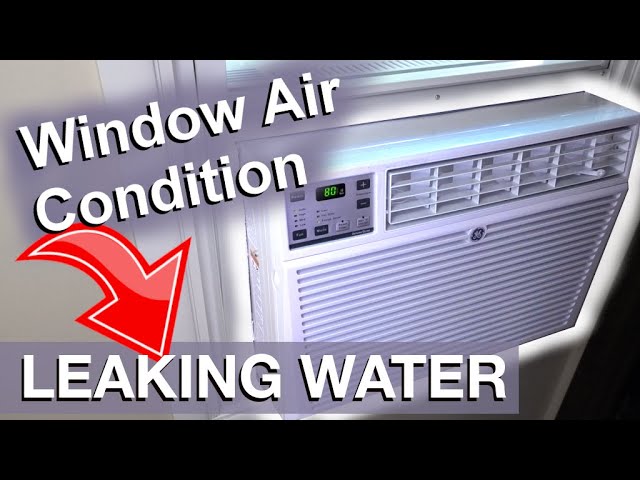
Discovering your air conditioner spitting water out the side can be concerning. This isn’t normal operation and indicates an issue that needs attention. Ignoring it can lead to water damage in your home, reduced cooling efficiency, and potential long-term damage to your AC unit. This problem commonly occurs during periods of high humidity or when the air conditioner is running frequently. Addressing it promptly can save you money and prevent costly repairs down the road.
Common Causes of Air Conditioner Spitting Water Out the Side
Several factors can contribute to your air conditioner leaking water:
- Clogged Drain Line: This is the most frequent culprit. Algae, mold, or debris can block the drain line, preventing water from escaping.
- Dirty Air Filter: A dirty filter restricts airflow, causing the evaporator coil to freeze. When it melts, the excess water can overwhelm the drain pan.
- Low Refrigerant: Low refrigerant can also cause the evaporator coil to freeze, resulting in similar water overflow issues.
- Damaged Drain Pan: The drain pan can crack or rust over time, leading to leaks.
- Improper Installation: If the air conditioner isn’t level, water may not drain properly.
- High Humidity: During very humid periods, the AC may produce more condensation than it can effectively drain.
- Kinked or Disconnected Drain Line: The drain line might be bent, pinched, or disconnected, preventing water from flowing freely.
- Dirty Evaporator Coils: Dirt buildup on the evaporator coils can cause ice formation and subsequent water leakage.
Symptoms Checklist
Use this checklist to help identify if you have a problem:
- Water dripping or streaming from the side of the air conditioner unit.
- Puddles of water forming around the indoor unit.
- Unusual smells coming from the air conditioner.
- Reduced cooling efficiency or warm air blowing.
- Visible ice formation on the evaporator coils (you might need to remove a panel to see this).
- The sound of dripping water even when the AC is off.
How to Fix Air Conditioner Spitting Water Out the Side Step-by-Step Guide
Follow these steps to troubleshoot and fix the issue:
- Turn off the Air Conditioner: This is crucial for your safety. Disconnect the power at the breaker box if possible.
- Inspect the Air Filter: Remove the air filter and check for dirt and debris. If it’s dirty, clean or replace it with a new one.
- Locate the Drain Line: The drain line is usually a PVC pipe that runs from the indoor unit to the outside or a drain.
- Check for Kinks or Disconnections: Ensure the drain line is properly connected and free of any kinks or bends.
- Clear the Drain Line (Vacuum Method): Use a wet/dry vacuum cleaner to suck out any clogs. Place the vacuum hose over the end of the drain line (outside or near the unit) and run the vacuum for a few minutes.
- Clear the Drain Line (Pouring Method): If you don’t have a vacuum, try pouring a cup of distilled white vinegar into the drain line opening. Let it sit for 30 minutes to dissolve any buildup, then flush with water.
- Inspect the Drain Pan: Check the drain pan for cracks or damage. If you find any, consider patching it with a sealant or replacing it.
- Check the Evaporator Coils: Carefully inspect the evaporator coils for ice buildup or excessive dirt. You may need to remove an access panel to see them.
- Melt Ice Buildup (Fan Only Mode): If there’s ice on the coils, turn the air conditioner to “fan only” mode to allow the ice to melt naturally.
- Clean the Evaporator Coils: If the coils are dirty, use a soft brush or coil cleaner to remove debris. Be gentle to avoid damaging the fins.
- Ensure Proper Slope: Make sure the air conditioner is level or slightly tilted towards the drain. Use shims to adjust the unit if necessary.
- Monitor After Restart: After completing these steps, turn the air conditioner back on and monitor it closely for any further leaks.
- Consider Professional Help: If the problem persists after trying these steps, it might indicate a more serious issue like low refrigerant, which requires professional attention.
Fix the Issue Without Buying Parts
Many times, you can resolve the issue without purchasing any new parts:
- Cleaning the Air Filter: Regularly cleaning or replacing your air filter is crucial for optimal performance.
- Clearing the Drain Line: As described above, using a vacuum or vinegar can often clear simple clogs.
- Resetting the Air Conditioner: Sometimes, simply turning off the AC and then turning it back on can resolve minor issues.
- Regular Maintenance: Schedule annual AC maintenance to prevent problems before they start. This includes cleaning coils and checking refrigerant levels.
- Visual Inspection: Regularly inspect your AC unit for signs of damage or leaks.
When Replacement Might Be Necessary
While most issues can be resolved with troubleshooting, certain scenarios may necessitate replacement:
- Severely Damaged Drain Pan: If the drain pan is extensively cracked or rusted, replacement might be more cost-effective than patching.
- Major Component Failure: If key components like the compressor or evaporator coil are damaged, replacement is often the best option.
Estimated cost ranges for replacement parts:
- Drain Pan: $50 – $200
- Evaporator Coil: $300 – $1000 (plus labor)
Commonly failing parts include the drain pan, condensate pump (if applicable), and the evaporator coil due to corrosion or damage.
Safety Warning
- Always disconnect the power to the air conditioner before performing any maintenance or repairs.
- Be careful when working with water and electricity to avoid electric shock.
- Avoid using sharp objects that could damage the delicate fins on the evaporator coils.
- If you’re uncomfortable working with electrical components, consult a qualified HVAC technician.
- Wear gloves to protect your hands from dirt and potential contaminants.
Tools You May Need
- Screwdriver (Phillips and flathead)
- Wet/dry vacuum cleaner
- Distilled white vinegar
- Soft brush or coil cleaner
- Gloves
- Flashlight
- Shims (for leveling)
FAQ
Here are some frequently asked questions about air conditioners spitting water:
- Q: Why is my AC leaking water when it’s humid? A: High humidity increases condensation, which can overwhelm the drain system if it’s not functioning properly.
- Q: How often should I clean my AC drain line? A: It’s recommended to clean your drain line at least once a year, or more often if you notice problems.
- Q: Can I use bleach to clean the drain line? A: While some people use bleach, vinegar is a safer and more environmentally friendly option.
- Q: Is it safe to run my AC if it’s leaking water? A: No, it’s best to turn off the AC until you’ve resolved the issue to prevent further damage.
Conclusion
Dealing with an air conditioner spitting water out the side can be frustrating, but with a little troubleshooting, you can often resolve the issue yourself. Remember to prioritize safety and follow the steps outlined in this guide. If you’re uncomfortable with any of the procedures or the problem persists, don’t hesitate to call a qualified HVAC technician. Addressing the issue promptly will help keep your AC running efficiently and prevent costly repairs in the future. Give these DIY steps a try before reaching for the phone, and you might just save yourself some money!
Youtube Video:
Looking for more useful options?
Check out recommended resources that others find helpful.