Introduction
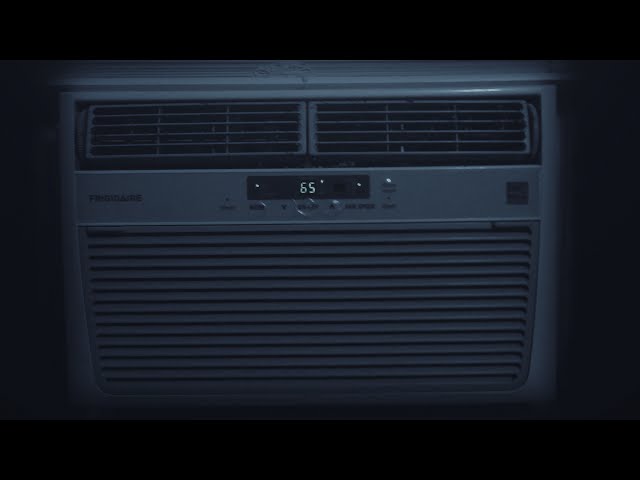
A buzzing sound coming from your air conditioner can be concerning. It usually indicates that something isn’t working quite right. This noise can range from a mild annoyance to a sign of a serious problem. Ignoring it could lead to more expensive repairs down the road or even complete system failure. Many things, like loose parts, electrical problems, or refrigerant issues, can cause the buzzing. Addressing the buzz promptly ensures your AC runs efficiently and prevents further damage. It’s especially important during hot weather when you rely on your AC to keep your home comfortable.
Common Causes of Air Conditioner Buzz
Here are some common reasons why your air conditioner might be buzzing:
- Loose Components: Screws, panels, or other parts can vibrate and cause a buzzing sound if they’re not securely fastened.
- Electrical Problems: Loose wiring or a failing capacitor can create an electrical buzz.
- Contactor Relay Issues: This switch controls power to the compressor and fan. A failing contactor can buzz.
- Refrigerant Leaks: Low refrigerant levels can cause the compressor to work harder, resulting in a buzzing sound.
- Dirty Condenser Coils: Dirt and debris buildup can restrict airflow, making the compressor work harder and potentially buzz.
- Fan Motor Problems: A failing fan motor, either in the indoor unit or outdoor unit, can cause a buzzing or humming sound.
- Debris in the Fan: Leaves, twigs, or other debris caught in the fan blades can cause vibration and a buzzing noise.
- Compressor Issues: The compressor is the heart of the AC. If it’s failing, it can produce a noticeable buzz.
- Frozen Evaporator Coil: Restricted airflow or low refrigerant can cause the evaporator coil inside the indoor unit to freeze, leading to a buzzing or humming sound.
- Improper Installation: If the AC unit wasn’t installed correctly, it might be prone to vibrations and buzzing noises.
Symptoms Checklist
Here are some indicators that can help you pinpoint the cause of the buzzing:
- Buzzing noise coming from the outdoor unit.
- Buzzing noise coming from the indoor unit.
- Buzzing noise only when the AC is running.
- Buzzing noise accompanied by reduced cooling.
- Buzzing noise louder than usual operation sounds.
- Circuit breaker tripping frequently when the AC is running.
- Visible ice or frost on the copper lines connected to the outdoor unit.
- Uneven cooling throughout the house.
- Higher than normal energy bills.
How to Fix Air Conditioner Buzz Step-by-Step Guide
- Safety First: Turn off the air conditioner at the thermostat and then turn off the breaker switch for the AC unit in your electrical panel. This prevents electrical shock.
- Inspect Outdoor Unit: Check for any visible damage, loose panels, or debris around the unit.
- Tighten Loose Screws: Use a screwdriver to tighten any loose screws you find on the outer casing of the unit.
- Clean the Condenser Coils: Use a garden hose (with a gentle spray nozzle) to clean the condenser coils. Spray from the inside out to remove dirt and debris.
- Remove Debris from Fan: Carefully remove any leaves, twigs, or other debris from the fan blades. Use gloves to protect your hands.
- Inspect Indoor Unit: Check the air filter in your indoor unit. A clogged air filter can restrict airflow and cause problems.
- Replace Air Filter: If the air filter is dirty, replace it with a new one. Ensure you use the correct filter size for your unit.
- Check for Ice: Look for any signs of ice buildup on the evaporator coils inside the indoor unit.
- Melt Ice (If Present): If you see ice, turn off the AC and turn on the fan to help melt the ice. Do not try to chip away the ice.
- Inspect Wiring (Visually): After turning off the power, visually inspect the wiring connections inside the outdoor unit (if you feel comfortable doing so). Look for any loose or corroded wires. Do NOT touch any wires directly unless you are a trained professional.
- Tighten Wiring Connections (If Loose): If you see any loose wiring connections, gently tighten them with a screwdriver. Again, proceed with caution.
- Reset the System: After making the necessary checks and adjustments, turn the breaker switch back on and turn the AC back on at the thermostat.
- Observe and Listen: Monitor the AC unit’s performance. Is the buzzing noise still present? Is the cooling improved?
- Run a Test Cycle: Let the AC run for at least 30 minutes to see if the buzzing returns or if any other issues arise.
Fix the Issue Without Buying Parts
Many buzzing issues can be resolved without immediately purchasing new parts:
- Reset the System: Sometimes, simply turning the AC off and back on can reset the system and resolve temporary glitches.
- Thorough Cleaning: Regularly cleaning the condenser coils and replacing the air filter can improve airflow and prevent the compressor from working too hard.
- Visual Inspection: Regularly inspect the unit for loose screws, debris, and any signs of damage.
- Proper Maintenance: Schedule annual maintenance checks with a qualified HVAC technician to ensure the system is running efficiently.
When Replacement Might Be Necessary
If the buzzing persists after trying the troubleshooting steps, it may indicate a more serious problem requiring professional attention or component replacement. Common parts that fail include the compressor, fan motor, and capacitor. Replacement costs can range from $100 to $1,000 or more, depending on the component and the complexity of the repair. A new compressor can be one of the most expensive parts to replace, with costs potentially reaching $800 to $2000 including labor.
Safety Warning
- Always turn off the power to the AC unit at the breaker before performing any inspections or repairs.
- Avoid working on electrical components if you are not comfortable or experienced.
- Do not use water to clean electrical parts.
- Wear gloves to protect your hands when handling components.
- If you are unsure about any step, consult a qualified HVAC technician.
Tools You May Need
- Screwdriver (Phillips and flathead)
- Wrench set
- Garden hose with spray nozzle
- Gloves
- Air filter (replacement)
- Vacuum cleaner (for cleaning debris)
FAQ
Here are some frequently asked questions about AC buzzing:
- Q: Why is my AC buzzing even after I cleaned it? A: The buzzing could be due to an electrical issue or a failing component that requires professional diagnosis.
- Q: Can low refrigerant cause a buzzing sound? A: Yes, low refrigerant can cause the compressor to work harder and produce a buzzing noise.
- Q: How often should I clean my AC condenser coils? A: It’s recommended to clean the condenser coils at least once a year, or more often if you live in a dusty environment.
- Q: Is a buzzing AC dangerous? A: A buzzing AC can indicate an electrical problem or failing component, which can be dangerous. It’s best to address the issue promptly.
Conclusion
Dealing with a buzzing air conditioner can be frustrating, but by following these steps, you can often identify and resolve the issue yourself. Remember to prioritize safety and consult a qualified HVAC technician if you’re unsure about any step or if the buzzing persists. Taking proactive steps can help maintain your AC unit’s efficiency and prevent costly repairs. Stay cool and comfortable!
Youtube Video:
Looking for more useful options?
Check out recommended resources that others find helpful.